
Skip to content
HomeYatra guideWhat Is Pind Daan? Meaning and Significance

Understanding an ancestral offering with clarity

What Is Pind Daan? Meaning and Significance

Pind Daan is a sacred act of remembrance in which a prepared food offering is dedicated to departed ancestors with prayer and sankalpa. This guide explains what the rite means, how it relates to Shraddha and Tarpan, why Gaya is deeply revered and which details must be understood for each family.

Updated 3 September 2026
Read the direct answer
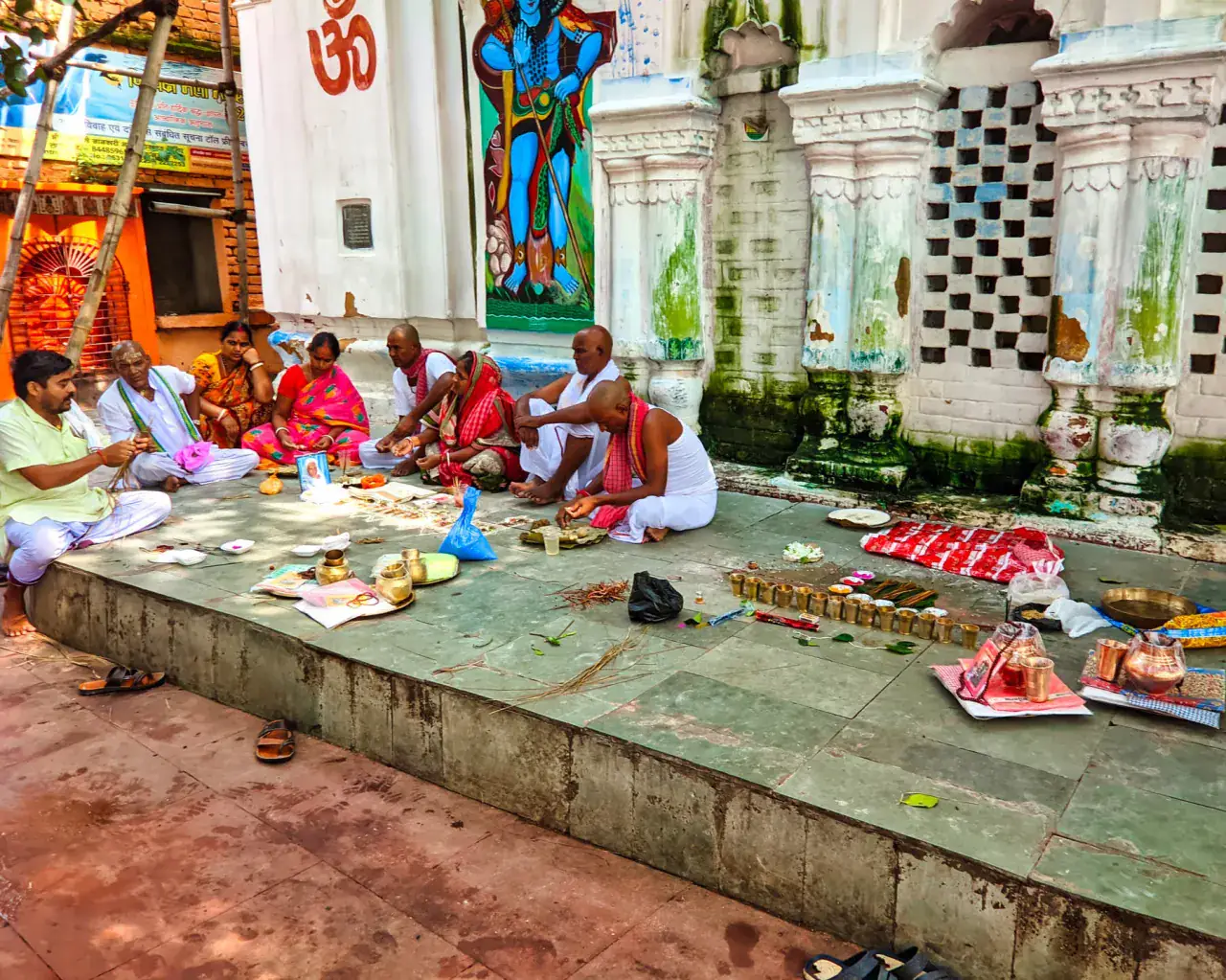
Pilgrims seated with a pandit for Pind Daan in Gaya
A Pind Daan gathering in Gaya. Remembrance and sankalpa are central to the rite; the precise form is guided according to the family and occasion.

Pind Daan is an ancestral rite in which prepared food offerings called pindas are offered for departed ancestors with remembrance, prayer and a stated sacred intention known as sankalpa. In this context, pinda is the offering and daan is the act of giving or dedicating it.

Pind Daan may form part of a wider Shraddha observance. Tarpan, the reverential offering of water for the ancestors, may accompany it. The terms are related but not interchangeable: Shraddha is the wider observance, Pind Daan is the offering of pindas, and Tarpan is the water offering.

At its heart, the rite brings memory, gratitude and sacred intention together. Within Hindu tradition, it is undertaken with prayer for the spiritual welfare of the departed and as an expression of ancestral duty. Its central spirit remains recognisable, while the performer, occasion, names, ingredients, pinda count, mantras, place and sequence may differ. A pandit guides those details after understanding the family.

The rite begins with remembrance

Families arrive at Pind Daan through different experiences. Some are passing through recent grief. Some are observing an annual remembrance or Pitru Paksha. Others are visiting a sacred ancestral place as part of a longer pilgrimage. In each case, the rite begins by remembering those who came before and approaching them with gratitude and sincerity.

Pind Daan is therefore more than the physical preparation of an offering. It gives the family a disciplined way to hold memory within prayer. The sacred texts speak of the spiritual importance of ancestral observance, yet that teaching should be received with faith and humility rather than treated as a transaction with a guaranteed result.

If years have passed, family records are incomplete, the person usually expected to perform the rite is unavailable, or another observance has already taken place, begin with what is honestly known. A thoughtful pandit can guide the family from there. Uncertainty deserves calm guidance, never fear or invented details.
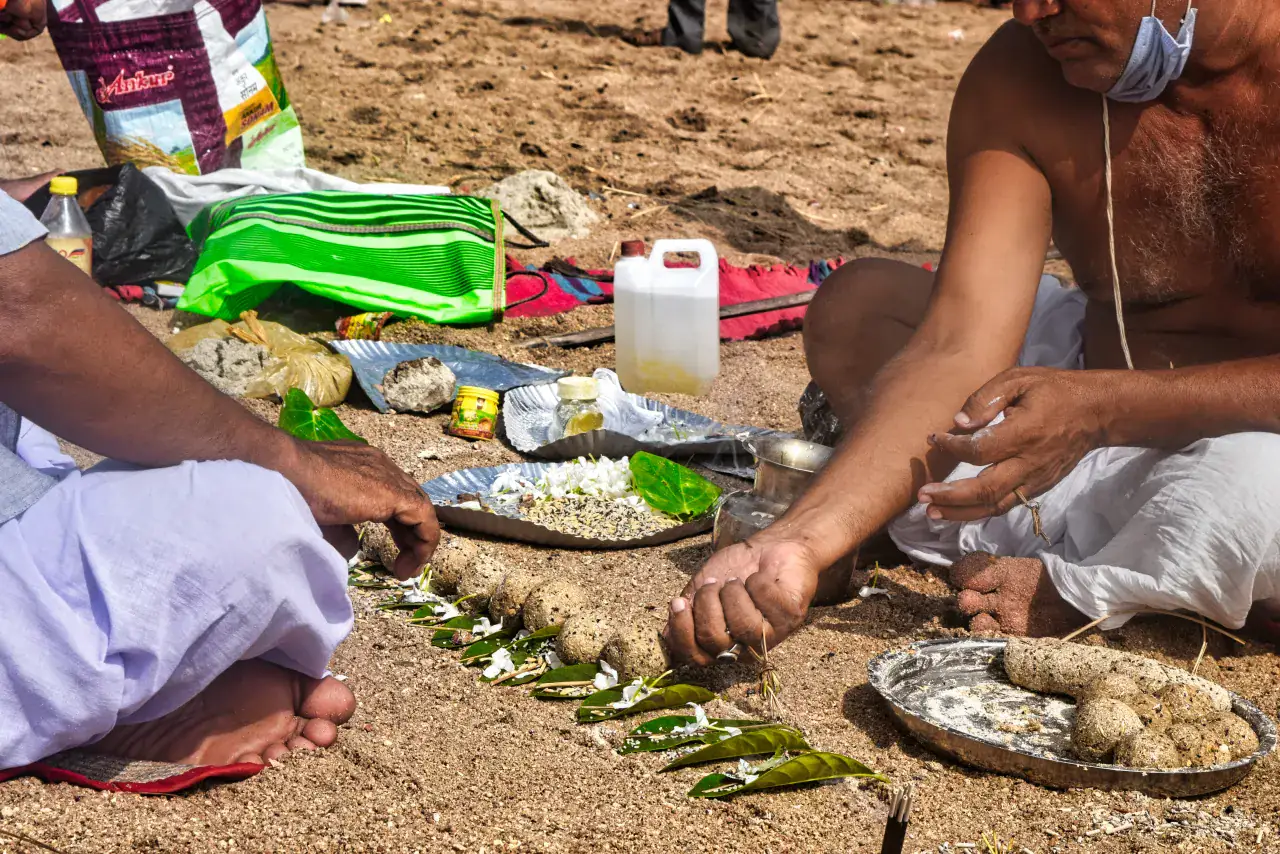
Hands arranging pinda offerings on leaves beside ritual vessels at the Phalgu in Gaya
Pindas being prepared beside the Phalgu in Gaya. Their ingredients, number and arrangement can differ with the occasion and family tradition.

Pinda, Pind Daan, Shraddha and Tarpan in plain language

DecisionMeaningPlace within the observance
PindaA prepared food offering, commonly formed as a rounded portion according to the tradition being followed.It is the visible offering. Its ingredients and number are not identical in every rite or family tradition.
Pind DaanThe reverential act of offering pindas for the ancestors with sankalpa and prayer.It may form part of a larger Shraddha. Preparing the food portions is only one part of the sacred act.
ShraddhaThe wider ancestral observance undertaken with shraddha—sincere faith, reverence and remembrance.Depending on the occasion and tradition, it may include invocation, pinda offerings, water offerings, feeding, giving and other acts.
TarpanA reverential water offering made for the ancestors.It is related to Pind Daan but is not another name for it. Its occasion and recitation may also vary.

Why the pinda matters

The pinda gives visible form to remembrance and prayer. A prescribed substance is prepared, gathered and offered with attention. The family is not simply placing food at a sacred site; intention, memory and the act of offering are being brought together.

This is why the pinda cannot be separated from sankalpa. Sankalpa is the clear sacred intention with which the observance begins: who is undertaking it, for whom it is being offered and why. Names, relationships, lineage details and the wording are handled according to the family's circumstances rather than filled in casually.

There is no single photograph or recipe that defines every Pind Daan. Two families may follow different ingredients, counts or arrangements while sharing the same reverential purpose. The meaning rests in the complete observance, not in the size or appearance of one pinda.

Why Pind Daan carries such sacred significance

The Dharmashastra traditions—the traditional writings on sacred duty—place offerings of food and water, remembrance, feeding and giving within the wider duty towards the ancestors. They preserve a recognisable devotional purpose while also recording differences of occasion, performer, material and ritual tradition. The details are therefore learned within the family's tradition rather than from one general formula.

The Vayu Purana's Gaya Mahatmya gives Gaya a profound place in the tradition of ancestral rites. The Agni Purana and Garuda Purana also preserve the sacred Gaya tradition, while the Narada Purana, Uttara Bhaga, honours Vishnupada and ancestral worship there. These traditions help explain why Gaya is approached as a principal Pitru Kshetra—a sacred field for remembering the ancestors.

The spiritual fruits described in sacred literature are teachings of faith. Their meaning cannot be measured or guaranteed by an organiser. The family's part is to approach the observance with sincerity, prayer and sound guidance.

Four parts of the observance to understand

DecisionWhat it contributesWhy the detail may differ
RemembranceThe family turns towards the departed with gratitude, respect and prayer.The ancestors remembered and the family's circumstances are personal.
SankalpaThe intention identifies the purpose, the person undertaking the rite and those for whom it is offered.Names, known gotra, relationships, earlier rites and the occasion can affect the wording.
OfferingThe pindas make the act of giving visible and are offered with the appropriate prayers.Ingredients, number, placement and mantras can depend on the form being followed.
Wider observanceTarpan, feeding, charity or other acts may accompany the pinda offering within Shraddha.Not every occasion includes every act; the sequence is understood within the family's tradition and circumstances.

Who is remembered through Pind Daan?

Pind Daan is offered in remembrance of departed ancestors or family members named through the sankalpa. According to the occasion, the remembrance may concern one recently departed person, named ancestors, several generations or relatives from more than one side of the family. The pandit guides how those relationships are expressed in the observance.

A family does not need to send every private detail in its first enquiry. Begin with the broad relationship, the reason for the observance and what is known. Names, tithi, gotra and the precise ritual wording can be discussed privately when the rite is being confirmed.

Pind Daan and the immersion of ashes, known as asthi visarjan, are different observances. Ashes are not required for every Pind Daan. If the family is also carrying ashes, mention this separately so the rites and travel arrangements can be understood correctly.

Who performs the rite depends on the family

The person who undertakes the sankalpa is often called the karta. Many traditions describe an order of preference for this role, but the right answer for a family depends on relationship, family tradition, the occasion and who is able to participate. A single general rule cannot describe every family circumstance.

If the person ordinarily expected to perform is unavailable, explain the relationship and circumstances before travel. The officiating pandit can consider whether another eligible family member may undertake the rite within the tradition being followed. Other relatives may still join the remembrance and prayer even when one person leads the sankalpa.

When is Pind Daan performed?

Pinda offerings appear in more than one ancestral context. They may belong to rites following a death, a later Shraddha, remembrance on the relevant lunar date or tithi, Pitru Paksha or a pilgrimage to a recognised sacred ancestral place. These occasions share a sacred concern for the ancestors, but each has its own context.

Pitru Paksha is a deeply important period for ancestral remembrance, yet Pind Daan is not confined to those days. The suitable date depends on why the rite is being considered, the tithi, earlier observances and the tradition followed by the family.

For a family undertaking the complete Kashi–Rameshwaram Yatra, it is wise to confirm the religious date before finalising the daily route. Transport, rest and the other rites can then be arranged around the sacred requirement, with enough time to proceed without haste.

Why Gaya holds a special place

Pind Daan is not performed only in Gaya. Depending on the occasion and family tradition, pinda offerings may arise in a home or local observance, beside a river, during Shraddha or at a recognised sacred pilgrimage place, or tirtha. Gaya nevertheless holds an exceptional place in the ancestral-rite tradition.

Vishnupad, the Phalgu and Akshayavata form part of Gaya's sacred geography. Their importance is preserved in the Puranic tradition, which is why families from many regions approach Gaya as a principal Pitru Kshetra. The exact places visited and the sequence followed depend on the family's sankalpa and the form of the rite.

A rite performed in one sacred place should not automatically be assumed to cancel, replace or duplicate every observance completed elsewhere. Tell the pandit what is already known to have been performed. The purpose of the proposed Gaya observance can then be understood in that light.
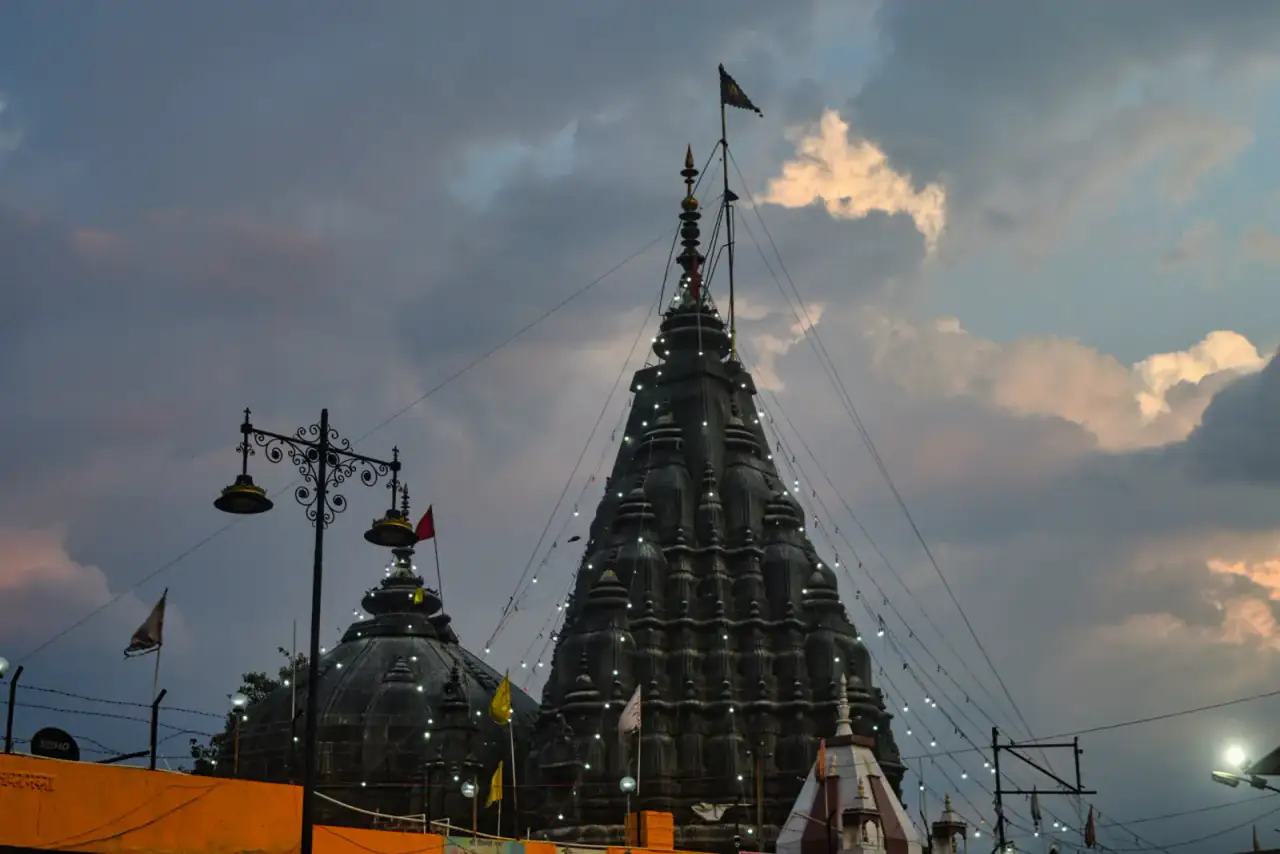
The dark stone spires of Vishnupad Temple in Gaya beneath an evening sky
Vishnupad stands at the heart of Gaya's sacred geography. A family's visit is planned according to its sankalpa and the observance being undertaken.

Where Pind Daan fits in the complete yatra

01

The opening

Before reaching Gaya, the family clarifies why it is considering the ancestral rite, who may undertake the sankalpa and what has already been performed at home, Rameshwaram, Prayagraj, Kashi or another place.

02

The northern portion

For families whose sankalpa includes it, Gaya becomes the principal Pitru Kshetra stage. The pandit guides the relationship among Vishnupad, the Phalgu, Akshayavata, the pinda offering and Tarpan for that family.

03

The return

The journey continues with the next confirmed part of the yatra. Time for bathing, changing, meals, rest and onward travel should be protected so the family is not hurried immediately after the observance.

A traveller may also visit Gaya for darshan without undertaking Pind Daan. The rite belongs in the itinerary because of the family's purpose, not simply because the route passes through the city.

Five things to share before planning the rite

You do not need to understand every ritual detail before the first conversation. A few simple facts help the pandit understand the family and guide the next step calmly.

  1. Purpose

    Explain why the family is considering Pind Daan

    Say whether the enquiry concerns rites after a recent bereavement, annual remembrance, Pitru Paksha, a tirtha observance or the ancestral stage of the complete yatra. This helps distinguish between related but different needs.

  2. Performer

    Describe the proposed karta and relationship

    Share who may undertake the rite, their relationship to the departed and whether the person ordinarily expected for the role is able to participate. Every family has its own circumstances, and they can be discussed respectfully.

  3. Family details

    Bring what is known without guessing what is not

    Prepare the relevant names, relationships, known family lineage or gotra, tithi and any family record that may help. If something is genuinely unknown, simply say so. The pandit can guide the appropriate way to proceed.

  4. Earlier rites

    Mention what has already been performed

    Mention any known funeral rites, Shraddha, Pind Daan, Tarpan or asthi visarjan already completed, including the place and performer where remembered. This helps the pandit understand whether the proposed observance has a distinct purpose.

  5. Journey needs

    Share the family's practical needs

    Tell us the likely dates, preferred language, ages, mobility or floor-seating limits, food or fasting questions and time available in Gaya. Once the religious requirements are understood, travel and comfort can be arranged around them.

Sensitive ancestral names do not need to be included in the first message. The initial enquiry can describe the relationship and question in broad terms.

What remains steady, what can differ and what to confirm

What stays the same

  • Approach the ancestors with shraddha, remembrance and respect.
  • Begin with an honest sankalpa and be clear about any detail the family does not know.
  • Allow the observance enough privacy and time to be undertaken without haste.

What your family can customise

  • The occasion, place, performer and ancestors included in the observance.
  • The number, substance and arrangement of pindas, the mantras and the ritual sequence.
  • Whether Tarpan, feeding, giving or another act accompanies the offering.
  • How other family members participate and how the rite fits the wider journey.

What we will help you decide

  • Who will lead the rite and whom the sankalpa will remember.
  • How known gotra, tithi, names and earlier rites should be handled.
  • The appropriate date, place, form of the rite and materials for this family.
  • The language, seating, fasting, mobility and travel support needed on the day.

Common questions about what Pind Daan means

These answers give a clear foundation for first-time readers. The exact date, performer, mantras, offerings and sequence are then understood according to the family and occasion.

What is Pind Daan?

Pind Daan is the sacred offering of prepared food portions called pindas for departed ancestors. It is undertaken with remembrance, prayer and sankalpa, often as part of a wider Shraddha observance.

What do the words pinda and daan mean?

In this context, pinda is the prepared offering, commonly formed as a rounded portion, and daan is the act of giving or dedicating it. The complete rite carries more meaning than the literal words because the offering is joined with remembrance, intention and prayer.

Is Pind Daan the same as Shraddha or Tarpan?

No. Shraddha is the wider ancestral observance undertaken with sincere faith. Pind Daan is the offering of pindas, while Tarpan is the reverential water offering. They may form part of the same observance, but the words are not interchangeable.

Why do families perform Pind Daan?

Families perform Pind Daan to remember and honour departed ancestors within a sacred observance. It gives form to gratitude, prayer and ancestral duty through sankalpa and offering. The precise reason and occasion may differ from one family to another.

Does Pind Daan guarantee moksha?

Sacred texts describe profound spiritual significance and fruits associated with ancestral rites. These teachings belong to faith; no travel organiser can guarantee a spiritual outcome. The rite is best approached with devotion, sincerity and appropriate guidance.

Who can perform Pind Daan?

The appropriate karta depends on the person's relationship to the departed, the family tradition, the occasion and who is able to participate. If the person ordinarily expected cannot undertake the rite, another eligible family member may be considered with the officiating pandit.

Can I perform Pind Daan for myself?

If you mean personally undertaking Pind Daan for departed ancestors, eligibility depends on your relationship and family tradition. If you mean arranging an offering for yourself while living, some textual traditions discuss exceptional forms, but this is not a general instruction to follow without personal guidance. Explain exactly what you mean to a knowledgeable pandit before making plans.

Is Pind Daan performed only in Gaya?

No. Pinda offerings belong to several ancestral-rite contexts and may be performed in other suitable settings according to tradition. Gaya is nevertheless honoured as a principal Pitru Kshetra and holds an exceptional place in many pilgrimage plans.

Can Pind Daan be performed only during Pitru Paksha?

Pitru Paksha is an important traditional period for ancestral remembrance, but it is not the only context in which pinda offerings arise. The suitable date depends on the purpose, tithi, earlier rites and family tradition, so it should be confirmed before travel is fixed.

Can Pind Daan be performed at home?

Some ancestral observances and pinda offerings are performed at home or in a local setting, while others are undertaken at a tirtha. Whether a home observance is appropriate for the family's present purpose should be confirmed with a pandit who understands its tradition.

Are ashes required for Pind Daan?

No, ashes are not required for every Pind Daan. Pind Daan and asthi visarjan are different observances. If the family is carrying ashes, mention this separately so each rite and its travel requirements can be planned correctly.

Must Pind Daan be repeated if another rite was already performed?

Repetition should not be assumed automatically. Explain what was performed, where, when and by whom. The pandit can then understand whether the proposed tirtha observance has a distinct purpose or whether a different course is appropriate.

Is there one fixed Pind Daan recipe or number of pindas?

No single list applies to every tradition and occasion. The ingredients, number, placement, accompanying water offerings and recitations can differ. Follow the list given for the family's confirmed observance rather than assuming that a generic bundle is complete.

What happens if Pind Daan has not been performed?

Hindu traditions regard ancestral remembrance as a sacred duty, but a general answer cannot judge one family's circumstances. If the rite was delayed or earlier details are uncertain, begin with what is known and speak with an appropriate pandit about what may be suitable now. Uncertainty should be met with guidance, not fear.

Tell us what your family needs to understand

Every family reaches this question with a different history. Tell us, in broad terms, why you are considering Pind Daan, who may undertake it, which earlier rites are complete and when you hope to travel. Share any language, mobility, seating or fasting needs as well. We will help identify what the pandit should confirm and place Gaya thoughtfully within the yatra. Private ancestral names can wait until the guided conversation.

Begin your enquiry