Skip to content
Kashi Rameshwaram Tour Packages Enquire
Home · Sacred cities · Gaya & Bodhgaya
GAYA & BODHGAYA · ANCESTRAL AND BUDDHIST SACRED TRADITIONS

Gaya, where families come to remember their ancestors with care.

Gaya holds a central place in the Hindu tradition of Pind Daan and Shraddha. Families come with different relationships, important lunar dates (tithis) and customs, so the pandit plans the rite and its places around the family’s prayerful purpose (sankalpa). Nearby Bodhgaya is a distinct Buddhist pilgrimage, visited separately and with equal respect.
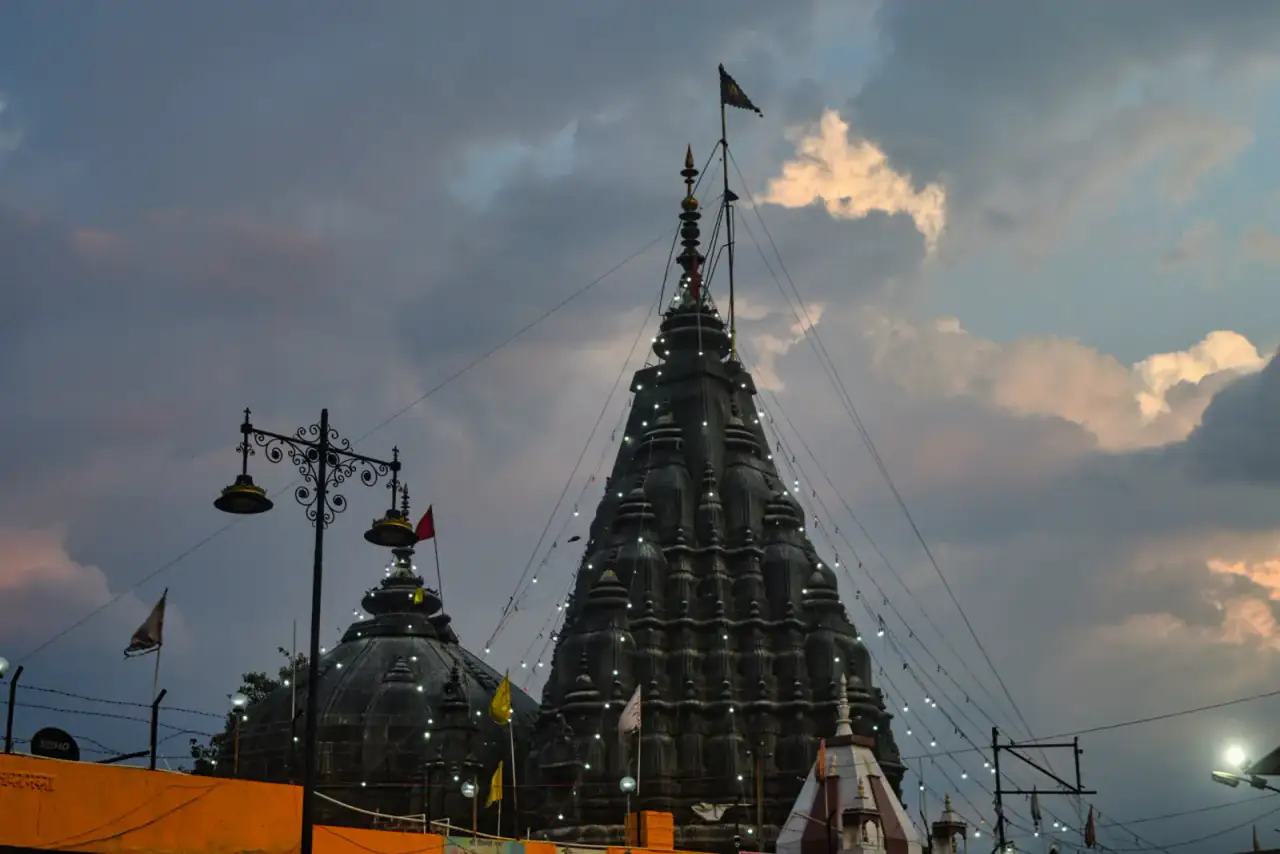
The stone exterior of Vishnupad Temple in Gaya
STAY
Often one night, adapted to the route, rite and family pace
SACRED FOCUS
Pind Daan or Shraddha when appropriate, with Vishnupad darshan
ARRIVAL
Usually planned by road from Kashi, with timing confirmed for your dates
COMFORT
Cooler months are gentler; Pitru Paksha needs early planning
The stone exterior of Vishnupad Temple in Gaya
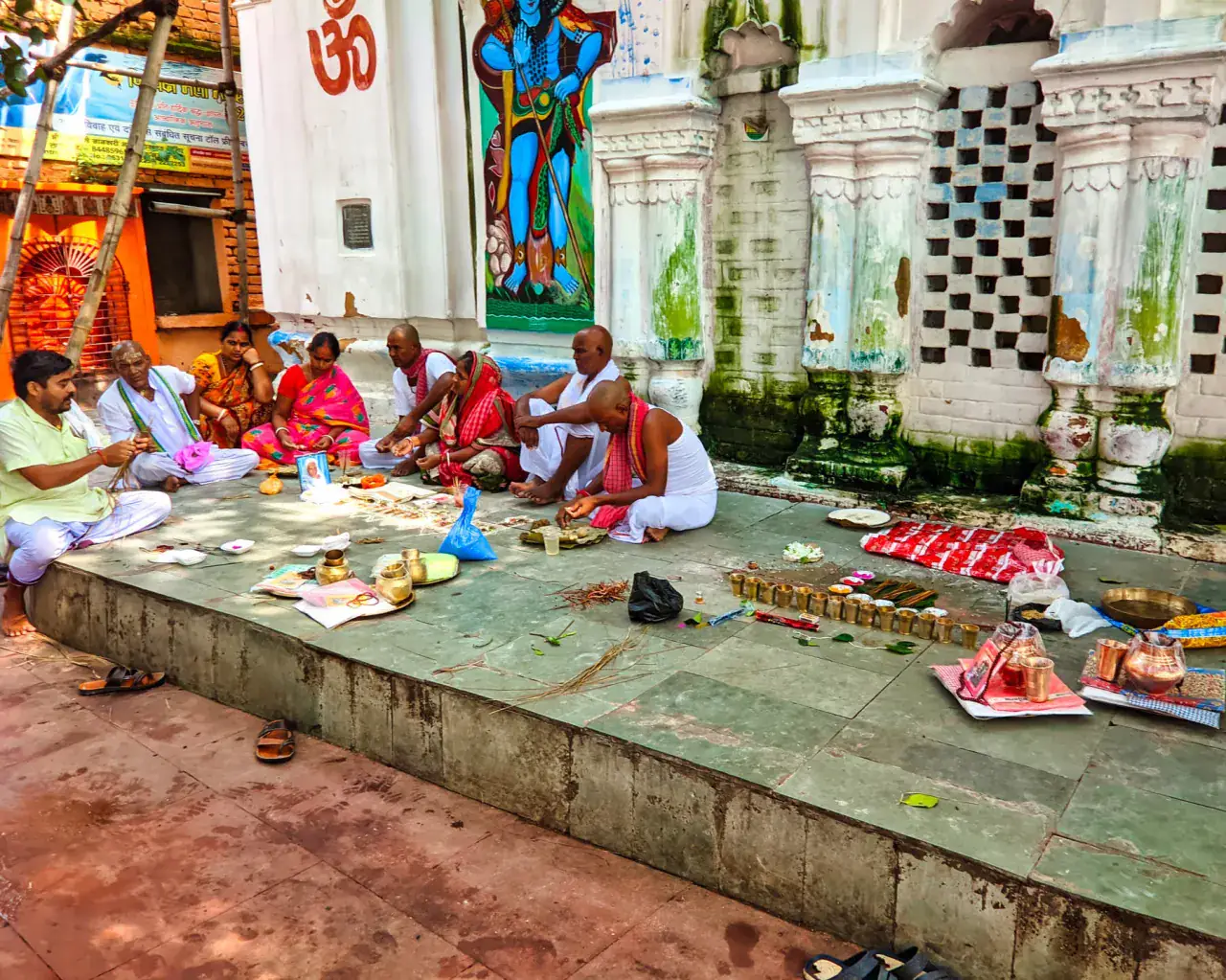
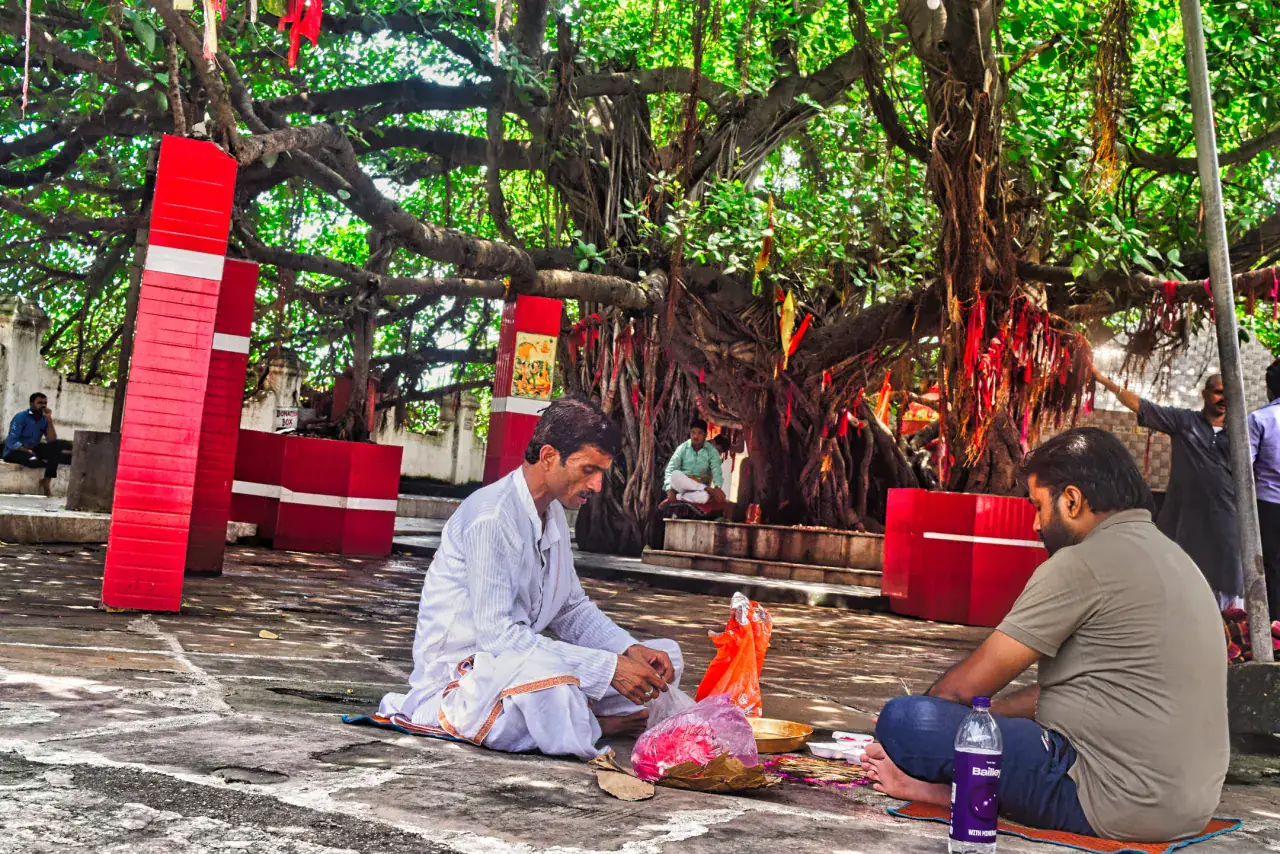
A ritual being performed beneath a sacred tree in Gaya
Mahabodhi Temple illuminated at dusk in Bodhgaya
GAYA WITHIN THE COMPLETE YATRA

Commonly reached from Kashi, with the route shaped around your family's purpose

SACRED MEANING AND GAYA TRADITION

Gaya is one of Hinduism's foremost sacred regions for ancestral offerings

The Gaya Mahatmya praises this sacred region (kshetra) for Pind Daan, Shraddha and remembrance of the ancestors (pitrs). Families approach Gaya to honour those who came before them and to fulfil a duty held within their own tradition; the right form depends on relationship, tithi, circumstance and pandit guidance.
Eṣṭavyā bahavaḥ putrā yadyeko'pi gayāṃ vrajet
This traditional verse expresses the old hope that at least one descendant would undertake sacred remembrance at Gaya. Families today approach that responsibility through their actual relationships, circumstances and tradition.
GAYA MAHATMYA
A ritual being performed beneath a sacred tree in Gaya
HOW PIND DAAN IN GAYA IS PLANNED

The sacred places and order are chosen for your family’s purpose

Gaya has many traditional places for ancestral offerings, known as vedis. Vishnupad, the Phalgu and Akshayavat are among the most prominent, while the places appropriate to each family depend on its prayerful purpose and tradition. The pandit explains the order and pace before the morning begins.

COMMONLY INCLUDED AS ADVISED
Vishnupad Temple
Vishnupad is central to many Gaya sankalpas. Darshan and any offering here are planned with the appropriate Gayawal pandit and the temple arrangements in force on the day.
Sankalpa with family names, relationships and gotra when known
Pinda, tarpana or other offerings only as advised for the chosen rite
Darshan of the revered Vishnupada, subject to current temple rules
RIVER TRADITION CONDITIONS VARY
The Phalgu
The Phalgu's sand, visible water and safe approach vary by season. On the day, the pandit selects a suitable and accessible place for the family's offering according to the river conditions and the tradition being followed.
Reach the safest appropriate bank, ghat or sand area for that day
Offer tarpana and pinda according to the family's sankalpa
Use biodegradable worship materials and leave the sacred place clean
CONCLUDING PLACE WHEN INCLUDED
Akshayavat
Akshayavat is a revered concluding place in many Gaya traditions. When it belongs in the family's rite, the final offerings and prayers are completed beneath or within the designated tree precinct.
Concluding pinda or prayer as directed by the pandit
Remembrance of the named ancestors within the sankalpa
Closing mantras and a clear explanation of what has been completed
Our rituals guide explains Pind Daan, Shraddha, gotra and family participation in simple language. The exact sankalpa and sequence are then confirmed with the Gaya pandit. Read the family rituals guide →
BODHGAYA · A DISTINCT SACRED TRADITION

Bodhgaya offers a separate pilgrimage of silence, learning and reverence

The Mahabodhi Temple marks the place revered for the Buddha's awakening and remains a living centre of global Buddhist practice. Families who wish to visit can include it when time and energy allow, as a separate pilgrimage after the Gaya rites. Quiet conduct, modest dress and respect for meditation come first.
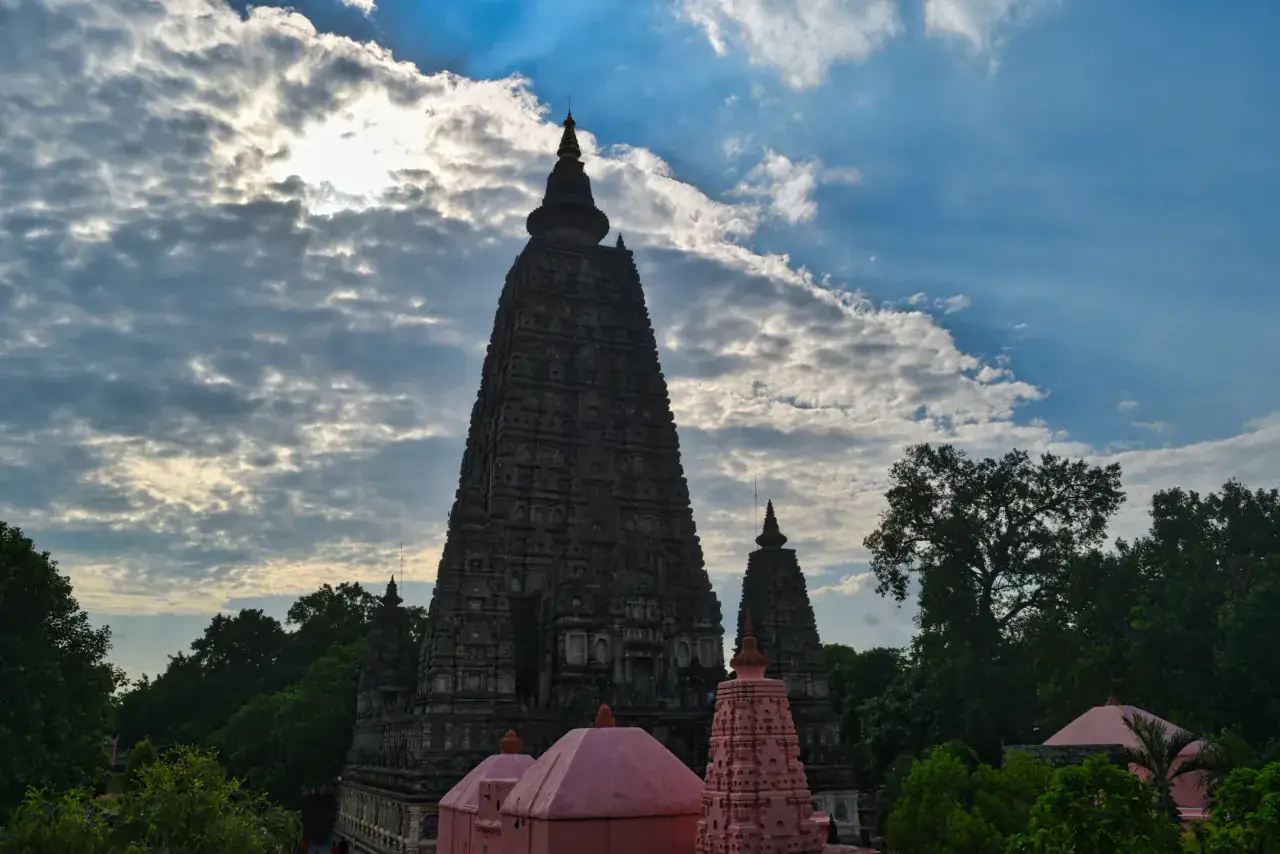
Mahabodhi Temple A UNESCO World Heritage Site and living place of Buddhist worship. Current entry, security, photography and opening arrangements are checked before visiting.
The Bodhi Tree precinct A place for quiet circumambulation, prayer and meditation. Visitors should keep voices low and never interrupt those in practice.
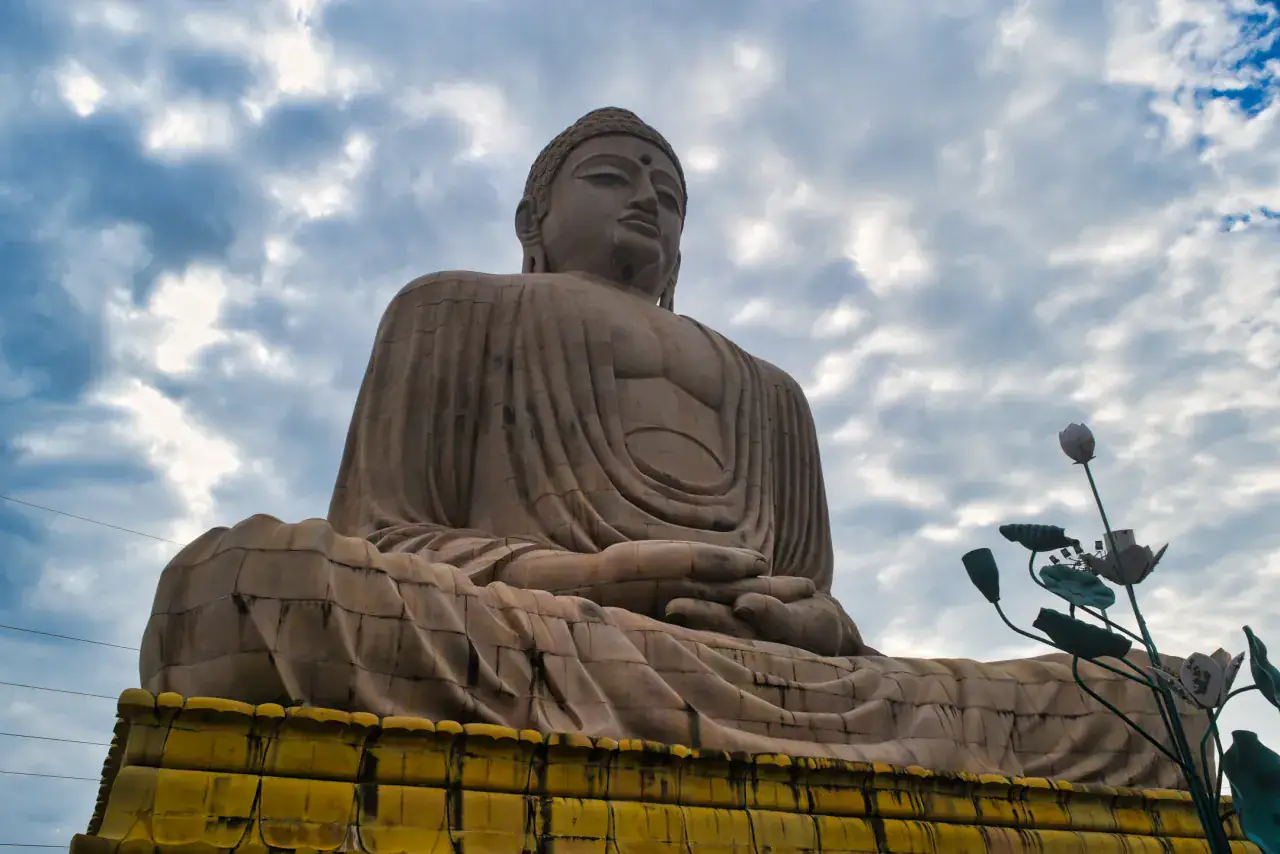
The Great Buddha A monumental seated Buddha in an open precinct. It may be added when time and walking comfort permit.
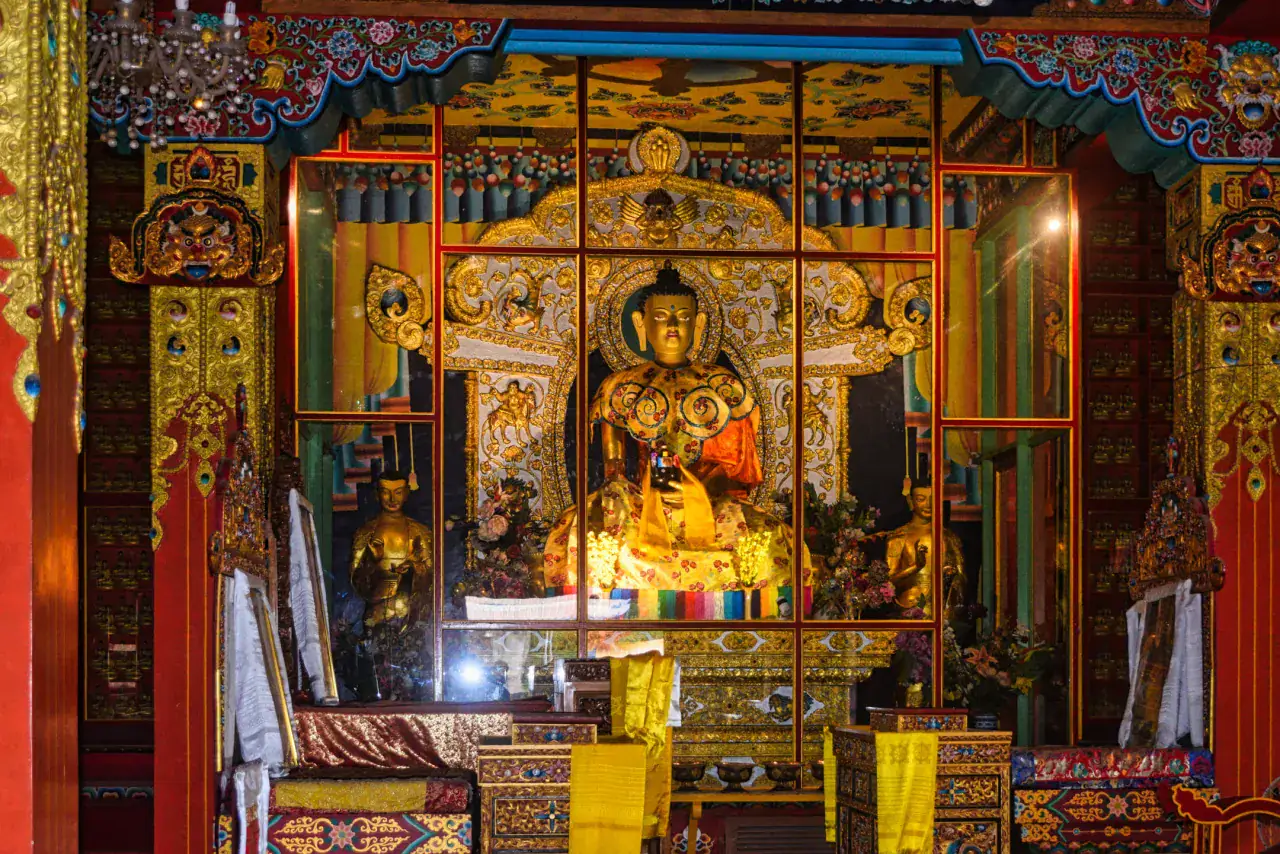
International monasteries Bodhgaya includes temples and monasteries maintained by several Buddhist traditions and countries. Choose one or two respectfully; opening hours vary.
When to visit Choose a quieter window after sufficient rest, or the following morning. Bodhgaya is optional and should not be squeezed into an exhausted schedule.
Mahabodhi Temple illuminated at dusk in Bodhgaya
ARRIVAL AND LOCAL MOVEMENT
From Kashi
Road travel is common within this circuit. Actual time depends on traffic, road works, weather and stops, so the departure is planned around the family's stamina.
Gaya and Bodhgaya
The two pilgrimage areas are connected by road, but transfer time varies. Staying in either location depends on the rite, hotel needs and onward route.
Air and rail options
Connections and schedules change. We compare them with the road route from Kashi before recommending the simplest complete journey.
Onward travel
The family may return toward Kashi, continue south or use another connection. A demanding rite should be followed by rest before a long transfer.
SACRED PLACES IN GAYA AND BODHGAYA

Two sacred traditions, understood separately and visited without rushing

Gaya's ancestral kshetra and Bodhgaya's Buddhist pilgrimage deserve their own attention. Your itinerary can include the places that serve the family's purpose, current access and available strength without turning either tradition into a checklist.
The stone exterior of Vishnupad Temple in Gaya
Vishnupad Temple ANCESTRAL TRADITION
The black-stone temple houses the imprint revered as Vishnupada. Darshan and any Pind Daan here are coordinated according to the family's sankalpa, priest guidance and current temple rules.
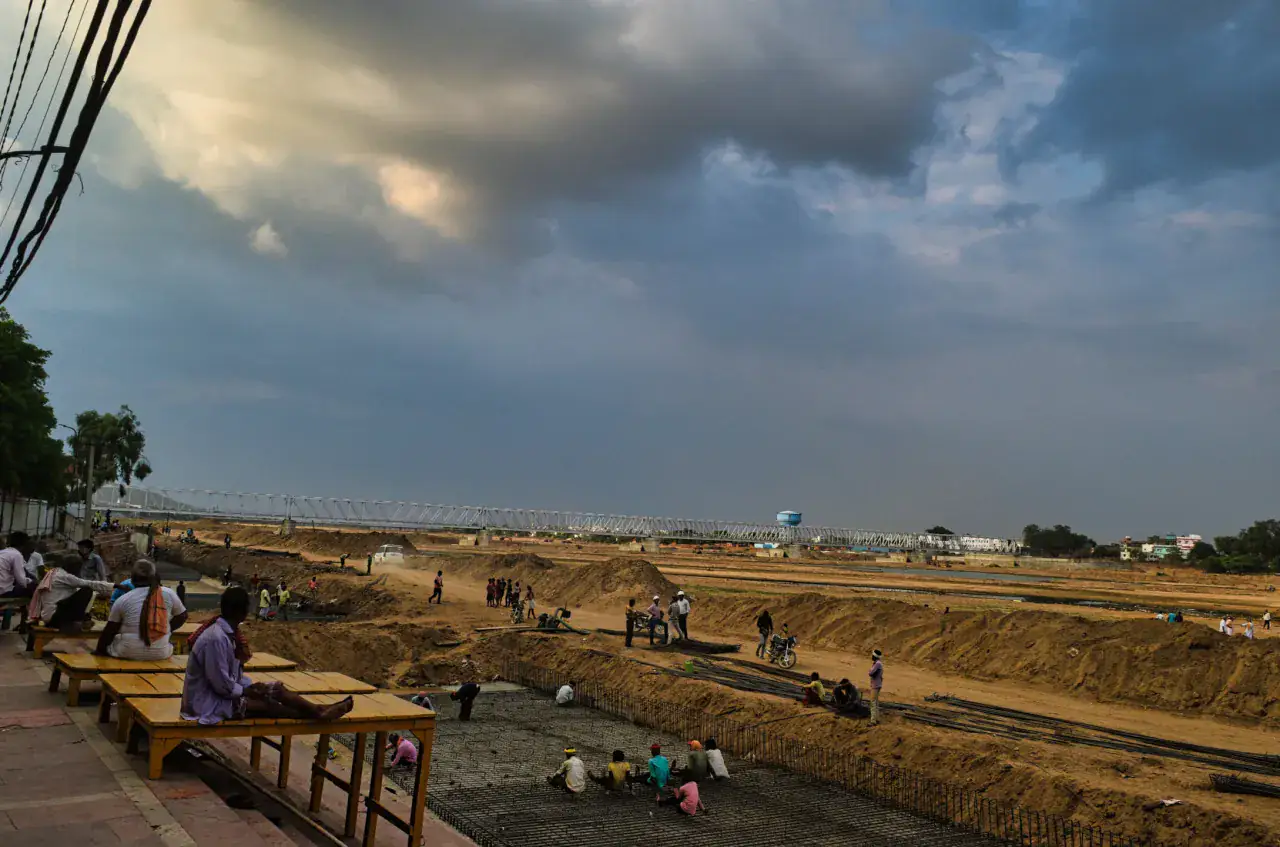
The broad, dry riverbed of the Phalgu at Gaya
The Phalgu RIVER TRADITION
A strongly seasonal river whose water, sand and accessible banks change through the year. The actual place and form of an offering are selected safely on the day.
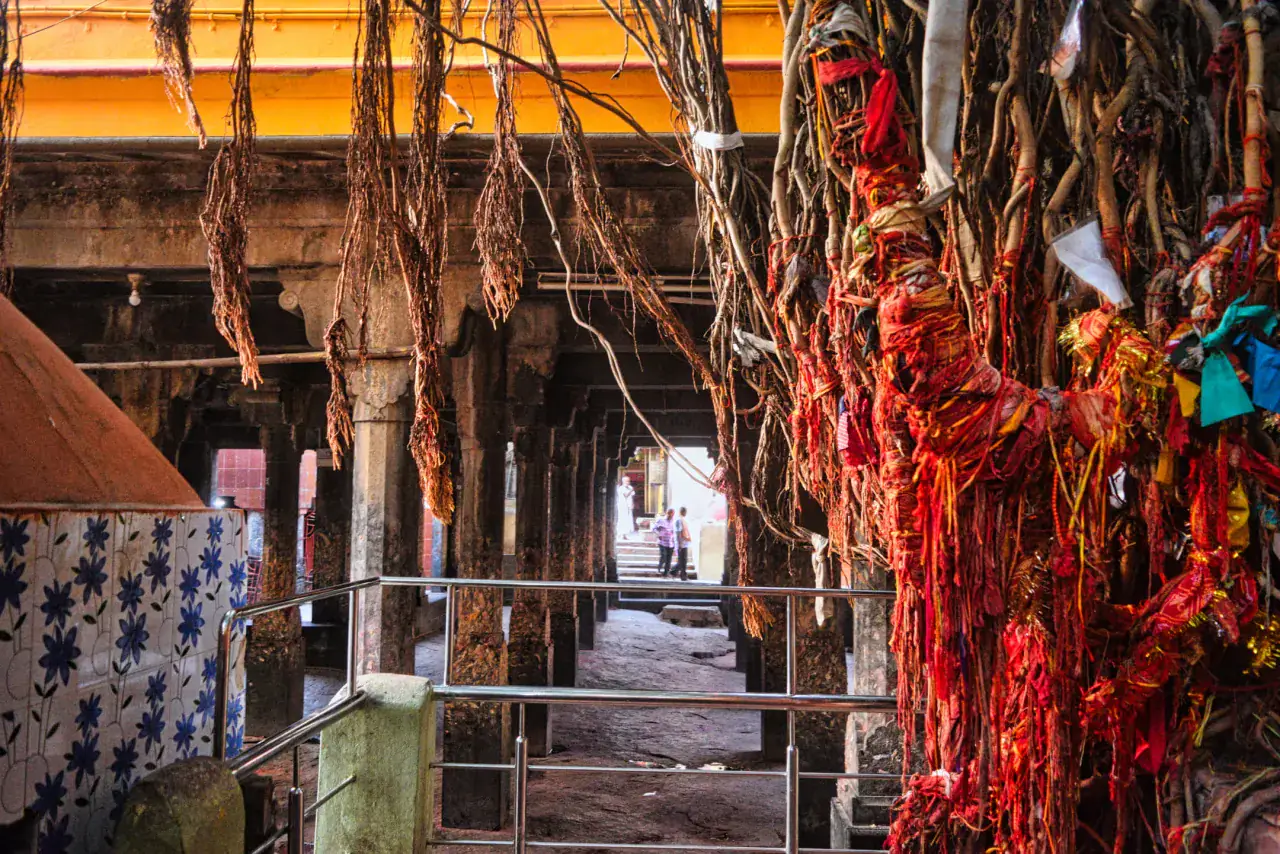
The sacred Akshaywat banyan at Gaya
Akshayavat CONCLUDING PLACE
The revered banyan is included in many Gaya sequences as a place of concluding offerings and prayer. Its place in the day is guided by the family's sankalpa and the tradition being followed.
A family performing Pind Daan near the Phalgu in Gaya
Traditional Gaya vedis RITUAL LANDSCAPE
Gaya contains many traditional places for ancestral offerings beyond a short three-stop list. The Gayawal pandit identifies only those relevant to the family's sankalpa and available time.
Mahabodhi Temple illuminated at dusk in Bodhgaya
Mahabodhi Temple BUDDHIST PILGRIMAGE
The temple complex marks the place revered for the Buddha's awakening and is a UNESCO World Heritage Site. Visit as a living sacred place, keeping silence around prayer and meditation.
The Great Buddha statue in Bodhgaya
The Great Buddha BODHGAYA
A monumental seated Buddha in an open precinct. It can be included as a calm stop when the family has sufficient time and walking comfort.
Ornate interior of the Royal Bhutan Monastery in Bodhgaya
International monasteries BODHGAYA
Bodhgaya brings together several Buddhist traditions in distinct temples and monasteries. Choose one or two with attention to opening hours and the community's customs.
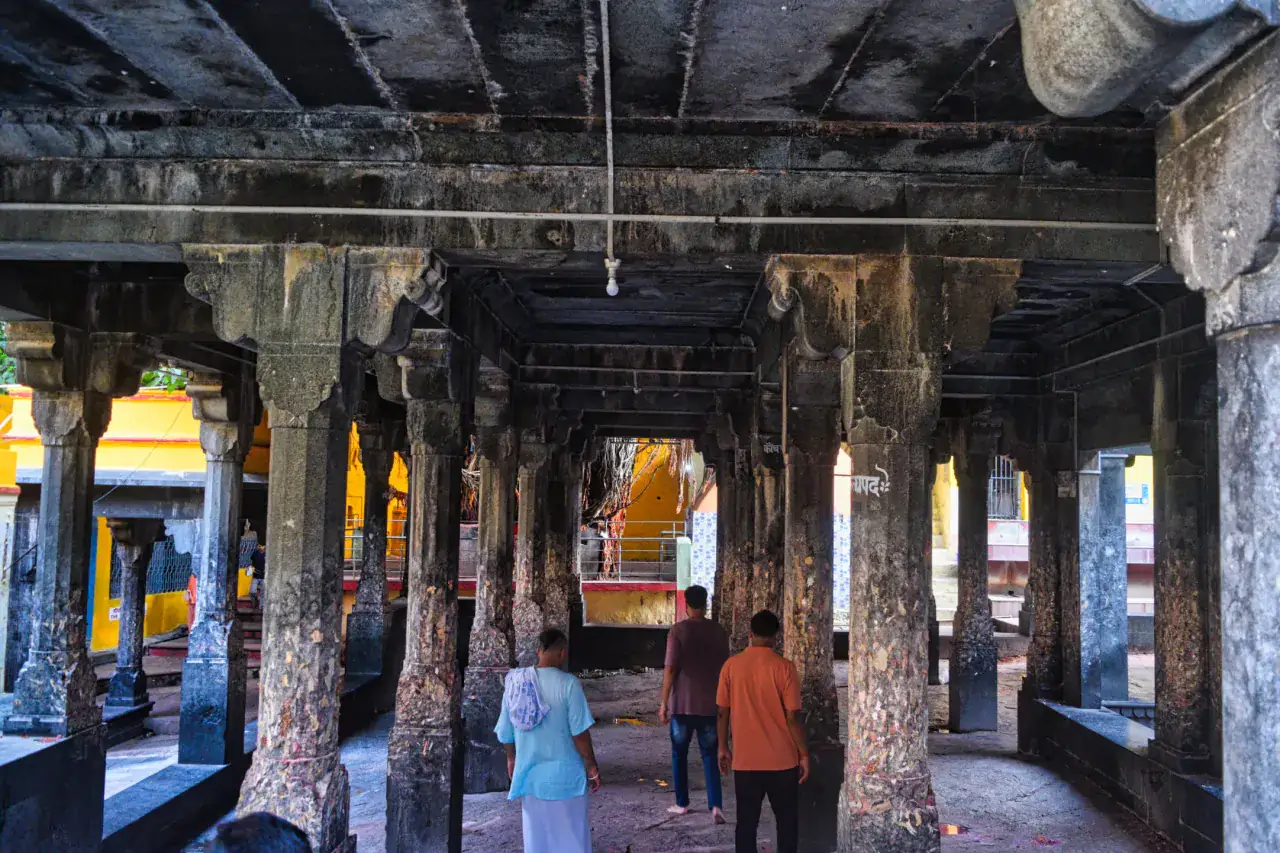
Stone pillars inside Vishnupad Temple in Gaya
Vishnupad Temple precinct PRACTICAL DARSHAN
The old stone interior, security rules, footwear arrangements and possible queues require unhurried coordination. Current access and photography rules are checked before arrival.
MEALS DURING THE YATRA

Simple Bihari food, with fasting adapted to health and tradition

Some families fast until the rite is complete; others must eat or take medicine earlier. The pandit and the family's doctor should guide that choice. Afterward, a clean, gentle vegetarian meal is usually wiser than a heavy celebration.

Litti chokha A well-known Bihari meal of baked wheat-and-sattu litti with vegetable chokha. Choose a clean, trusted kitchen and a portion suitable after fasting.
Sattu Roasted gram flour used in drinks and food. It may suit some travellers after a rite, provided the water source and personal digestion are considered.
Dal, rice and vegetables A simple warm meal can be gentle after a long morning. Spice, oil, onion, garlic and medical preferences should be stated in advance.
Tilkut A regional sesame sweet that may be enjoyed or carried home. Check sugar, nut and sesame restrictions within the family.
Bodhgaya's kitchens The pilgrimage town offers several Asian and Indian vegetarian choices. Select by hygiene, dietary needs and the family's energy after travel.
Meal arrangements are tailored to the family
SACRED CALENDAR AND SEASONS

Choose Gaya dates by tithi, weather and your family's strength

Pitru Paksha holds special importance in Gaya, but Pind Daan is not limited to one fortnight and the correct tithi depends on the family's purpose. Sacred dates, heat, crowds, priest availability and elder comfort should all be considered together.

Pitru Paksha LUNAR DATES
A deeply significant period for ancestral rites in Gaya. The civil dates change each year, crowds are substantial and priest coordination should begin early.
Cooler months OCT–FEB
Generally gentler for walking and outdoor observances, though winter fog and Buddhist pilgrimage events can affect travel and stays.
Buddha Purnima LUNAR DATE
A major sacred day in Bodhgaya. Expect additional pilgrims and confirm the year's date, entry arrangements and accommodation well in advance.
Buddhist prayer gatherings DATES VARY
Bodhgaya hosts important gatherings across traditions. Dates, venues and access change, and accommodation may become limited.
Temple and local festivals DATES VARY
Local sacred dates can alter queues, roads and opening arrangements. The current calendar is checked before fixing the day's sequence.
Hotter months APR–JUN
Heat can make exposed walking and fasting unsuitable for some travellers. Use an early, shorter or more seated form when advised.
MONTH BY MONTH
MONTH
WEATHER
CROWDS
WHAT IT MAY MEAN FOR YOUR VISIT
January
Cool mornings; fog possible
Variable
Often comfortable for Gaya, while Bodhgaya events and winter fog may affect stays and road timing.
February
Cool to mild
Moderate
Generally pleasant, but the family's tithi and current pilgrimage calendar remain more important than a generic recommendation.
March
Mild to warm
Moderate
Start earlier as daytime heat rises, especially when walking or an outdoor vedi is included.
April
Hot, especially midday
Quiet
An early, shaded and shorter sequence is usually gentler; fasting and heat-sensitive medicines need attention.
May
Very hot
Quiet
Review the necessity, timing and length carefully for elders, children and anyone with cardiac or heat-related risk.
June
Hot and increasingly humid
Quiet
Pre-monsoon heat and storms call for a conservative, flexible plan with rest and safe hydration.
July
Monsoon; humid
Variable
Visible water and safe river access may change. Follow local directions and keep another suitable sacred place in the plan.
August
Monsoon rain; humid
Variable
River, road and walking conditions depend on recent rain. The ritual location must remain flexible.
September
Warm; rain may continue
Variable
Pitru Paksha may fall partly in this month. Verify lunar dates and prepare for substantial pilgrimage crowds.
October
Generally clearer and milder
Variable
Pitru Paksha may extend into October in some years; otherwise conditions are often more comfortable.
November
Cooler mornings; pleasant days
Moderate
Often suitable for families, with Bodhgaya pilgrimage activity beginning to increase.
December
Cold mornings; fog possible
Busy
Leave generous extra time for road and train journeys, and reserve Bodhgaya stays early around major gatherings.
HEALTH AND SAFETY

A dignified rite begins with care for the body as well as the sankalpa

Heat, dust, walking, fasting and emotional strain can make a Gaya morning demanding. The plan should be shortened, seated, shaded or paused whenever health requires; no ritual purpose is served by ignoring the body.

Heat and exposed walking
Some Gaya vedis and approaches have limited shade. Start early when appropriate, carry safe water and shorten the sequence if heat becomes difficult.
Fasting and medicine
Fasting customs vary. Diabetes, pregnancy, frailty and medicines that require food take priority; discuss the safe form with a doctor and the pandit before the rite.
Seating and mobility
Ask in advance about walking, stairs, floor seating and vehicle approach. Chairs, pauses or fewer sites may be planned where the location permits.
Dust and airways
Dry sand and unpaved approaches can aggravate asthma or allergies. Carry prescribed inhalers or medicines and use a suitable face covering if needed.
Pitru Paksha crowds
Agree on meeting points, phone contact and a walking limit before entering crowded areas. Keep elders and children with a known family member.
Medical preparation
Keep identification, prescriptions, insurance details and emergency contacts easy to reach. We note nearby medical help for your actual travel dates.
Water and food
Use safe drinking water and a clean food source. Do not extend fasting or delay medicine merely to preserve a package timetable.
Emotional pace
Ancestral remembrance can be deeply personal. Allow silence, questions and rest without assuming how any family member should feel.
PRACTICAL PLANNING

What your family should know before a Gaya rite

Start time
The pandit, temple arrangements, season and family's stamina determine the start. A free evening beforehand is often helpful but not a universal rule.
Dress
Choose modest traditional clothing that permits comfortable sitting and walking. Bring simple footwear and a clean layer for after the observance.
Head shaving
This belongs to some family and regional traditions, not all. Confirm the custom with an appropriate pandit before deciding or arranging it.
Your Gayawal pandit
Know the pandit’s name, language, meeting place, rite, included worship materials and agreed charges before arrival. Any optional personal offering (dakshina) should also be explained clearly.
Photography
Temple and site rules vary. Ask the pandit and family before recording a rite, and never photograph another family's private remembrance without permission.
After the rite
Plan food, washing and rest before any long transfer. Visit Bodhgaya only when the family has enough time and energy to do so respectfully.
PLAN GAYA WITHIN YOUR YATRA

Tell us what guidance your family needs in Gaya.

Share the family purpose, approximate dates and any health or mobility needs. We will help place Gaya and Bodhgaya appropriately within a clear, custom itinerary.

The Gaya sequence is shaped around your family's purpose, sankalpa and the vedis appropriate to it.
The pandit's name, language, inclusions and charges are clarified before arrival.
Bodhgaya is kept optional and paced as a distinct sacred visit.
01 PURPOSE
02 JOURNEY
03 CONTACT
What kind of guidance does your family need?
Choose the closest option. It is perfectly fine to be unsure; the details can be discussed with the Gaya pandit.
THE LAST LEG

From Gaya, the journey continues according to the circuit your family has chosen.

Some families return south with sacred Ganga water for an agreed abhisheka at Rameshwaram; others follow a different route. We arrange the onward journey around the observances actually included for your family.

Thoughtful planning for Gaya within your complete family yatra.