
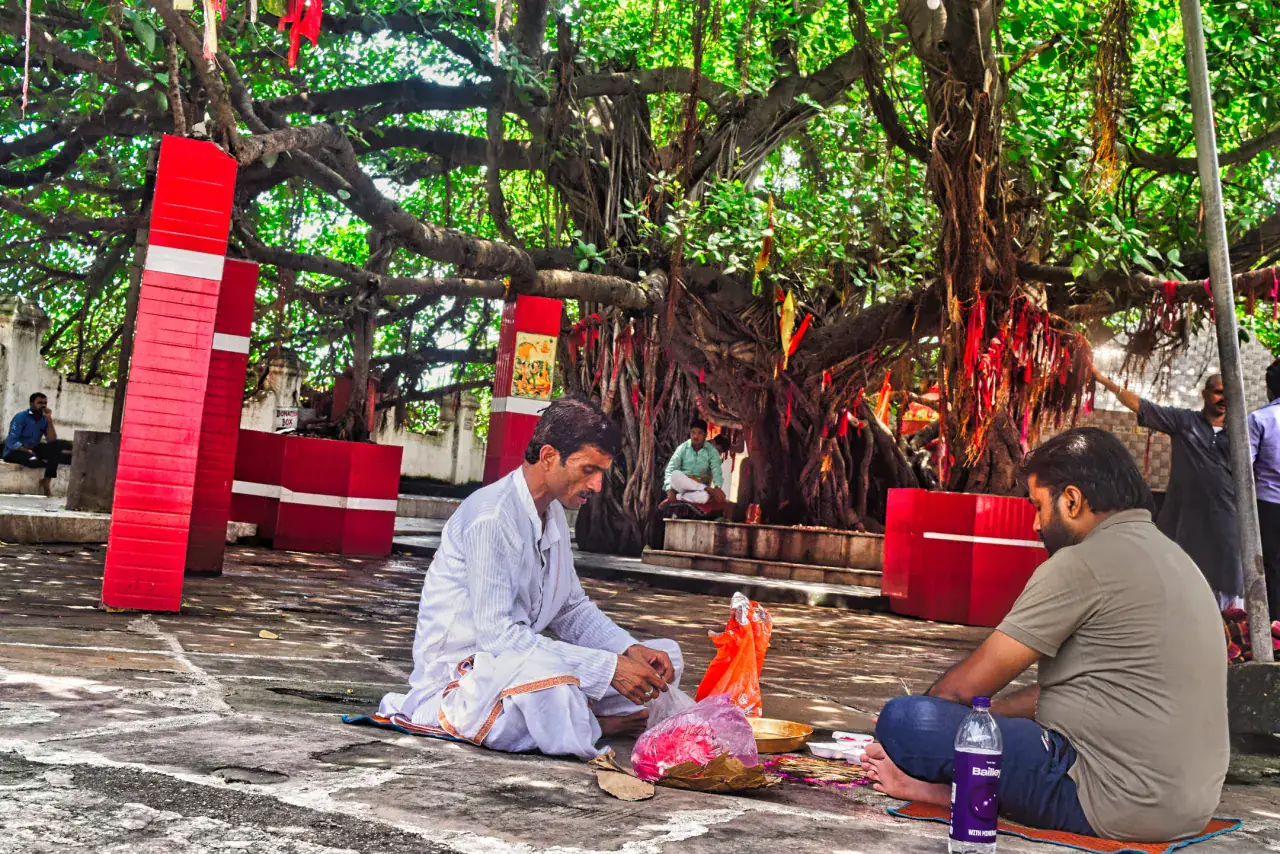
Many families reach the planning stage for Pind Daan or Shraddha and realise that no one can confidently name the gotra. This is especially common when the elder who preserved the family details has passed away, the family has lived away from its ancestral place, or rituals have not been performed in the household for many years.
Please do not feel ashamed, and do not choose a gotra simply to fill a blank. Begin with a careful family search. If the answer still remains uncertain, tell the officiating pandit honestly. The sankalpa can then be guided according to the family's known details, circumstances and ritual tradition.
What gotra means in a rite
A gotra is a lineage designation traditionally connected with an ancient rishi. In many Hindu traditions it follows the paternal line, but its ritual use should not be reduced to a surname, caste, community or ancestral village. Families sharing a surname may have different gotras, and families with different surnames may share one.
During a sankalpa—the prayerful statement made at the beginning of a rite—the pandit identifies the person undertaking the observance, its purpose, the relevant family line and other details required by that tradition. Gotra is one part of this identification. It is important, but it should never be invented merely because the family feels under pressure.
You may also hear the word pravara, which refers to the rishi lineage invoked in certain ritual settings. Gotra and pravara are related, but they are not interchangeable. If the family knows one and not the other, share exactly that; the pandit will know what further information is required.
Which gotra should a family member use?
For many rites, the paternal family gotra is the first line examined. Questions can arise for a married woman, an adopted child, a family with more than one regional tradition, someone performing for maternal relatives, or a person whose legal and ritual family histories differ.
These situations deserve a personal answer from the appropriate pandit. Traditions differ on whether a woman's birth-family or married-family gotra is invoked in a particular rite, and the purpose of the prayerful resolve (sankalpa) also matters. Adoption and less common family situations are handled with the same care.
Tell the pandit who is performing, for whom the rite is intended and how each person is related. That relationship is often more useful than beginning with a gotra that may be wrong.
Where to look for the family gotra
Search patiently, but keep a distinction between a remembered answer and a verified one. The following sources are usually worth checking:
Write down where each answer came from. If two relatives give different gotras, do not settle the matter by majority vote; share both versions with the appropriate pandit.
- 01
Elder relatives on the relevant family line
Ask more than one elder if possible, and request the name as they remember it rather than suggesting an answer to them.
- 02
The family purohit
A priest who has conducted weddings, upanayana, Shraddha or another family samskara may have the gotra in a notebook, receipt, register or remembered ritual connection.
- 03
Janma patrika or kundali
Older birth charts sometimes record gotra or related lineage details. Check the original writing carefully, since handwritten Sanskrit names can be misread.
- 04
Previous sankalpa or ceremony records
Notes from a wedding, thread ceremony, house ritual, funeral observance or earlier pilgrimage may preserve the wording actually used.
- 05
Ancestral village, kuladevata or temple connection
A long-associated priest or temple family may recognise the lineage, though any answer still needs confirmation for the present rite.
- 06
Pilgrimage genealogy registers
Family records maintained by traditional pandas at places such as Haridwar, Kashi or Gaya may help when an earlier visit can be traced. Availability, identification and access vary, so this is a possibility rather than a promise.
What should not be used as proof
A surname, caste name, home state or internet search cannot reliably establish one person's gotra. The same community may include several gotras, and spellings can vary across languages and generations. A familiar-sounding sage’s name is not enough to identify your lineage.
Avoid changing one uncertain syllable to match the closest name found online. Also avoid borrowing the gotra of a spouse, neighbour or family friend without ritual guidance. A transparent “we do not know” gives the pandit a sound starting point; a confident but incorrect answer makes the sankalpa harder to prepare responsibly.
When the gotra remains unknown
After a sincere search, some families still cannot recover the gotra. The exact sankalpa wording used in that situation varies by sampradaya, place and ritual method. An officiating pandit may use an accepted formulation for an unknown or unestablished lineage, while identifying the performer, the departed person, their relationship and the known family details.
The suitable sankalpa wording belongs to the rite and the tradition in which it will be performed. Regional answers may differ, so receive the appropriate formulation from the officiating pandit rather than adopting one generic replacement gotra.
An unknown gotra does not erase the names, relationships, remembrance or shraddha that bring the family to the rite. It does mean the question should be disclosed before the ritual morning so the pandit has time to understand it calmly.
Information to share with the pandit
Provide what is genuinely known and mark what is uncertain. A useful family note can include:
Do not send irreplaceable originals with another traveller. Clear photographs or scans are usually better for an initial discussion, and sensitive family documents should be shared only through the agreed enquiry channel.
Performer
The full name of the person undertaking the rite.
Person remembered
The name of the person or ancestors for whom the rite is intended.
Relationship
How the performer is related to the departed person.
Known ancestry
Names of the father, grandfather or earlier paternal ancestors, where known.
Family origin
Ancestral village, district, language and community tradition.
Sacred connections
Kuladevata, family temple or family purohit connection.
Possible gotra
Any remembered spelling, together with the name of the person who supplied it.
Available records
Photographs or scans of a kundali, old sankalpa, ceremony note or register entry.
Family circumstances
Adoption, marriage, maternal-line or other circumstances that may affect the formulation.
Before the yatra is finalised
Raise the gotra question while the family's rites and itinerary are being planned. Ask which family details the pandit needs, which gotra or substitute formulation will be used and whether the same understanding applies across the rites included at Gaya, Kashi, Prayagraj or Rameshwaram.
This small preparation removes anxiety from the sacred morning. The family can then approach the sankalpa with honesty and attention, knowing that uncertainty was not hidden and nothing was selected merely for convenience.