
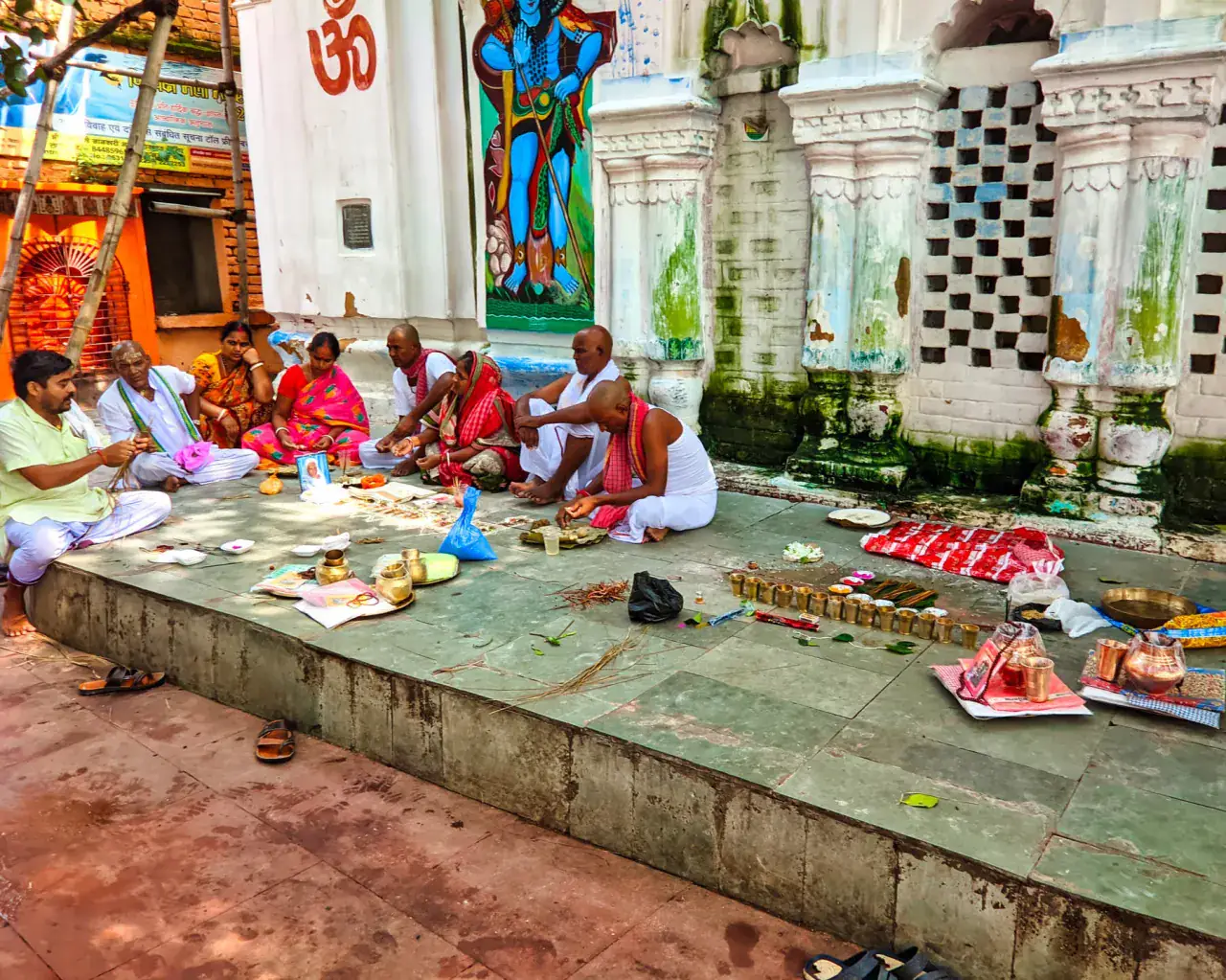
A sacred date can come from several places: an annual tithi observed by the family, a Pitru Paksha intention, advice from a family purohit, or a travel window that is still open. The right planning approach depends on which of these carries the greatest importance for the family.
There is no need to set the sacred calendar against comfort. If a tithi is fixed, crowds, weather and travel margins can be planned around it. If the date is flexible, the family can compare quieter conditions, seasonal availability and the purpose of each rite before choosing.
What a tithi means for planning
A tithi is a lunar day determined by the relationship of the sun and moon. It does not remain tied to one Gregorian date each year, and it can begin or end at different civil times. Regional panchang traditions and the place where the observance is performed may also matter.
If the family observes an annual tithi, take the known details to its purohit or the appropriate officiating pandit. Confirm the relevant day for the year and place of performance before final travel arrangements are made rather than relying on a generic calendar date.
If the tithi is unknown, say so calmly. Names, relationships, the civil date of death if known and any previous family observance still help the pandit advise the suitable way forward. Uncertainty should lead to a question, not an invented date.
What Pitru Paksha means
Pitru Paksha is the annual lunar fortnight devoted to remembrance and offerings for the ancestors. Its Gregorian dates change each year. Many families regard it as an especially meaningful time for Shraddham, Tarpana or Pind Daan, and Gaya receives a large concentration of pilgrims during this period.
Its sacred importance does not mean that every ancestral rite must be performed only within this fortnight. Families also observe annual tithis and undertake Gaya rites at other suitable times according to tradition and pandit guidance. Pitru Paksha is therefore a meaningful choice, not a reason to dismiss every other window.
Families choosing it should expect stronger demand for stays and transport, busier approaches to Vishnupad and the Phalgu, less private space and a ritual day that requires clear meeting arrangements. The rite remains worthy; the practical atmosphere is simply different from a quieter period.
The three calendars to consider together
The plan is strongest when one calendar does not silently override the other two. State which date is sacredly fixed, then make the travel and access decisions visible around it.
- 01
The family calendar
Annual tithi, Pitru Paksha preference, family custom and any date advised by the family purohit or officiating pandit.
- 02
The sacred-place calendar
Temple festivals, Mela periods, local opening arrangements, river conditions and days on which access or crowds may be different.
- 03
The travel calendar
International leave, school dates, flight schedules, weather, hotel availability, seasonal quotation and the comfort of everyone travelling.
A seasonal crowd and comfort guide
Read these as broad planning tendencies. Weather patterns, festival dates, transport and crowds must still be checked for the chosen year.
Pitru Paksha period
Deeply meaningful to many families and particularly busy in Gaya. Begin planning earlier, keep meeting instructions clear and allow more time around the principal sites.
Cooler months outside major gatherings
Often comfortable for elders and long travel days, with stronger seasonal demand for rooms and vehicles. A quiet ritual morning should be requested, not assumed.
Warmer months
Can offer lighter general tourism but require careful decisions about heat, hydration, fasting, walking and outdoor rites, especially for elders or anyone with a medical condition.
Monsoon period
Can be beautiful and less busy, while rain, road movement, boats and the location of riverbank observances may change. Keep the day's access plan flexible.
Major temple or Mela periods
Kashi, Rameshwaram and Prayagraj have their own sacred calendars. A crowd in one city may affect only part of the route, so check each destination rather than labelling the whole yatra busy.
Prayagraj during Magh Mela or a Kumbh gathering
Triveni Sangam has a calendar of its own. The annual Magh Mela and the larger Kumbh-related gatherings can change traffic, security arrangements, boat access, walking distances, meeting points and availability in Prayagraj. Exact dates and access conditions should be confirmed for the relevant year.
Some families value being present during a great gathering; others prefer a quieter confluence visit centred on the Setu sand and returning Ganga water. Neither preference needs to be judged. Tell the planner whether the gathering is part of the family's intention so Prayagraj can be planned with it, or on dates away from its busiest period.
Comfort, elders and sacred timing
When a tithi or Pitru Paksha date is fixed, comfort comes from preparation rather than changing the sacred intention. Consider an additional arrival margin, a slower previous day, nearby accommodation where available, vehicle access, seating, hydration, food or fasting guidance and a clear plan if family members are separated in a crowd.
Share mobility and health needs early and seek personal medical advice where appropriate. The local team can check practical support and participation alternatives, while the pandit confirms what is suitable within the rite. No family member should feel that physical strain is the measure of devotion.
If the family date is flexible
Begin by naming the family's priority. For some it is the devotional atmosphere of Pitru Paksha. For others it is an unhurried Gaya morning, cooler weather, school leave, easier international travel or a gentler pace for parents. Once that priority is known, suitable windows can be compared honestly.
Ask for a current seasonal quotation and written inclusions for the actual dates being considered. A rate, crowd description or access plan from another month should not be treated as permanent. The best window is the one in which sacred purpose, family readiness and practical care are brought into agreement.
Whether the date is fixed or open, send the enquiry with the year, known tithi or preference, rites being considered, proposed performer, departure city and the needs of the travelling family. That is enough to begin a careful plan.