Skip to content
Kashi Rameshwaram Tour Packages Enquire
Home · Sacred cities · Kashi
NORTHERN SACRED CITY · SHIVA'S KASHI · THE GANGA

Kashi brings darshan, the Ganga and ancestral remembrance into one sacred stay.

Kashi is revered as Shiva's Avimukta kshetra, or sacred field, beside the north-flowing Ganga. Your stay may include Kashi Vishwanath darshan, Ganga observances, ancestral rites and onward travel to Prayagraj or Gaya. The number of nights and order of visits are shaped around your prayerful purpose (sankalpa), current access and the family’s strength.

A priest raises a multi-tiered lamp during Ganga Aarti in Varanasi
ROLE IN THE YATRA
Northern tirtha and principal base
POSSIBLE OBSERVANCES
Ganga snanam, Tarpana, Shraddha or Pind Daan as advised
PRINCIPAL DARSHAN
Kashi Vishwanath, with chosen sacred places
PLANNING BASIS
Sacred dates, access, weather and family pace
A priest raises a multi-tiered lamp during Ganga Aarti in Varanasi
Boats and the Varanasi ghats in the soft light of dawn
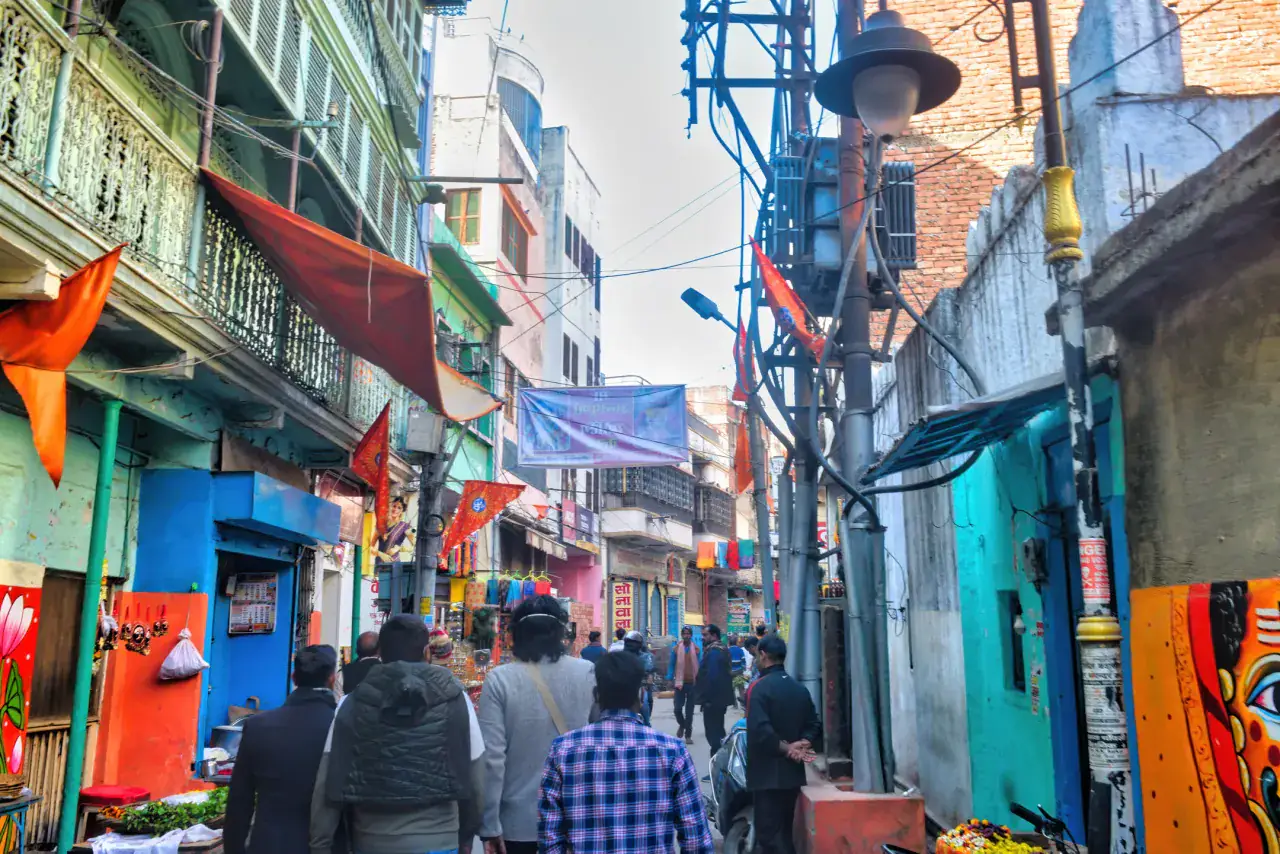
A narrow old-city lane in Varanasi
KASHI WITHIN THE YATRA

A principal northern base within a route arranged for your family

SACRED TRADITION

Kashi, Shiva's Avimukta kshetra beside the north-flowing Ganga

The Kashi Khanda of the Skanda Purana praises Kashi as Avimukta, the sacred place never forsaken by Shiva. For a pilgrim, the city is therefore more than a background to ritual: sacred bathing in the Ganga (snanam), darshan, remembrance of ancestors and prayer are approached within a living Shaiva tradition. The precise observance depends on your family’s purpose and tradition (sampradaya).
Avimukta — the place never forsaken
The Kashi Khanda repeatedly remembers the city as Avimukta and praises its sacred relationship with Shiva and the Ganga. This gives Kashi its distinctive place in pilgrimage without requiring every family to undertake the same rite or make the same theological claim.
KASHI KHANDA · SKANDA PURANA
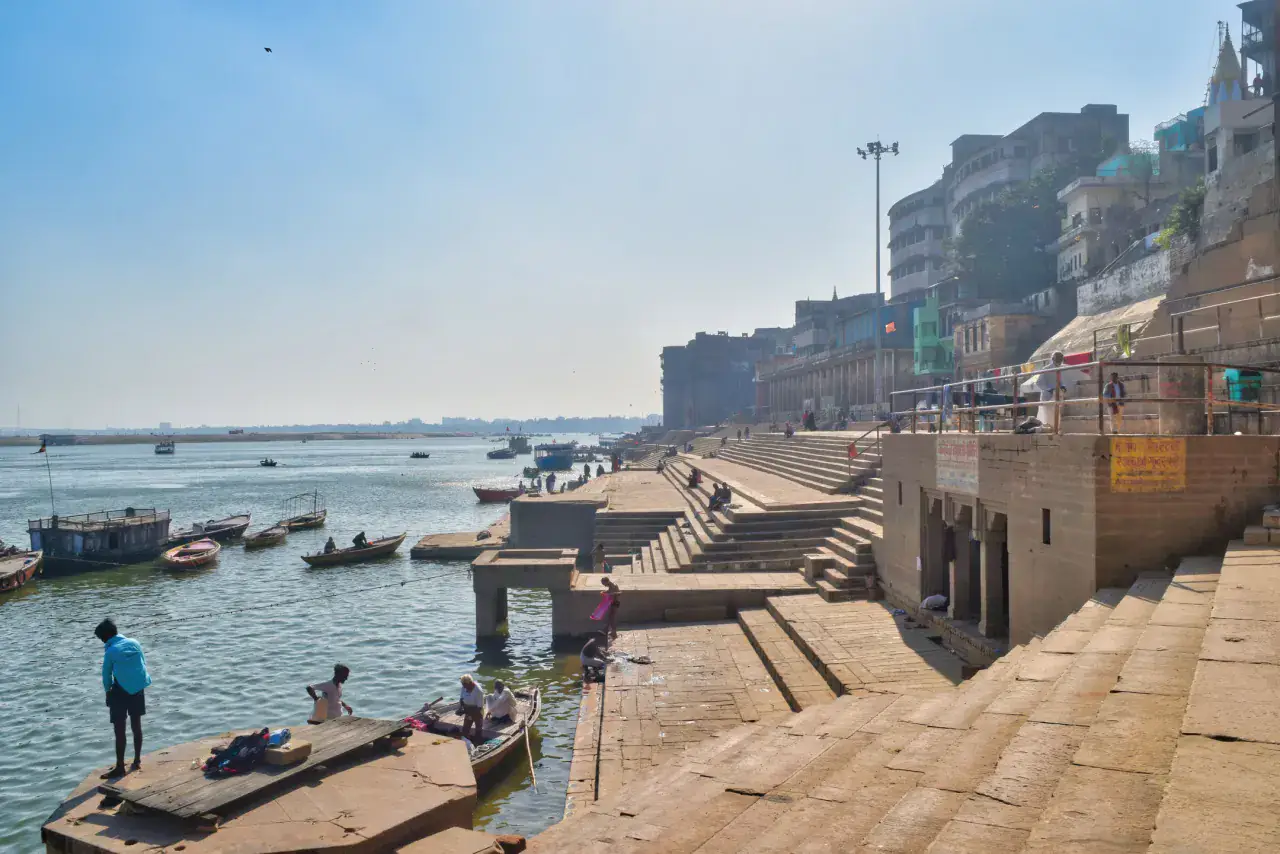
Temples rising above the riverfront ghats in Varanasi
ARRIVAL AND FIRST EVENING

Arrive with enough margin to rest before Kashi asks anything of you

Families reach Kashi by different routes, and road traffic, flight delays or a long rail journey can make the first day tiring. We protect rest before any early observance. If the family is comfortable, one gentle introduction to the river or old city may be added after arrival.
Rest and settle in FIRST PRIORITY
A calm arrival, light meal and clear briefing are often more valuable than adding a crowded evening programme.
A gentle ghat orientation IF COMFORTABLE
A short, guided introduction may be arranged at an accessible riverfront point chosen for the day's conditions.
Ganga Aarti WHEN SUITABLE
Viewing position, crowd controls and any permitted boat arrangement are checked for the date. If the arrival day has been tiring, we leave the Aarti for another evening.
Old-city introduction WITH A GUIDE
A brief lane walk can help the family understand future temple access, but shopping is kept separate from sacred planning.
Sunrise on the river ANOTHER MORNING
A licensed boat may be considered when river, weather and local-authority conditions permit and the family is comfortable boarding.
Pilgrims on the ghat steps beside the Ganga in Varanasi
OBSERVANCES BESIDE THE GANGA

The Kashi morning is confirmed for your family before it is timed

Depending on the family’s prayerful purpose and tradition, the morning may include sacred bathing (snanam), a water offering (Tarpana), Shraddha, Pind Daan or another observance. The pandit first asks who will lead the rite, the known family lineage (gotra), ancestral names, earlier rites and the worship materials needed.

01 Sankalpa and permitted snanam
The pandit states the place, purpose and your family’s situation before the advised form of sacred bathing or ablution. Full immersion is not assumed where health, river conditions or family practice call for an alternative.
02 Tarpana or Tirtha Shraddha
Water and other offerings may be made in remembrance of the ancestors according to the family's tradition. The performer, names, gotra and materials are reviewed before the rite.
03 Pind Daan, when advised
Pinda offerings may form part of the Kashi observance. After reviewing the sankalpa and earlier rites, the pandit advises whether Gaya, Prayagraj or another place also belongs in the circuit.
04 Dampati Puja, when chosen
Some families include an observance honouring a married couple. It is distinct from ancestral rites and is added only when it belongs to the family's intended tradition.
THE GHATS

Five ghats a pilgrim may encounter, each approached differently

Kashi's riverfront contains many sacred and historic ghats. Not every ghat belongs in every itinerary. The choice is guided by the family's purpose, current river level, access, mobility and the dignity owed to worshippers and mourning families.
A priest raises a multi-tiered lamp during Ganga Aarti in Varanasi
Dashashwamedh Ghat AARTI
A principal setting for the evening Ganga Aarti. The viewing plan depends on current crowd controls, river conditions and permitted boat operations; a respectful land-based view may be more suitable for some families.
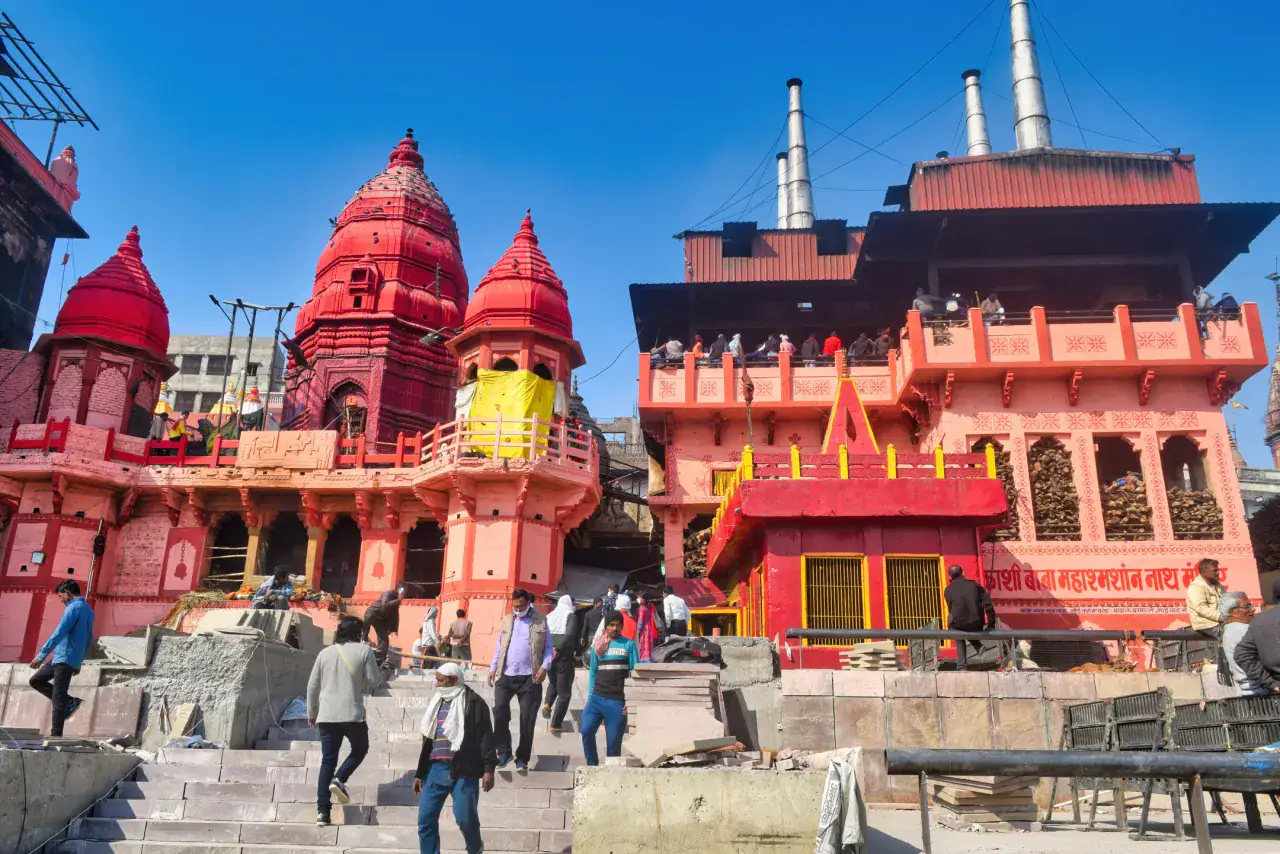
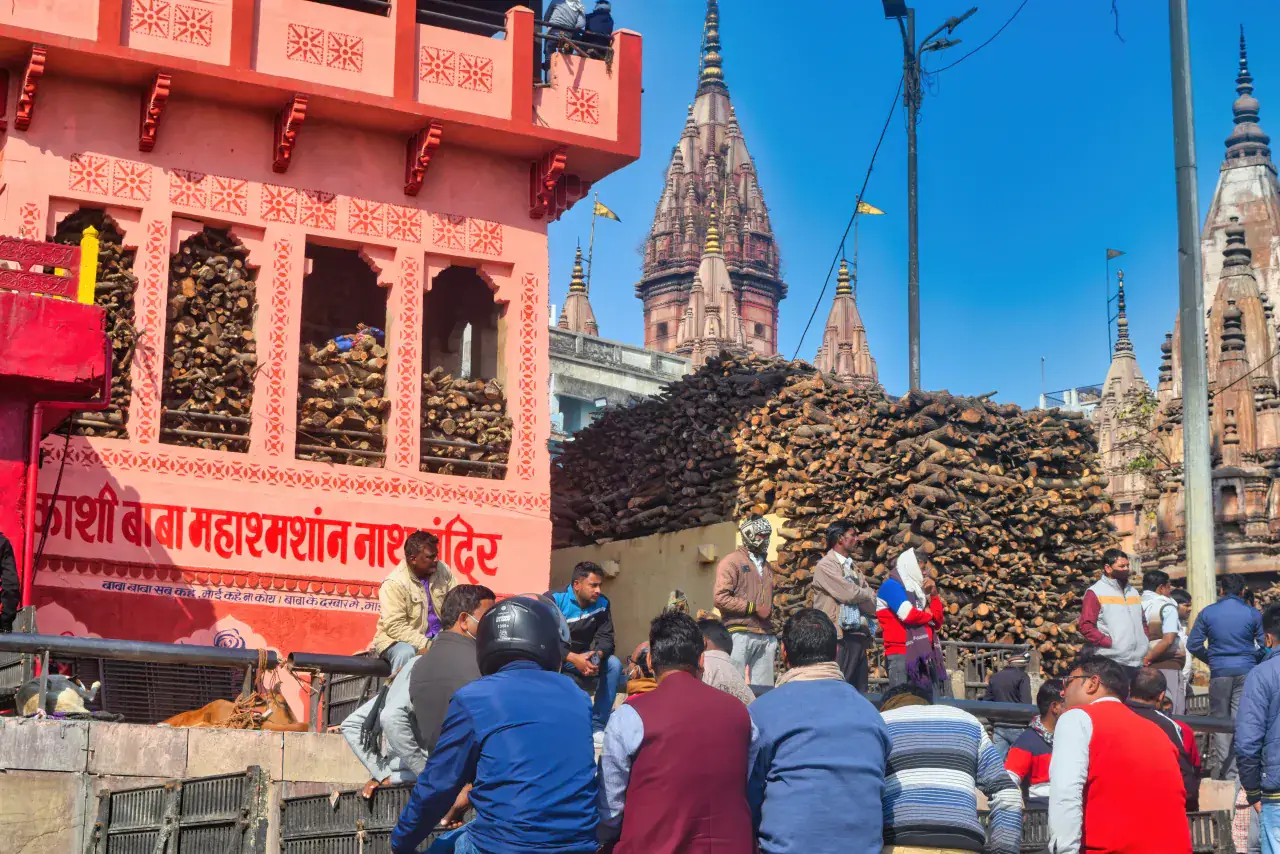
Temple structures and stacked ceremonial wood at Manikarnika Ghat in Varanasi
Manikarnika Ghat WITH REVERENCE
An active cremation ghat of profound importance in Kashi. Families who wish to understand this tradition may pass quietly with local guidance; cameras and commentary are put away out of respect for mourning families.
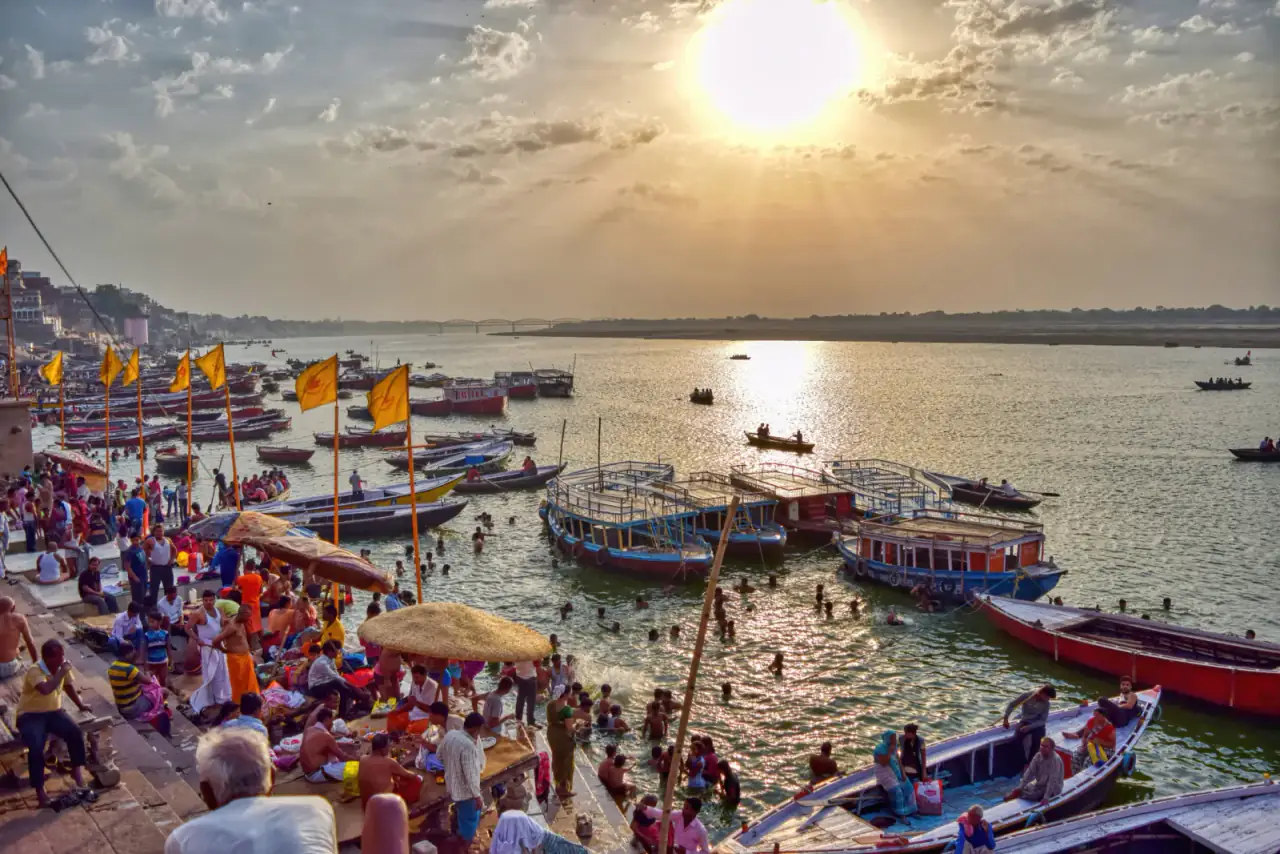
Boats and the Varanasi ghats in the soft light of dawn
Assi Ghat MORNING
A broad southern riverfront often used for morning programmes and boat departures. It may offer an easier introduction than the densest old-city ghats, though access and crowd levels still vary by date.
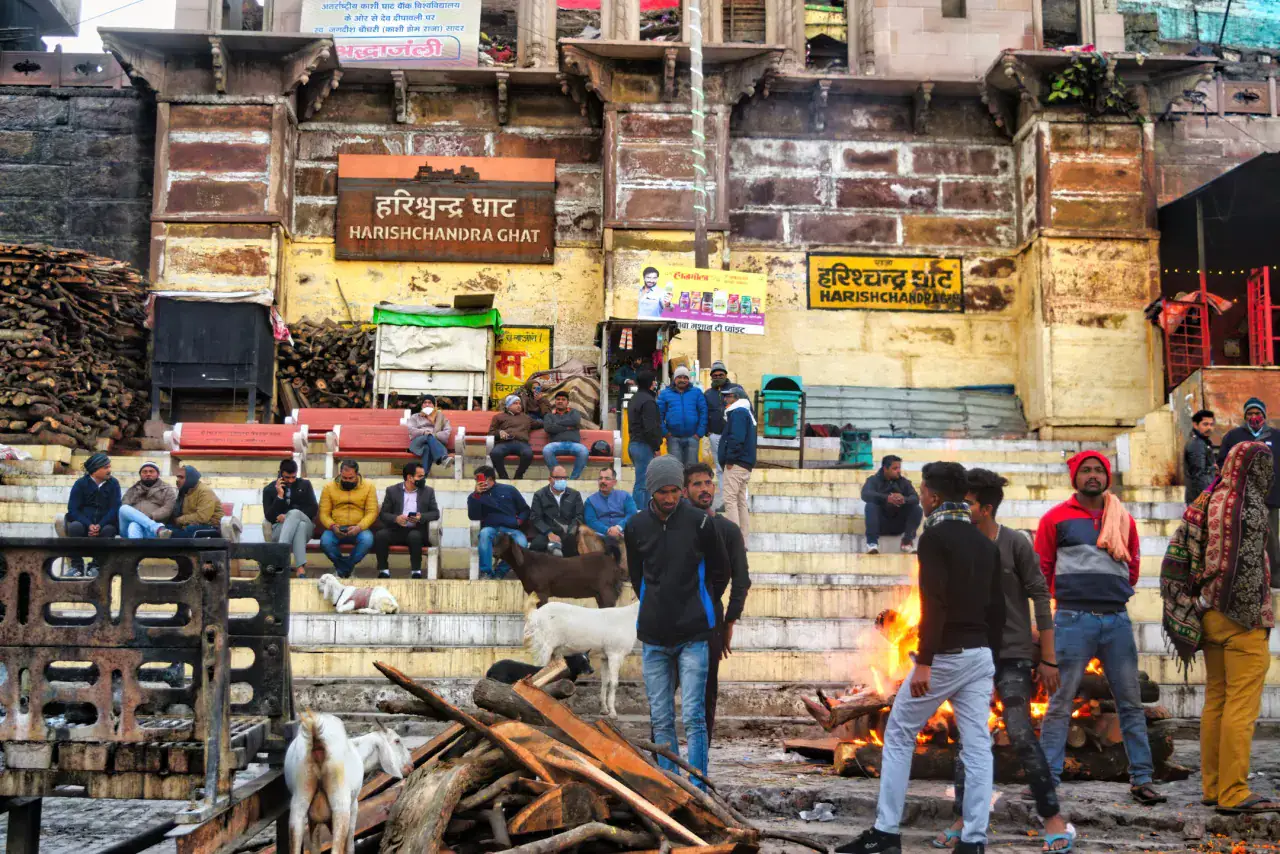
The steps and stacked ceremonial wood at Harishchandra Ghat in Varanasi
Harishchandra Ghat WITH REVERENCE
Another active cremation ghat, associated in tradition with King Harishchandra. We approach it as a place of mourning and sacred duty, protecting privacy and following local guidance throughout.
Temples rising above the riverfront ghats in Varanasi
Panchganga Ghat AS ADVISED
Tradition remembers a confluence of five sacred streams here. The ghat also reflects Kashi's layered architectural history. Whether it is used for darshan or an observance depends on the pandit's guidance and current access.
TEMPLES AND DARSHAN

Let Kashi Vishwanath lead; add temples according to purpose and pace
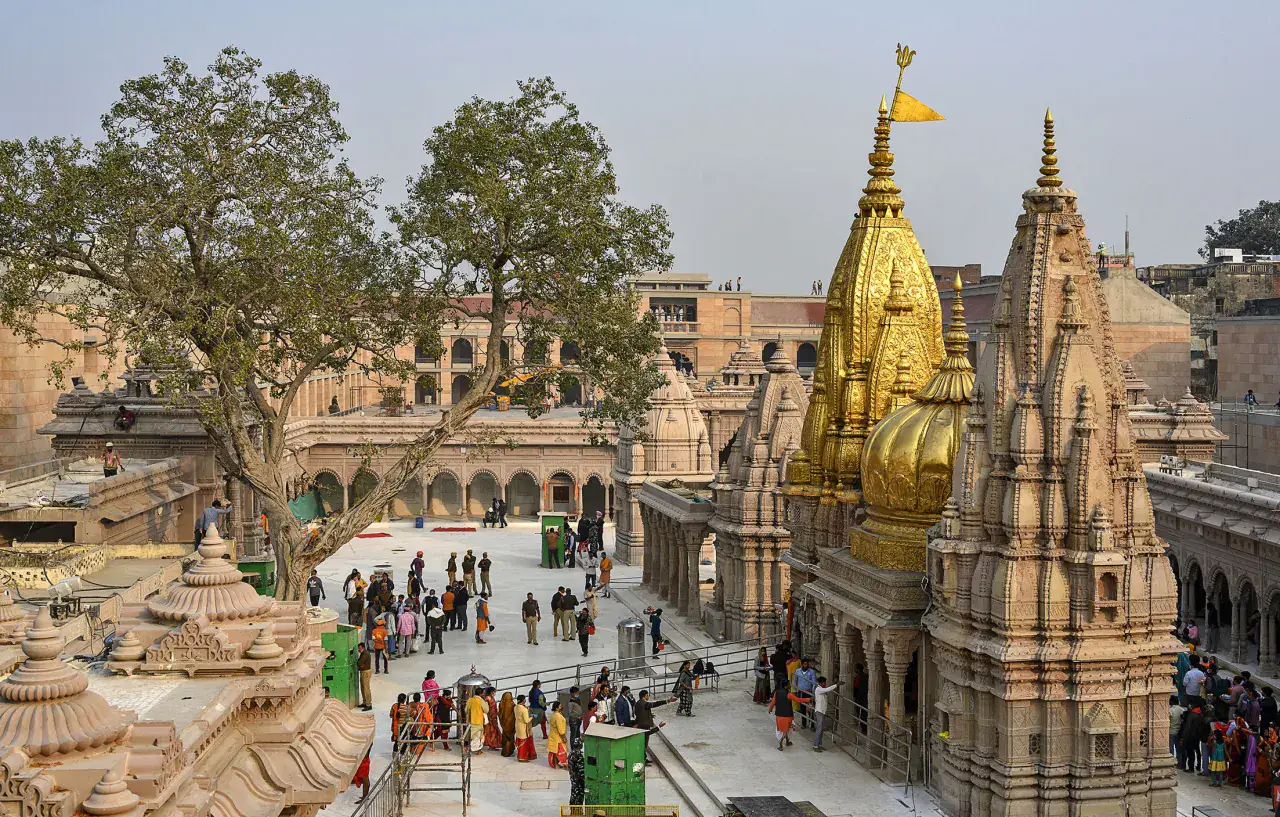
The sequence is tailored, not a fixed one-day checklist
Golden temple spires and the Kashi Vishwanath corridor viewed from above
Kashi Vishwanath
One of the twelve Jyotirlinga temples and the principal darshan in Kashi. Current entry, security, dress and queue procedures are checked for the date.
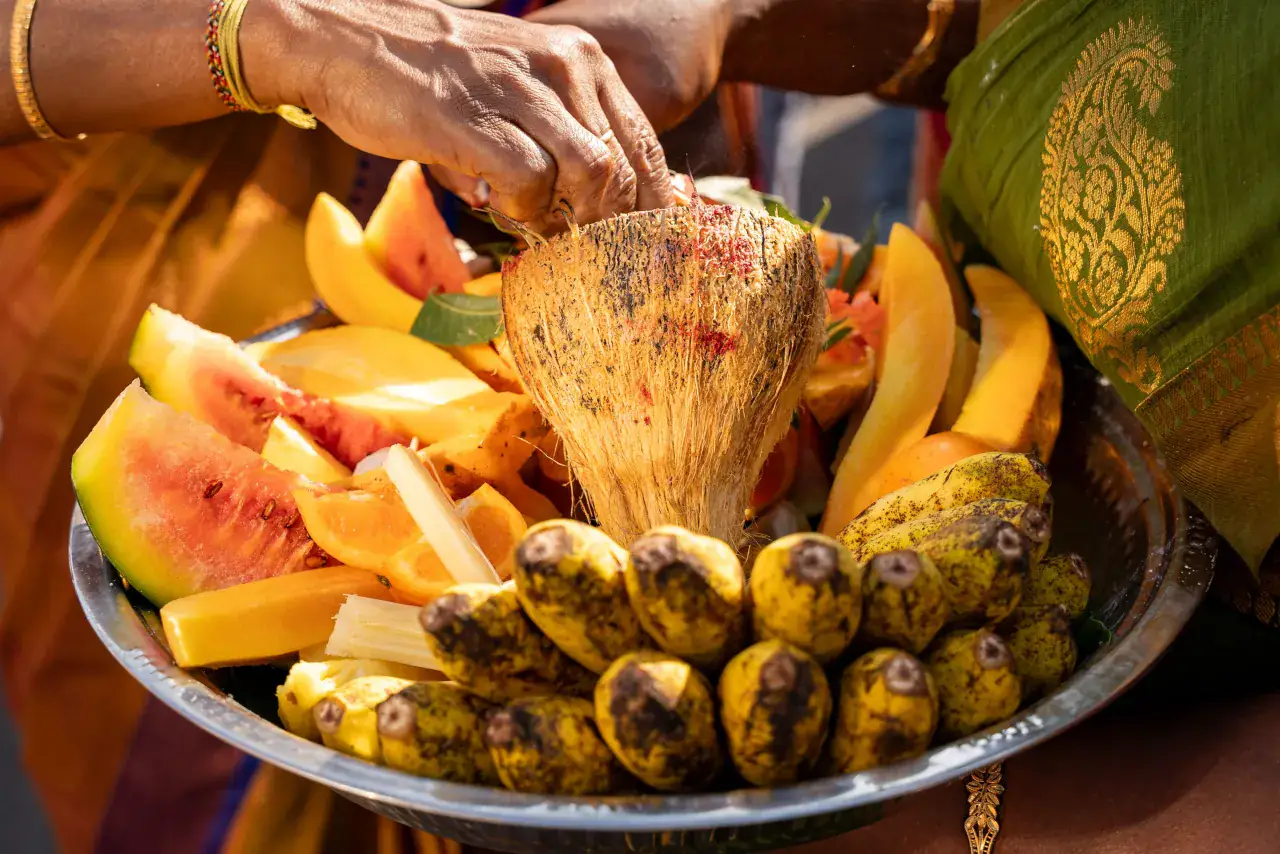
Fresh fruit arranged as an offering during a Hindu observance
Annapurna Devi
The nearby temple honours Annapurna, the nourishing form of the Goddess. It may be paired with Vishwanath darshan when timing and access permit.
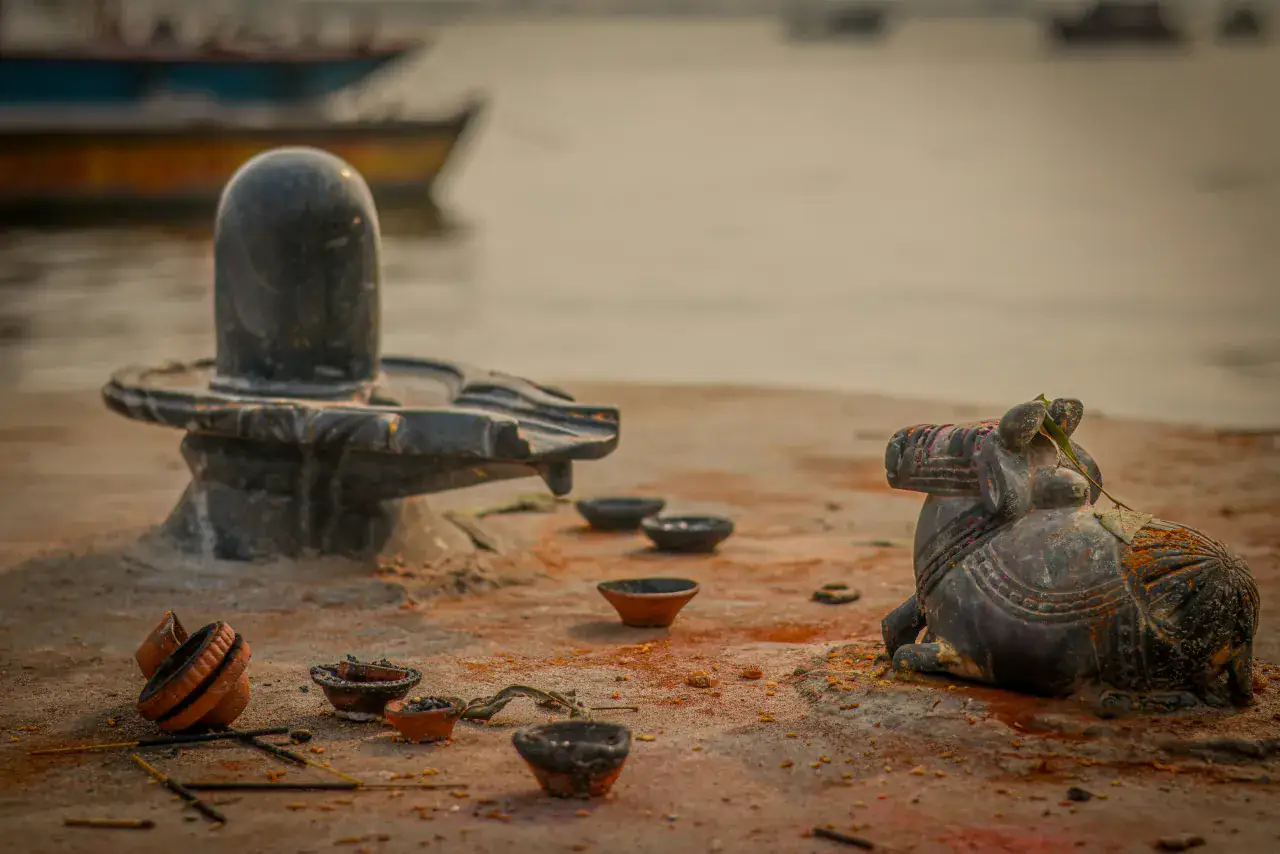
A Shiva linga and Nandi beside a riverbank with small lamps set around them
Kaal Bhairav
Kaal Bhairav is revered as Kashi's kshetrapala, or guardian. Many traditions include this darshan, while the order is confirmed with the family's pandit.
A narrow old-city lane in Varanasi
Vishalakshi Temple
Vishalakshi is revered within Kashi's Shakta tradition and is often associated with the sacred geography around Vishwanath. Include it when it belongs to the family's darshan plan.
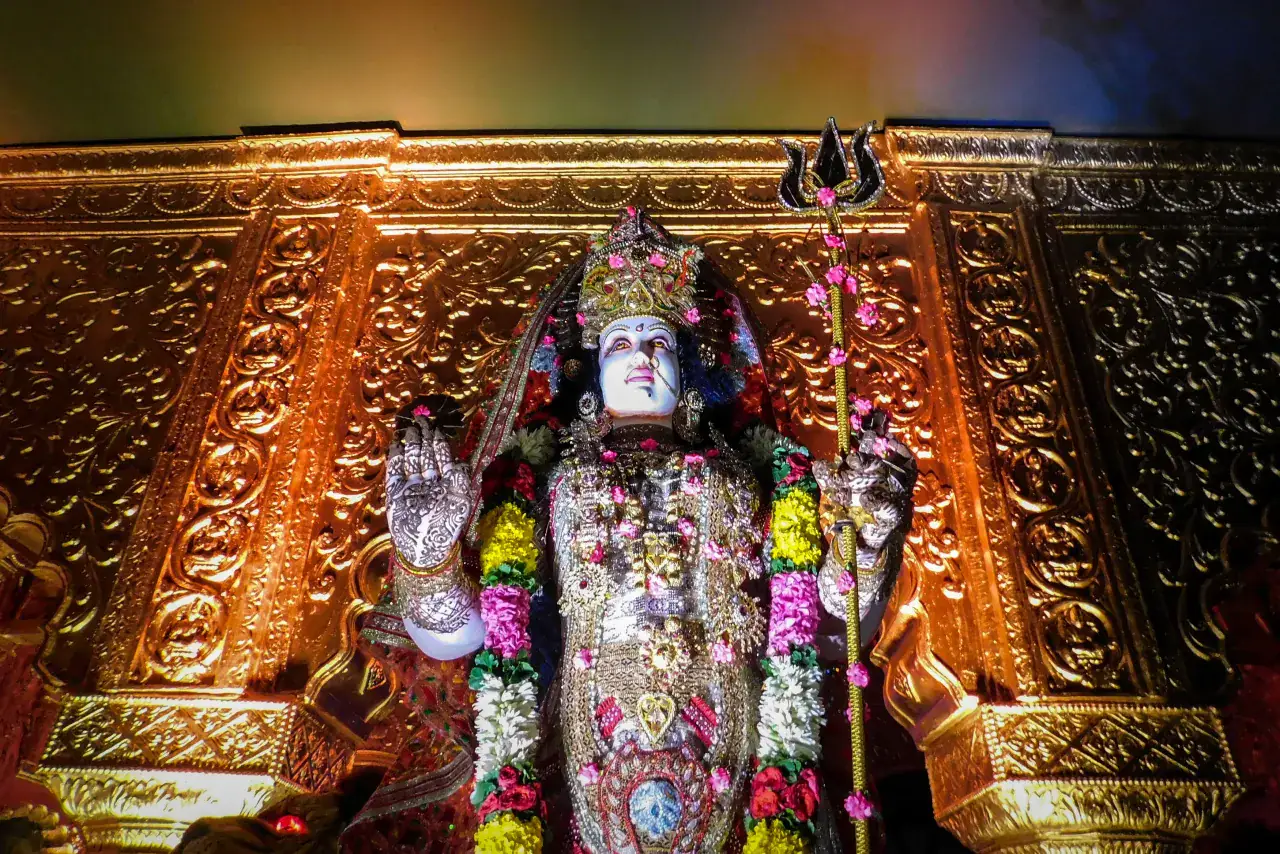
A flower-adorned image of Goddess Durga in a temple setting
Durga Kund Temple
The red temple beside Durga Kund is an important Shakta shrine in the southern part of the city. It is an optional visit, not a compulsory part of every circuit.
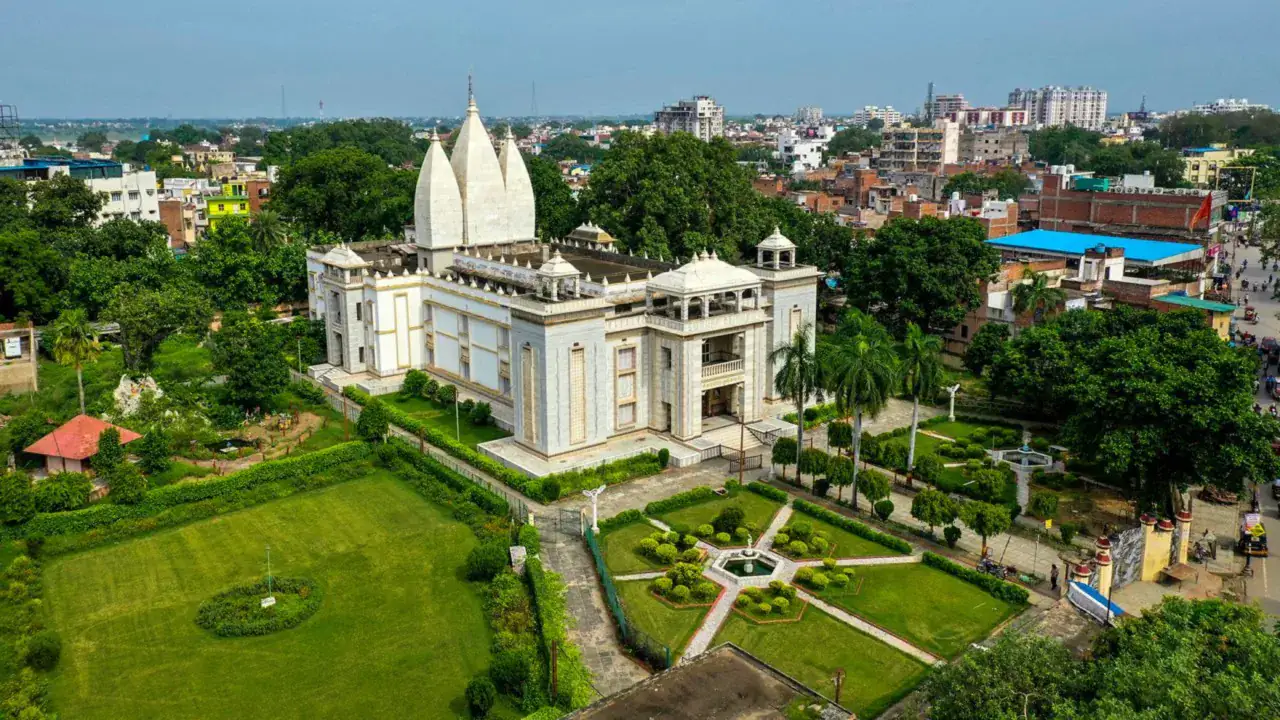
The white temple complex of Tulsi Manas Mandir in Varanasi
Tulsi Manas
A modern temple whose walls present verses and scenes from the Ramcharitmanas, reflecting Kashi's enduring association with Tulsidas.
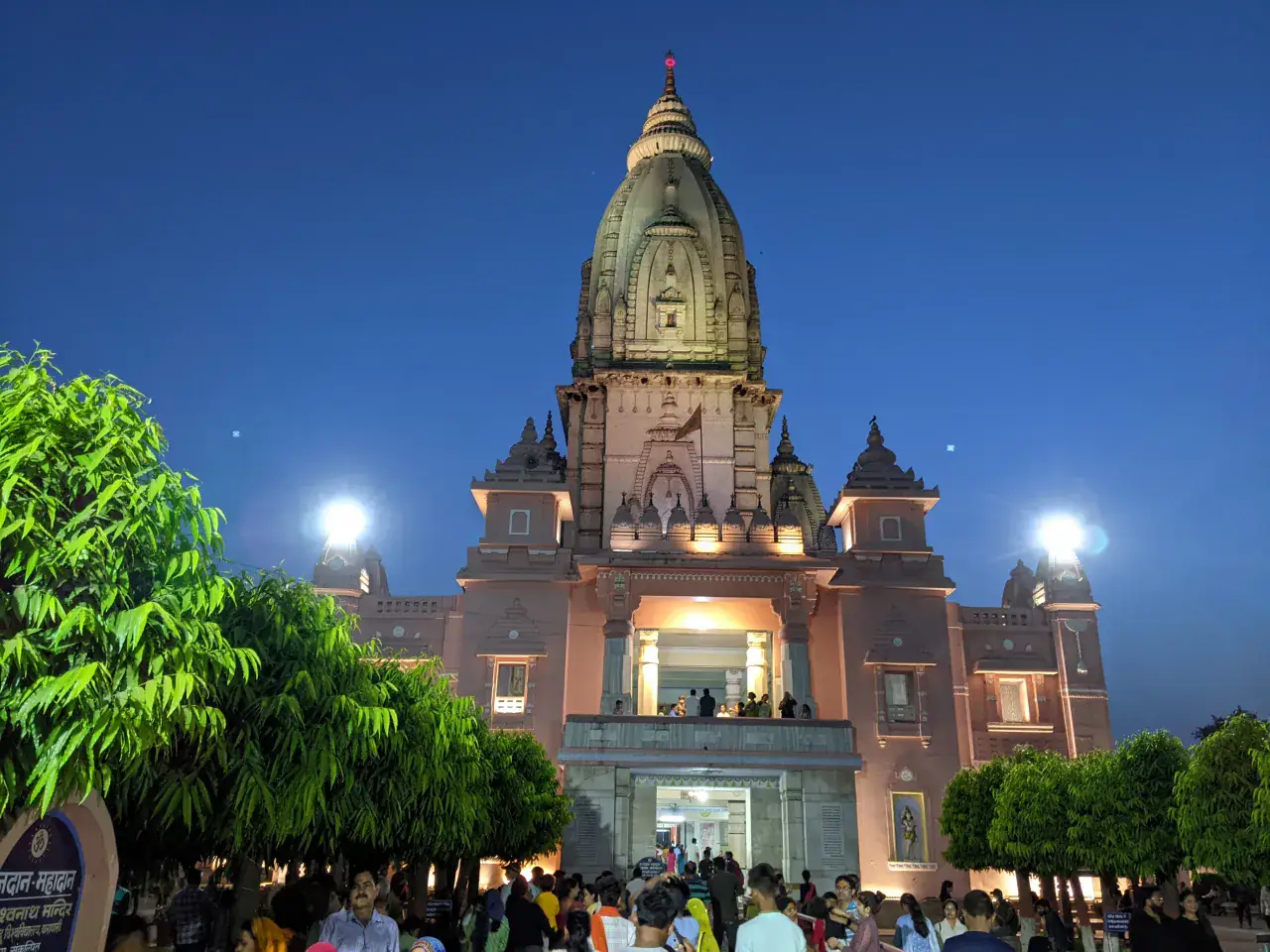
New Vishwanath Temple illuminated on the Banaras Hindu University campus
New Vishwanath, BHU
The modern temple within Banaras Hindu University offers a spacious setting away from the old-city lanes and may suit a broader city visit.
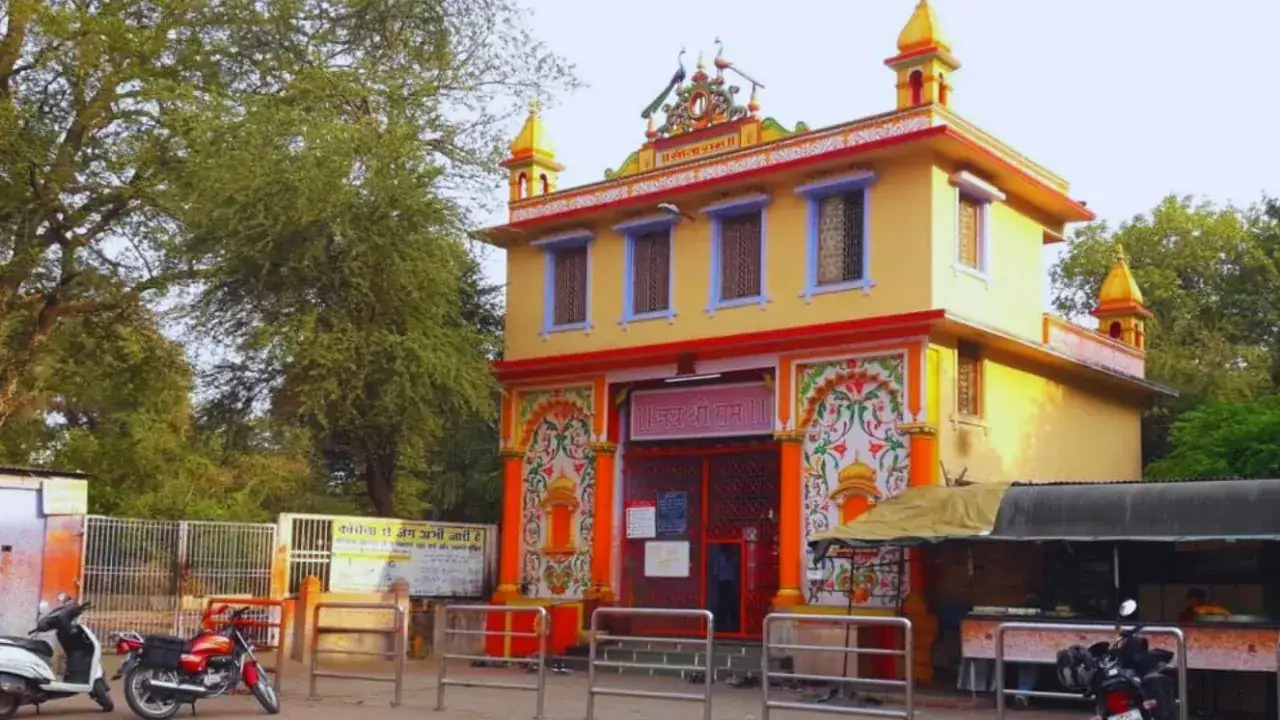
The colourful exterior of Sankat Mochan Hanuman Temple in Varanasi
Sankat Mochan
This Hanuman temple is closely associated with the Tulsidas tradition. Tuesdays, Saturdays and festival dates can be especially busy, so current access is checked.
OPTIONAL EXCURSION ALLOW A HALF DAY · CHECK CURRENT ACCESS

Sarnath, where the Buddha gave his first teaching

Sarnath, near Varanasi, is revered as the place where the Buddha delivered his first teaching after awakening at Bodhgaya, setting the Dharma wheel in motion. It is one of Buddhism's principal pilgrimage places and can be included for families who wish to understand that wider sacred landscape.

Sarnath is optional. It complements a Bodhgaya visit for those with a Buddhist interest, but it is not required for Kashi darshan or ancestral observances. We include it only when the family's priorities, available time and energy allow an unhurried visit.
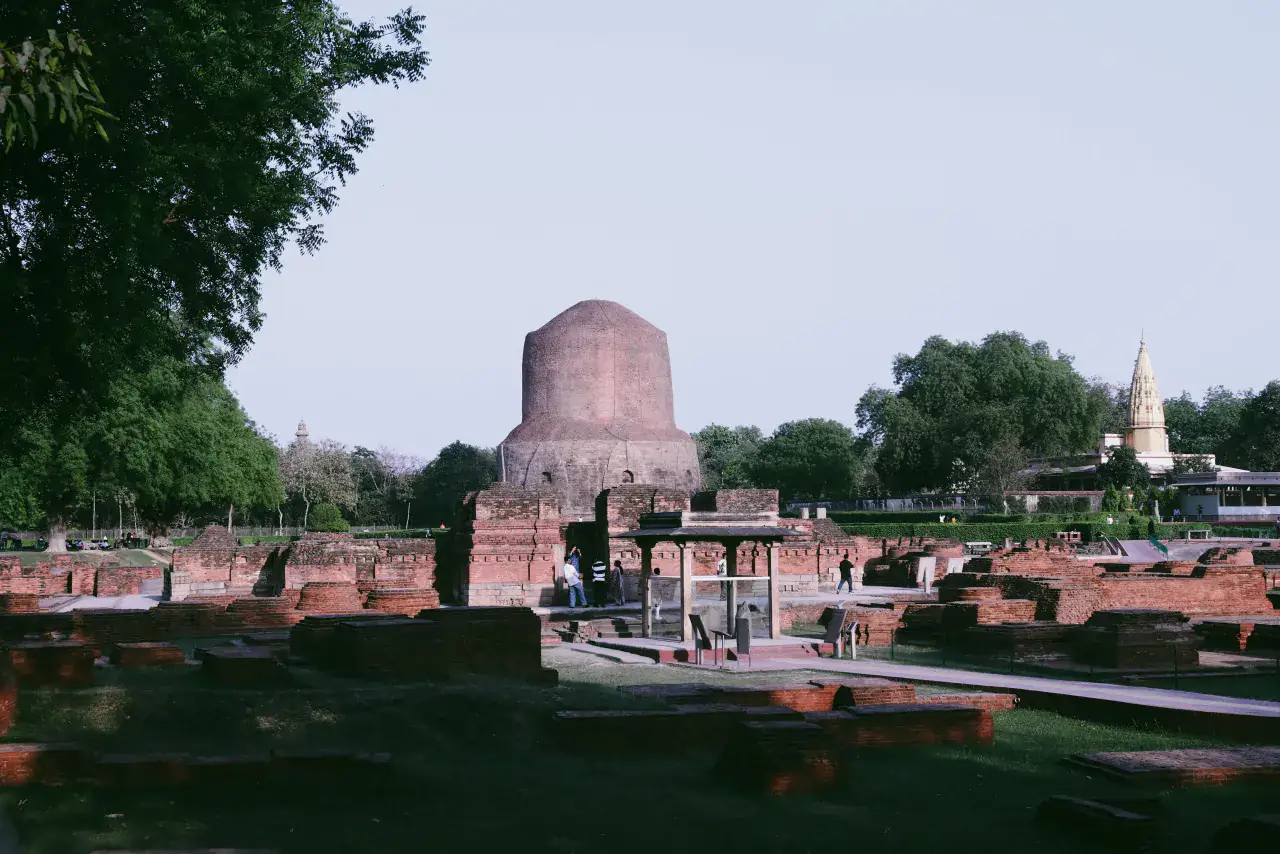
Dhamek Stupa The monumental stupa associated with the place of the Buddha's first teaching.
Ashokan pillar remains The surviving base and fragments belong to Ashoka's patronage; the lion capital is preserved in the site museum.
Site museum The collection includes the lion capital and important Buddhist sculpture. Opening days, hours and security rules are checked before travel.
Mulagandha Kuti Vihara A modern Buddhist temple known for its murals, beside the deer-park setting of Sarnath.
Dhamek Stupa and the monastic remains at Sarnath
INCLUDE IT WITH PURPOSE
Tell us if Sarnath matters to your family. We will show where it can sit without shortening a confirmed rite, rushing Kashi Vishwanath darshan or overloading an elder's day.
FOOD

Keep ritual-day meals simple, satvik and suited to the family

Kashi offers many vegetarian choices, and satvik meals without onion or garlic can be arranged. Any fasting or delayed meal should follow the family's practice, the pandit's guidance and medical needs. Dietary restrictions, allergies and an elder's meal timing are confirmed before the ritual day.
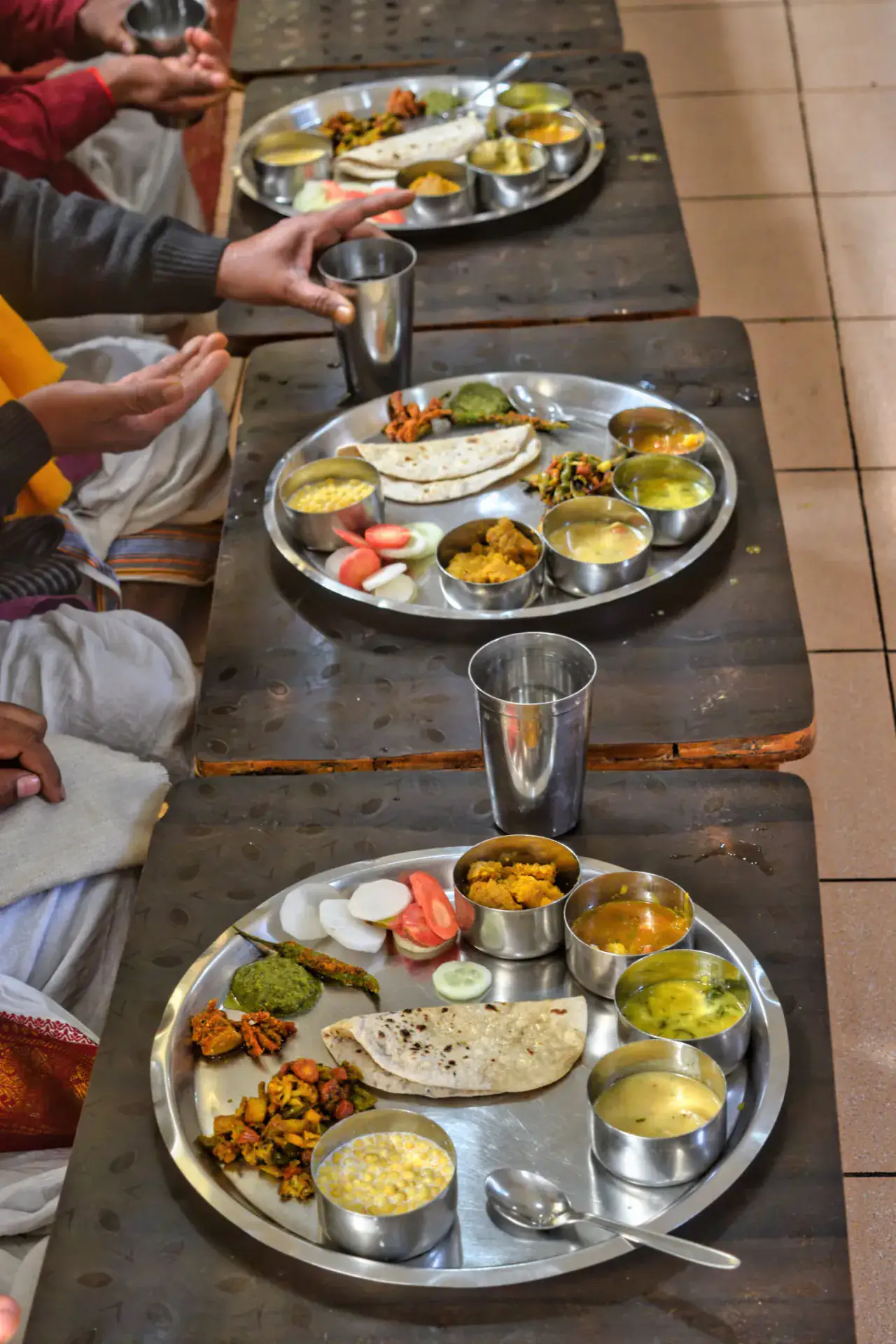
Ritual-day meal A simple satvik meal is arranged around the confirmed fasting practice, medicines and completion time.
Banarasi vegetarian meal A thali or light home-style meal can be prepared satvik when requested; ingredients and allergies are confirmed.
Seasonal malaiyo This delicate winter sweet appears in cooler weather, but availability and food handling vary by day.
Banarasi snacks Kachori, chaat or chooda-matar may be enjoyed away from the ritual schedule, using a clean and trusted kitchen.
Lassi and thandai Confirm ingredients before ordering; some thandai preparations may contain bhang and are not appropriate for every traveller.
North Indian satvik thalis served in steel plates
GETTING AROUND
Ghats often require walking
Vehicle drop points change with police controls and the chosen ghat. We explain the walking, steps and possible alternatives before fixing the stay and ritual place.
Prayagraj
The Sangam may be planned as a separate day or overnight stay. Road time, mela controls and family comfort are checked for the actual date.
Gaya and Bodhgaya
This journey between cities needs enough travel and rest time. Its place in the itinerary depends on the intended Gaya rites and onward connection.
The airport
Lal Bahadur Shastri International Airport serves Varanasi. Transfer time varies considerably with traffic, old-city restrictions and the location of the stay.
ETIQUETTE AT THE RITES

How to enter the ritual morning with steadiness and respect

You are not expected to arrive knowing Sanskrit or every step. The pandit should explain the purpose and sequence, and you should feel free to ask questions before the sankalpa begins. Preparing names, clothing and health needs in advance leaves the family free to participate with attention.

Confirm the fasting practice
Fasting differs by rite and family tradition. Essential medicines, safe hydration and medically required meals are respected; ask your clinician when guidance is needed.
Dress for the rite and temple
Current temple requirements are confirmed for each family member. Carry a secure change of clothes if snanam is included and minimise restricted items.
Prepare names, not perfection
Bring the ancestors' names and relationships, known gotra and relevant tithi or date. If something is unknown, say so; the pandit can explain the accepted formulation.
Ask before the sankalpa
The pandit guides the sequence, but the family should understand its purpose. Ask questions before the rite begins and speak up about pain, fatigue or uncertainty.
Understand services and offerings
Included priest services, worship materials (samagri) and any customary offering (dakshina) should be explained in writing. A separate personal offering, if made, remains the family’s choice.
Protect privacy
Do not photograph rites, mourning families or cremation grounds. Follow temple and ghat restrictions even when another visitor appears not to.
SEASONS, FESTIVALS AND SACRED DATES

Choose Kashi dates by tithi, climate, river access and family strength

October to March COOLER PERIOD
Often more comfortable for walking, though winter fog, air quality, festivals and peak-season crowds can affect the plan.
Dev Deepawali KARTIK PURNIMA
A major lamp festival on the ghats. The lunar date, crowd controls, traffic restrictions and permitted river viewing are verified each year.
Mahashivaratri LUNAR DATE
One of Kashi's most important Shaiva festivals. Temple access, queues and road controls can differ greatly from an ordinary darshan day.
Pitru Paksha LUNAR FORTNIGHT
A significant period for ancestral remembrance. Its dates vary by panchanga, and appropriate rites may also be performed at other times.
April to June HOT PERIOD
Heat can make riverfront walking demanding. Earlier outdoor periods, hydration, rest and an elder's medical needs take priority.
Monsoon DATE VARIES
High river levels can alter ghat access, boats and the place used for an observance. A safe alternative is confirmed locally.
MONTH BY MONTH
MONTH
WEATHER
CROWDS
WHAT IT MEANS FOR PLANNING
January
Cool to cold mornings; fog is possible
Variable
Winter visibility, air quality and the Magh period at Prayagraj can affect the wider circuit. Leave extra time between journeys.
February
Usually cool to pleasantly warm
Variable
Comfort can be good, but Mahashivaratri or other lunar dates may substantially change access and crowds.
March
Temperatures generally begin to rise
Variable
Plan riverfront activity earlier in the day and check festival dates before choosing temple windows.
April
Often hot, with strong afternoon sun
Variable
Shorten outdoor periods, protect hydration and confirm whether the family can manage the lanes and steps.
May
Commonly among the hottest periods
Variable
A heat-aware plan, medical advice where relevant and generous rest are essential; reduce non-principal visits.
June
Hot and increasingly humid before rain
Variable
Heat, storms and early monsoon conditions can change road and outdoor plans. Keep the itinerary flexible.
July
Monsoon rain and high humidity
Variable
River levels, slippery steps and boat restrictions may alter both Kashi and Prayagraj arrangements.
August
Monsoon conditions often continue
Variable
Some lower steps may be inaccessible. Use the locally approved ritual place and avoid assuming a boat will operate.
September
Rain may ease, though humidity remains
Variable
Pitru Paksha may fall in September or October. Confirm the panchanga date and expected ritual demand.
October
Often clearer, with easing humidity
Variable
Festival and ancestral-observance dates can make some periods very busy. Reserve only after the route is agreed.
November
Generally cooler; mornings may feel crisp
Variable
Dev Deepawali and Kartik dates can bring exceptional crowds, traffic controls and changed boat operations.
December
Cool to cold, with fog possible
Variable
Carry warm layers and allow for reduced visibility or transport delay on early departures.
HEALTH AND SAFETY

Prepare for drinking water, food hygiene, air quality and wet steps

Kashi's crowds, riverfront steps, seasonal heat or cold, air quality and distance through the old lanes deserve advance planning. Carry prescribed medicines, discuss significant conditions with your clinician and insurer, and tell us what mobility or emergency support the family may require.

Drinking water
Sealed or reliably filtered drinking water is planned for transfers and walking sections. Check bottle seals and carry enough for the time spent away from the hotel.
Food hygiene and diet
Choose freshly prepared food from a clean kitchen, use safe water for washing, and confirm allergies, satvik needs and medical restrictions in advance.
Bring prescribed medicines
Carry an adequate supply in original packaging with prescriptions. Ask your clinician what travel medicines are appropriate instead of relying on a generic list.
Pharmacies
Availability and hours vary. Keep essential medicines with you and ask the coordinator or hotel to identify a reputable current option if one is needed.
Medical plan
Identify appropriate nearby and higher-level care for the travel date, and understand the insurer's procedure. An emergency destination depends on the condition and location.
Heat and weather
In hot periods, reduce outdoor exposure, carry safe fluids and watch for heat illness. Ritual timing is agreed with the pandit without overriding medical needs.
Wet stone and steps
Ghats may be uneven, wet and barefoot in places. Use permitted footwear where possible, a steady companion or mobility support, and an alternative ritual position when needed.
Air quality and breathing
Check the current air-quality and fog forecast. Travellers with respiratory conditions should carry prescribed treatment and ask their clinician how to adapt outdoor exposure.
PRACTICAL PLANNING

What to confirm before your family's Kashi stay

Dress
Carry modest clothing suitable for the confirmed rite and current temple rules, plus a secure change if snanam is included. Requirements are checked for every family member.
Elders and mobility
Tell us about walking tolerance, stairs, balance and restroom needs. We reduce visits, select the most suitable drop points and explain where access remains difficult.
Photography and security
Rules vary by temple, ghat and security zone. Never photograph cremation grounds or mourning families, and follow current device and locker instructions.
What to carry
Bring prescribed medicines, identification, weather-appropriate layers, permitted footwear and only the small number of items needed for that day's plan.
Pandit coordination
The officiating pandit should receive the family's purpose and known details in advance. We identify the agreed contact clearly so the family is not confused by unsolicited approaches.
Timing of observances
The final reporting time is shared after the rite, tithi, river conditions, temple access and pandit's guidance have been considered together.
THE WORDS YOU WILL HEAR

Sacred terms, explained before you are asked to use them

These brief meanings help a first-time pilgrim follow the conversation. Regional usage and ritual detail can vary, so the officiating pandit's explanation remains important.

Sankalpa sun-KUL-puh
A formal statement of sacred intention that names the context of the rite. Its wording and included family details vary by tradition.
Shraddha SHRAAD-dha
A family of observances undertaken with reverence for departed ancestors. The performer, offerings and sequence vary by tradition and occasion.
Pind Daan pind DAAN
The offering of pinda for ancestors according to ritual tradition. Ingredients, number and place are confirmed for the intended observance.
Tarpana TUR-puh-nuh
A water offering made with mantra and intention; its recipients and form depend on the ritual context.
Gotra GO-truh
A lineage identifier used in many sankalpas. If it is unknown or not used in the family's tradition, tell the pandit rather than guessing.
Samagri SAA-muh-gree
The materials required for a rite. They are assembled only after the observance and local practice have been confirmed.
Tirtha / Theertham TEER-tha
A sacred crossing-place, pilgrimage place or sacred water. Regional spellings and usage differ.
Snanam SNAA-num
Sacred bathing or ablution undertaken as part of an observance. The manner may be adapted for safety and health.
Prayaschitta praa-YASH-chit-ta
An expiatory or atonement observance prescribed within a tradition. A knowledgeable pandit explains when it is relevant and how it is undertaken.
Dampati Puja dum-puh-tee POO-juh
An observance honouring a married couple in certain traditions. It is optional and distinct from ancestral rites.
Abhishekam uh-bhee-SHAY-kum
A ritual bathing or offering made to a deity. Materials, access and who may perform it are governed by temple practice.
Jyotirlinga jyo-tir-LING-uh
One of twelve especially revered Shiva sanctuaries in the Jyotirlinga tradition; Kashi Vishwanath and Ramanathaswamy are among them.
Akshayavat / Akshayabat UK-shai-vut
The 'imperishable banyan' remembered at more than one tirtha. In Gaya, Akshayabat is associated with ancestral observances; Prayagraj has its own Akshayavat tradition.
Pitru Paksha PIT-roo PUK-shuh
The lunar fortnight devoted to ancestral remembrance. Dates vary each year, and appropriate observances may also occur outside it.
Tithi TIH-thee
A lunar date used for many observances. The relevant tithi should be calculated from an appropriate panchanga rather than guessed from a civil date.
Dakshina DUK-shih-nuh
An offering or honorarium given in a sacred context. Package inclusions and any optional personal offering should be explained clearly.
Ghat gaat
A riverfront landing or flight of steps used for bathing, worship, boats, daily life and, at designated ghats, cremation.
Darshan DUR-shun
The sacred act of beholding and being present before the deity; it is more than visual sightseeing.
Aarti AAR-tee
An offering of light accompanied by prayer. Kashi's public Ganga Aarti is offered to the river, subject to current arrangements.
Prasad pruh-SAAD
A blessed offering received after worship. Accept it respectfully while also observing genuine allergy or medical restrictions.
PLAN YOUR FAMILY'S YATRA

Tell us what brings your family to Kashi.

Share the family's purpose, likely dates and starting city. We will distinguish what can be planned now from the ritual points the pandit or current temple procedure must confirm.

The itinerary is adapted to your family rather than forcing every enquiry into one fixed sequence.
Ritual details and current temple procedures are confirmed before they are presented as final.
01 PURPOSE
02 JOURNEY
03 CONTACT
Which intention best describes your family's yatra?
Choose the nearest description. We will clarify earlier observances and place ritual questions before the appropriate pandit.
NEXT ON THE CIRCUIT

From Kashi, the circuit may continue to Prayagraj, Gaya or back towards the south.

Prayagraj and Gaya may be included in different orders or as separate stays, depending on the family's sankalpa, earlier rites and available time. Read the full yatra guidance or share your purpose so the route can be confirmed rather than assumed.

Plan Kashi around sacred purpose, current access and family comfort.