Skip to content
Kashi Rameshwaram Tour Packages Enquire
Home · The Yatra and the Rite
THE SACRED CIRCUIT · EXPLAINED WITH CARE

The sacred circuit, understood from beginning to completion.

The Kashi Rameshwaram Yatra joins Rameshwaram, Kashi, Prayagraj and Gaya in a connected pilgrimage. In a customary form of the circuit, an offering from the Setu travels north and sacred water returns south for the concluding worship. The precise rites and sequence are confirmed for your family with the officiating pandits.

Use this guide to understand why each sacred place matters, what may happen at every stage and how your family is prepared and accompanied. Your final plan is shaped around family tradition, the purpose of the yatra, elders, dates and current temple conditions.
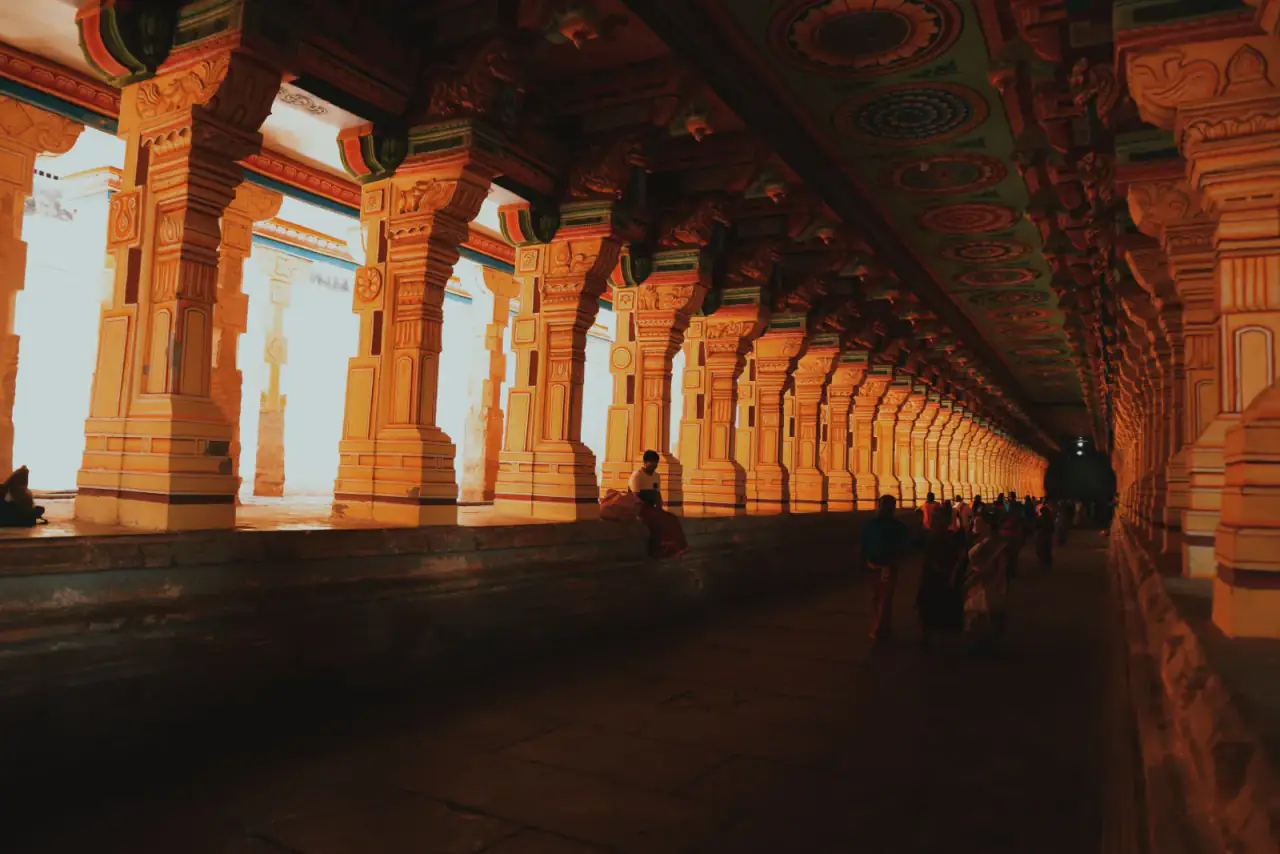
The long carved-pillared corridor inside Ramanathaswamy Temple
NINE CONNECTED STAGES
From the opening sankalpa to the concluding worship.
The customary practices below are explained with reference to the Skanda Purana, Matsya Purana and the traditions of the sacred places. Your officiating pandit confirms the rites appropriate for your family.
01
RAMESHWARAM THE OPENING SANKALPA

Sankalpa — setting the purpose of the yatra

Śubhe śobhane muhūrte…
“At this auspicious moment…” — a traditional opening within the sankalpa. Guided by the pandit, the devotee states the place, time, lineage and purpose of the rite.
SANKALPA TRADITION · GUIDED BY THE OFFICIATING PANDIT

The yatra begins with sankalpa: a clear statement of sacred intention made before the rite. Your gotra, the names of the ancestors being remembered and the purpose of the pilgrimage are spoken under the guidance of the officiating pandit. This gives the journey a prayerful direction from its first stage.
AT THIS STAGE
Review the family details and purpose of the yatra with the officiating pandit
Undertake the sankalpa at the place and time confirmed for your family
Remember the ancestors and state the intention of the rites with the pandit's guidance
HOW WE PREPARE YOUR FAMILY
Family names, gotra and relevant lineage details collected discreetly before travel
Ritual timing, pandit guidance and samagri confirmed in advance
Practical support for changing, footwear, elders and movement near the shore
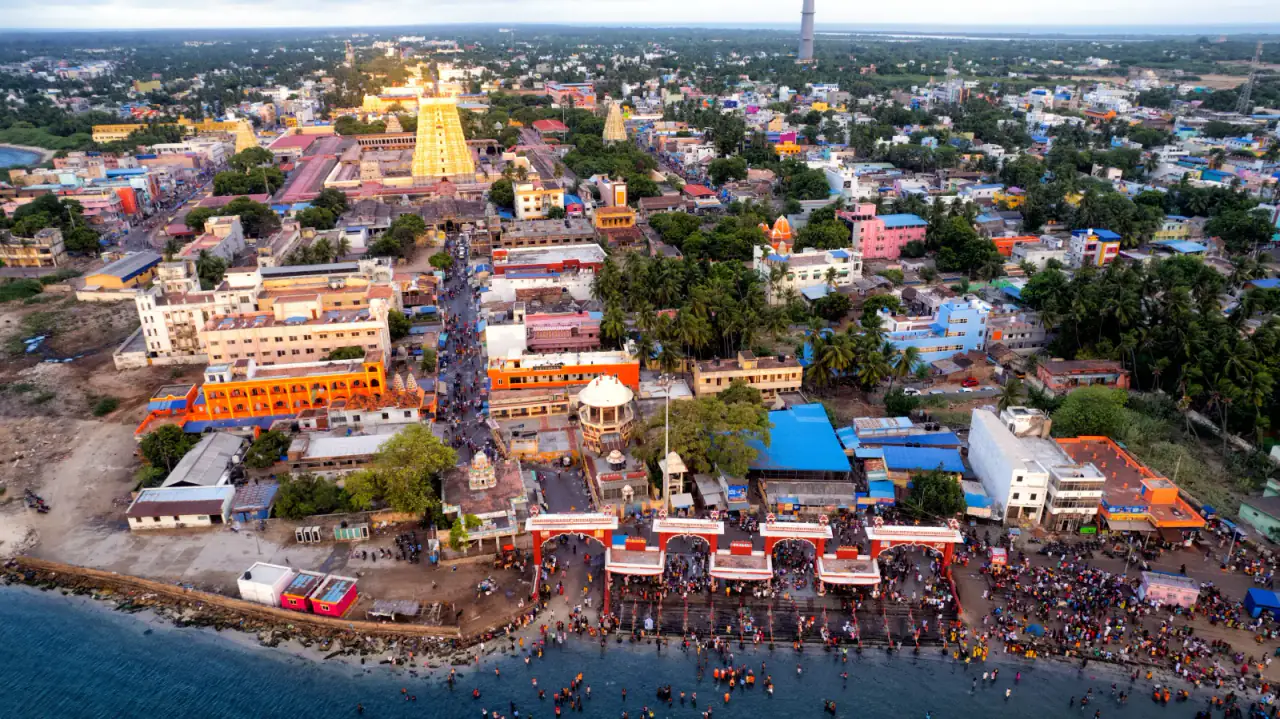
Ramanathaswamy Temple and pilgrims bathing at Agni Theertham
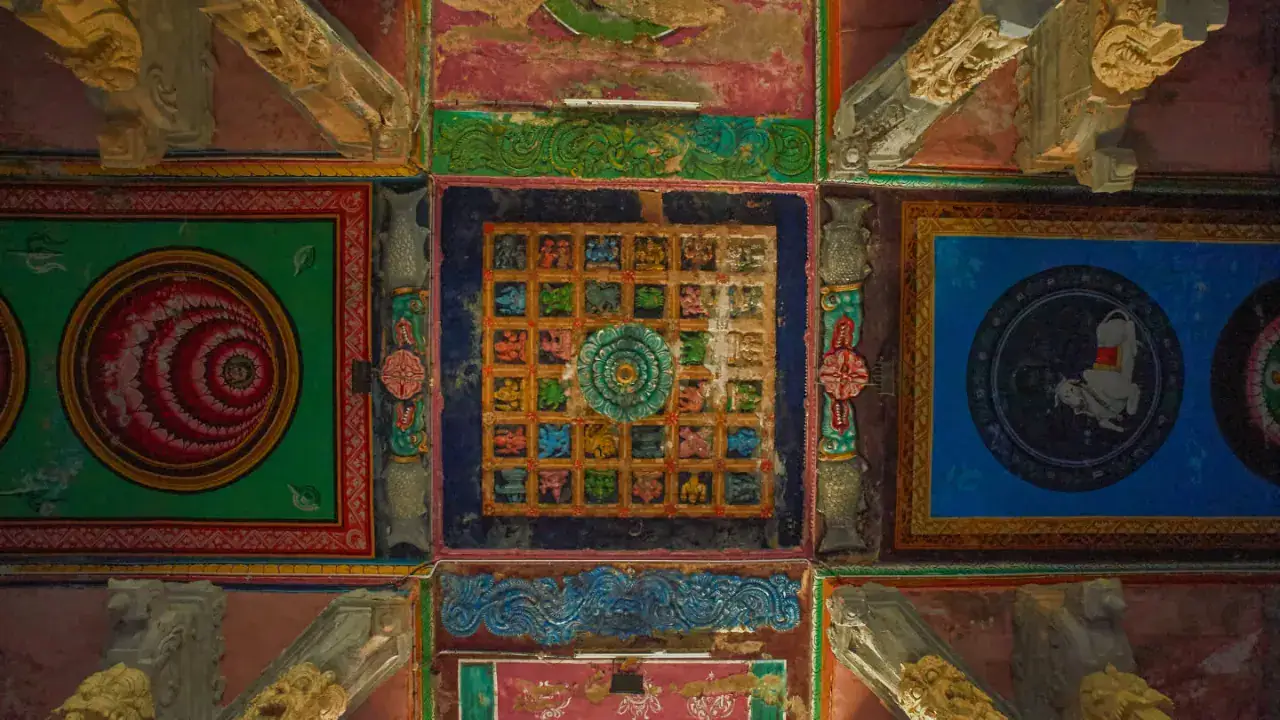
Painted architectural detail inside Ramanathaswamy Temple
02
AGNI THEERTHAM AND THE 22 WELLS

Agni Theertham and the twenty-two temple theerthams

Setu-darśana-mātreṇa…
“By the very sight of the Setu…” — a traditional expression in the Setu Mahatmya conveying the sanctity attributed to darshan of Rama Setu.
SKANDA PURANA · SETU MAHATMYA

Agni Theertham lies beside Sri Ramanathaswamy Temple. Many customary yatra sequences include prayer or sacred bathing here, followed by the twenty-two theerthams within the temple complex. The officiating pandit confirms which observances apply to your family.

AT THIS STAGE
Prayer or sacred bathing at Agni Theertham, as advised
Visit the twenty-two temple theerthams in the prescribed sequence
Change into dry traditional clothing after the bathing observances
Proceed for Ramanathaswamy darshan at the arranged time
HOW WE PREPARE YOUR FAMILY
Current temple timings, access and ritual guidance confirmed before the visit
Pandit support and required ritual materials prepared in advance
Wheelchair needs checked for the dry darshan route; a family companion provides hands-on help
Vehicle positioned as near as current local access permits
The long carved-pillared corridor inside Ramanathaswamy Temple
Painted architectural detail inside Ramanathaswamy Temple
03
SETU OFFERING WHERE TRADITION INCLUDES IT

Setu sand — a sacred symbol carried towards the Sangam

Veṇī-mādhava…
In traditions that include the Setu-sand observance, the offering connects the southern shore with the sacred confluence at Prayagraj.
SETU AND PRAYAGA PILGRIMAGE TRADITIONS

Some family and regional traditions include the collection of a small, ritually prepared quantity of sand at Rameshwaram. The portion intended for the north is carried respectfully and later offered at the Triveni Sangam. Other traditions follow a different form, so this observance is confirmed rather than assumed.

AT THIS STAGE
Receive the Setu-sand observance only when it belongs to your agreed sequence
Carry the ritually prepared portion respectfully towards Prayagraj
Offer it at the Sangam under the pandit's guidance
HOW WE PREPARE YOUR FAMILY
Pandits at Rameshwaram and Prayagraj aligned on the agreed observance
A suitable, clearly packed container prepared for travel
Practical carrying guidance shared before the flight
The straight coastal road to Dhanushkodi with sea on both sides
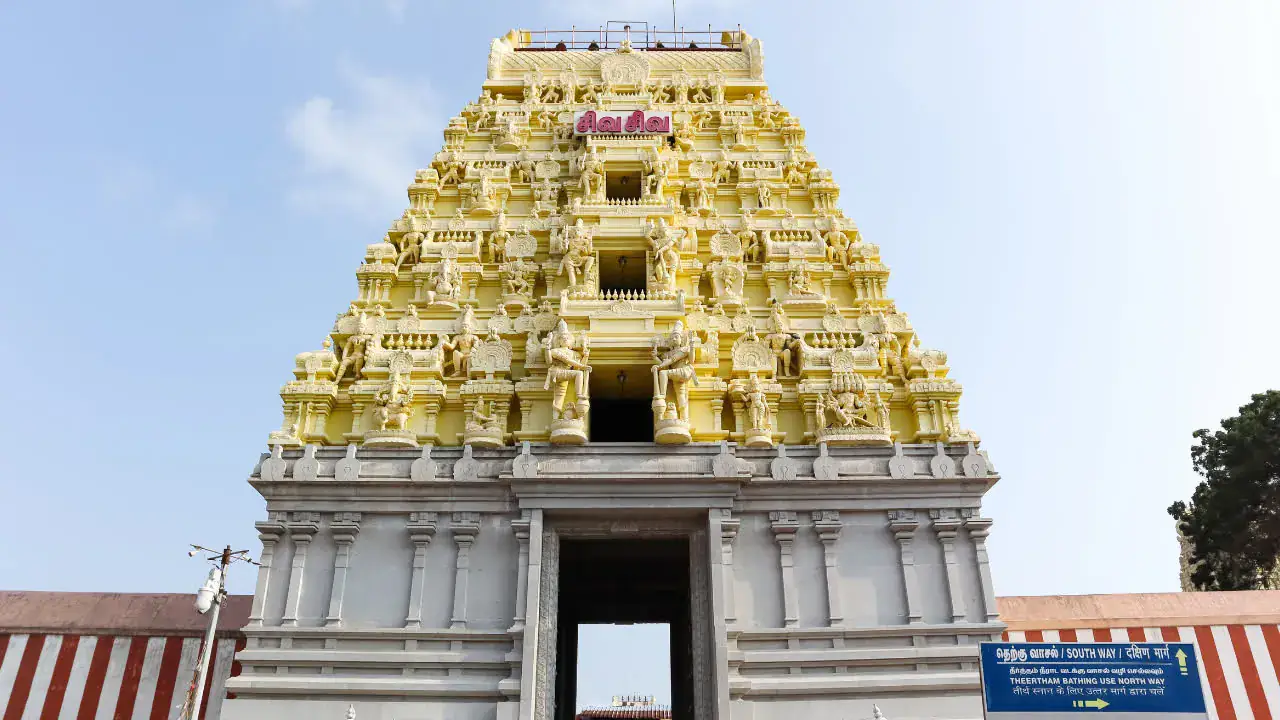
The entrance gopuram of Ramanathaswamy Temple in Rameshwaram
04
KASHI THE GHATS OF THE GANGA

Kashi — sacred bathing, Shraddham and darshan

Kāśyāṃ maraṇaṃ muktiḥ
“In Kashi, death is liberation.” This well-known traditional expression reflects the city's association with Shiva, remembrance and moksha.
SKANDA PURANA · KASHI KHANDA

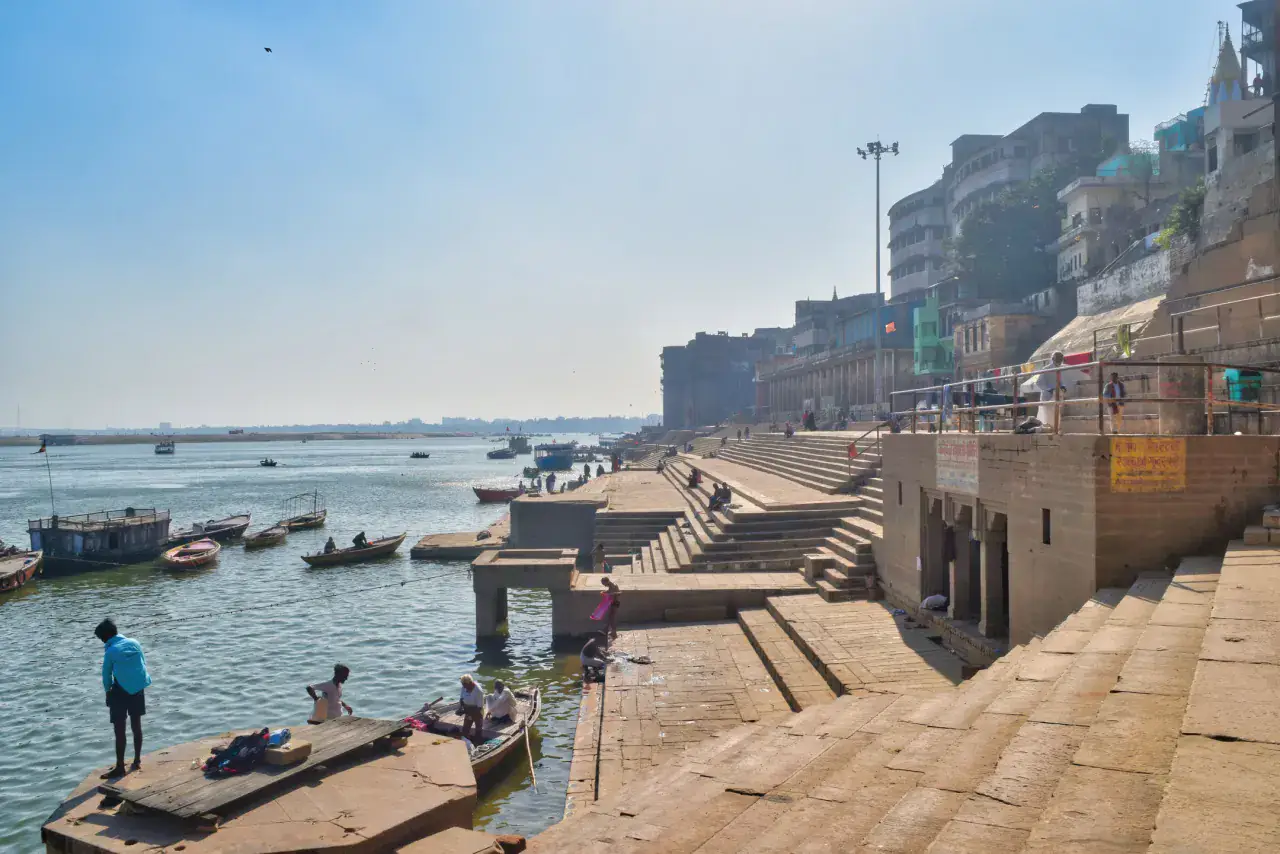
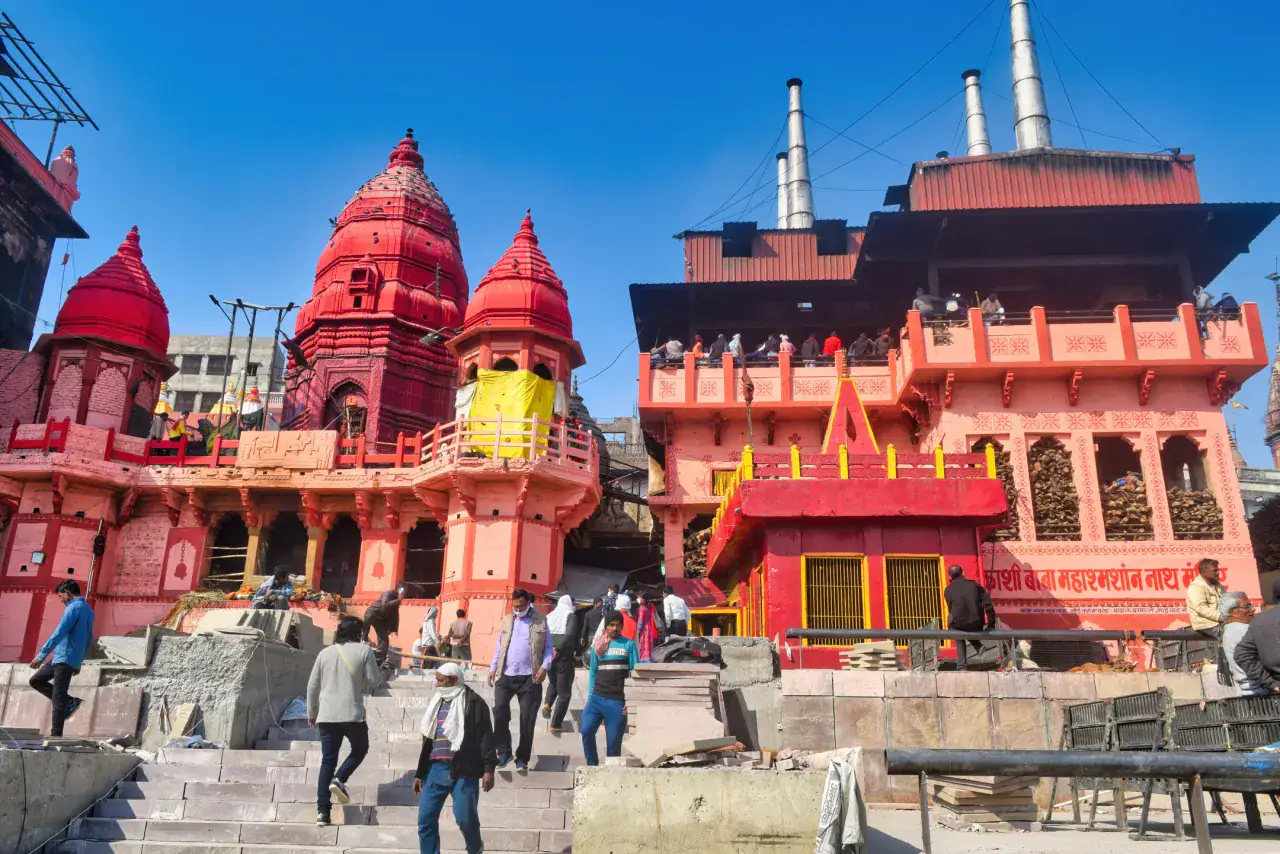
In Kashi, the family approaches the Ganga with prayer and performs the rites selected for its purpose and tradition. These may include a prayerful statement of purpose (sankalpa), sacred bathing, Tirtha Shraddha or Pind Daan. The exact form, the person leading the rite and the ancestral names are discussed with the pandit in advance.
AT THIS STAGE
Perform the Kashi rites confirmed for your family at the chosen sacred place
Receive the pandit's explanation before each sankalpa and offering
Include Dampathi Pooja only where it is appropriate for the family
Visit the principal temples included in your personal itinerary
HOW WE PREPARE YOUR FAMILY
Pandit, sacred place, timing and worship materials prepared in advance
Temple access and local movement planned around current conditions
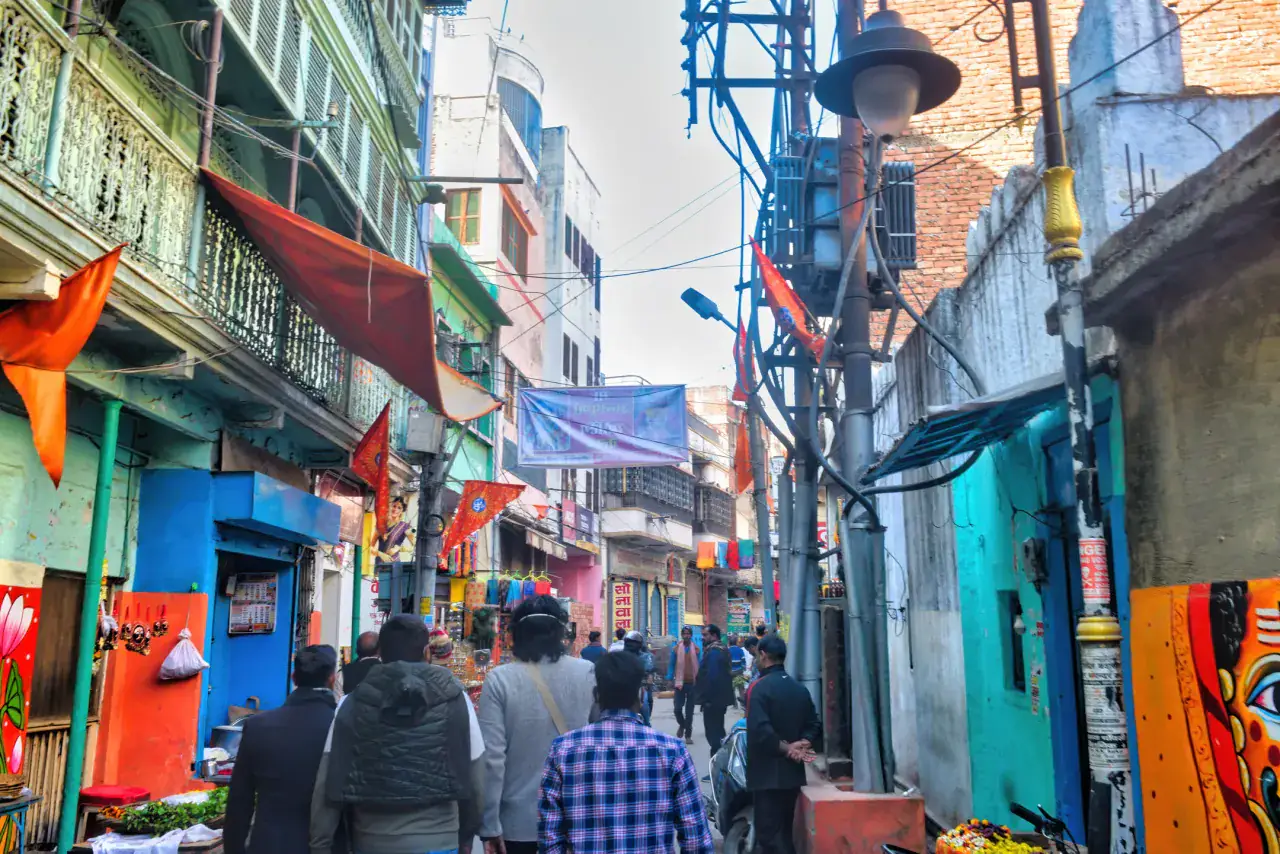
Practical assistance for elders, steps and old-city walking
One coordinator available throughout the Kashi programme
Pilgrims on the ghat steps beside the Ganga in Varanasi
A priest raises a multi-tiered lamp during Ganga Aarti in Varanasi
05
PRAYAGRAJ TRIVENI SANGAM

Prayagraj — offering at the Sangam and receiving Ganga jal

Gaṅgā-yamuna-saṅgamam
The Triveni Sangam is revered as the meeting of the Ganga, Yamuna and the unseen Saraswati. The Prayaga Mahatmya honours Prayaga among the foremost tirthas.
MATSYA PURANA · PRAYAGA MAHATMYA

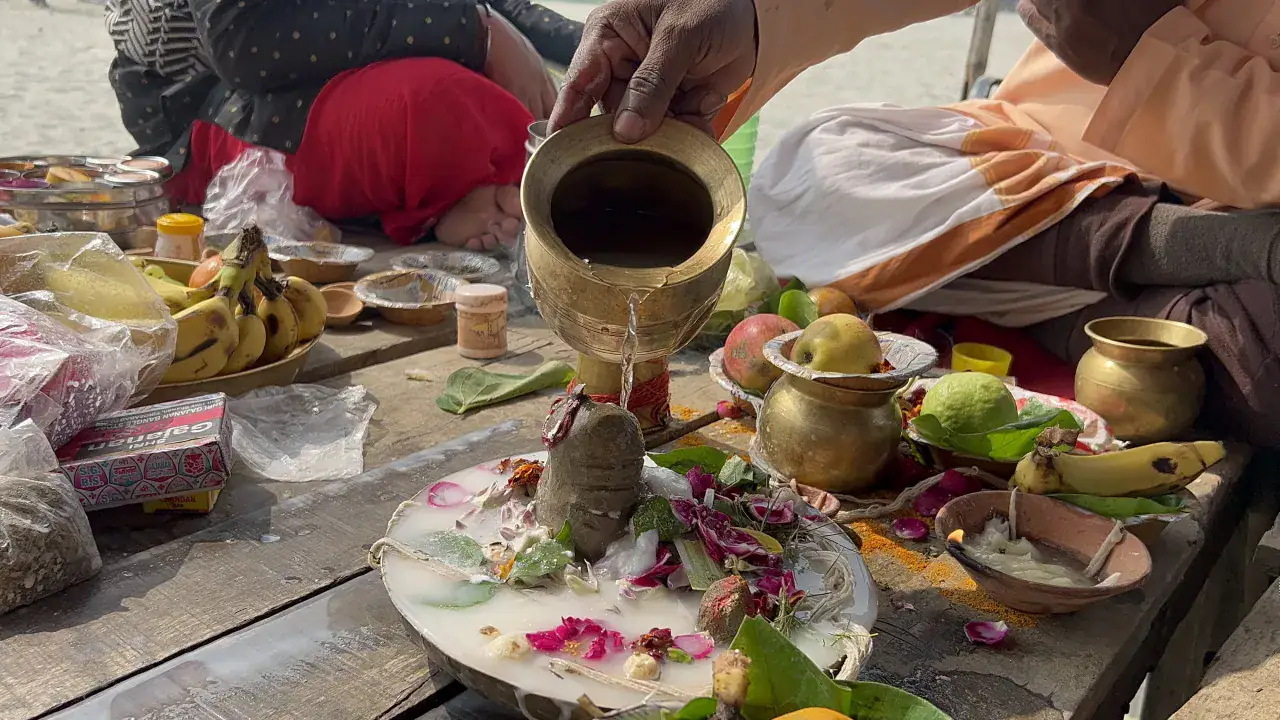
At Prayagraj, the family travels towards the Sangam by the route permitted that day. The pandit guides the sankalpa, offering and any sacred bathing appropriate to the family. Where a Setu-sand observance is part of the yatra, it is completed here.
AT THIS STAGE
Proceed towards the Sangam by the locally permitted route
Perform the agreed sankalpa, offerings and sacred bathing with the pandit
Complete the Setu-sand offering where it forms part of your sequence
Collect Ganga jal for the concluding worship, where advised
HOW WE PREPARE YOUR FAMILY
Pandit, authorised boat and ritual materials coordinated
River, weather and crowd conditions reviewed near the date
Suitable containers and carrying guidance for the sacred water
Boarding assistance and an alternative plan for restricted access
The Triveni Sangam at first light in Prayagraj
Ritual offerings arranged for a puja in Prayagraj
06
GAYAKSHETRA PLACES CHOSEN BY THE PANDIT

Gaya — Pind Daan in the sacred land of Gayakshetra

Eṣṭavyā bahavaḥ putrā yadyeko'pi gayāṃ vrajet
“Many sons are wished for, so that at least one may go to Gaya.” This traditional verse conveys the longstanding importance of Gaya Shraddha. The pandit helps decide who should lead the rite according to family circumstances and tradition.
GAYA MAHATMYA

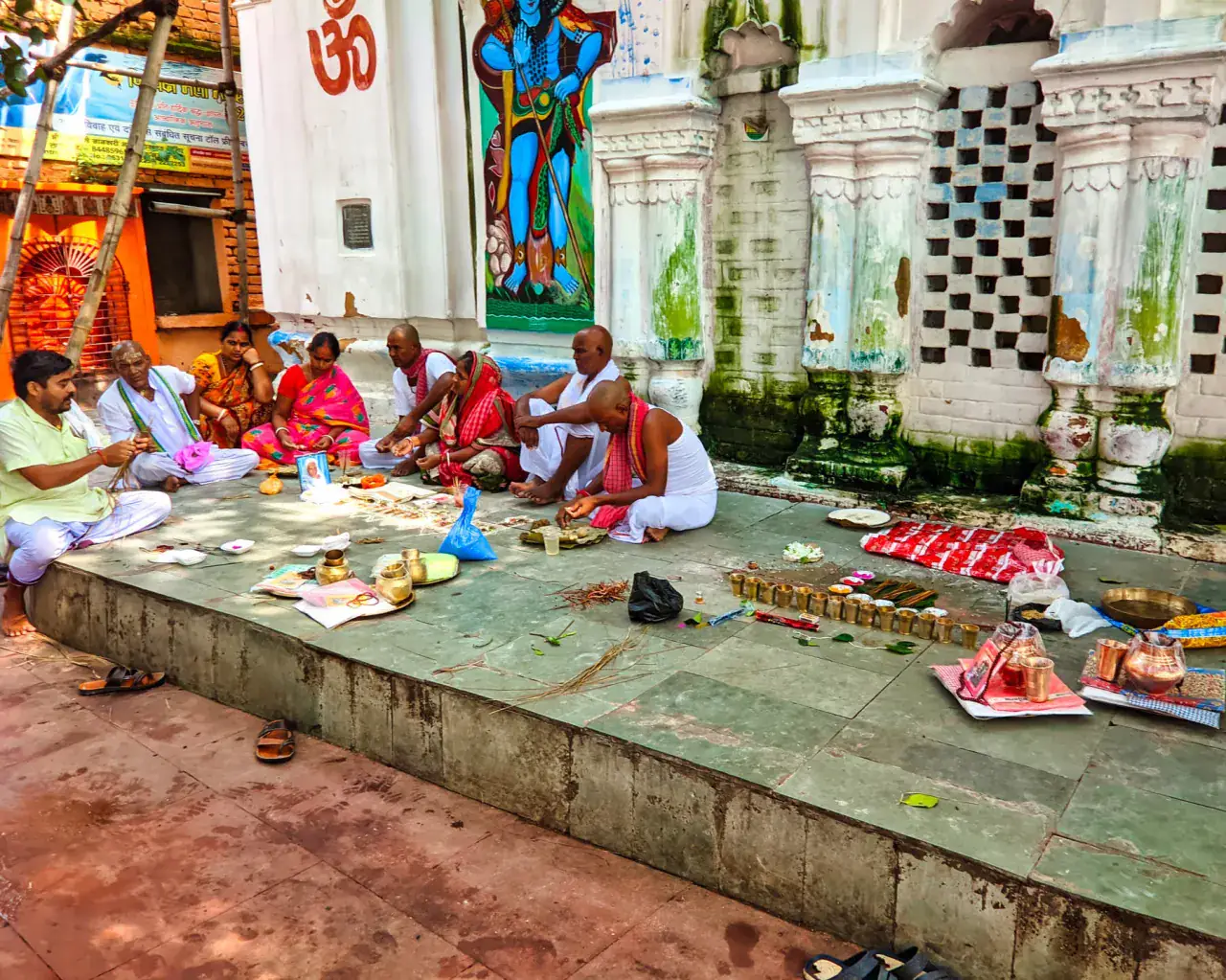
Gaya holds a distinctive place in the tradition of ancestral rites. Depending on the sankalpa and family custom, the pandit may guide offerings at Vishnupad, the Phalgu and Akshayavat, or through another sequence of prescribed vedis. The correct form is established for the family before the ritual day.
AT THIS STAGE
Discuss the purpose, ancestors and person leading the rite with the Gaya pandit
Perform Pind Daan and related offerings at the places prescribed for your family
Complete the pandit's concluding prayers and instructions without rushing
Visit Bodhgaya separately, if your family chooses
HOW WE PREPARE YOUR FAMILY
Gaya pandit briefed with the family's details before arrival
Ritual route and materials prepared according to the agreed sankalpa
Rest, drinking water and mobility needs considered throughout the morning
Transport and any optional Bodhgaya visit timed around the rite
A family performing Pind Daan near the Phalgu in Gaya
The stone exterior of Vishnupad Temple in Gaya
07
KASHI FOR THE LIVING

Dampathi Pooja — honouring the household and the living

Dampatī pūjanam
“Honouring the married couple together.” The pooja seeks blessings for harmony, wellbeing and the shared dharma of the household.
FAMILY AND PANDIT TRADITION · FORM CONFIRMED FOR EACH HOUSEHOLD

Dampathi Pooja turns attention towards the continuity of the living household. Where this observance belongs in the family's yatra, a married couple is seated and honoured together, with blessings for harmony, wellbeing and shared dharma.
AT THIS STAGE
Follow the form of Dampathi Pooja advised for the household
Receive blessings together as a married couple and family
Make the simple offerings explained by the pandit
HOW WE PREPARE YOUR FAMILY
Appropriateness and timing discussed privately before travel
Traditional dress and required items explained in advance
Alternative guidance confirmed compassionately where circumstances require it
Temples rising above the riverfront ghats in Varanasi
A narrow old-city lane in Varanasi
08
BODHGAYA THE PAUSE

Bodhgaya — a respectful pause after the Gaya rites

Bodhi
“Awakening.” Bodhgaya is revered in Buddhist tradition as the place of the Buddha's enlightenment beneath the Bodhi Tree.
MAHABODHI TEMPLE · BUDDHIST SACRED TRADITION

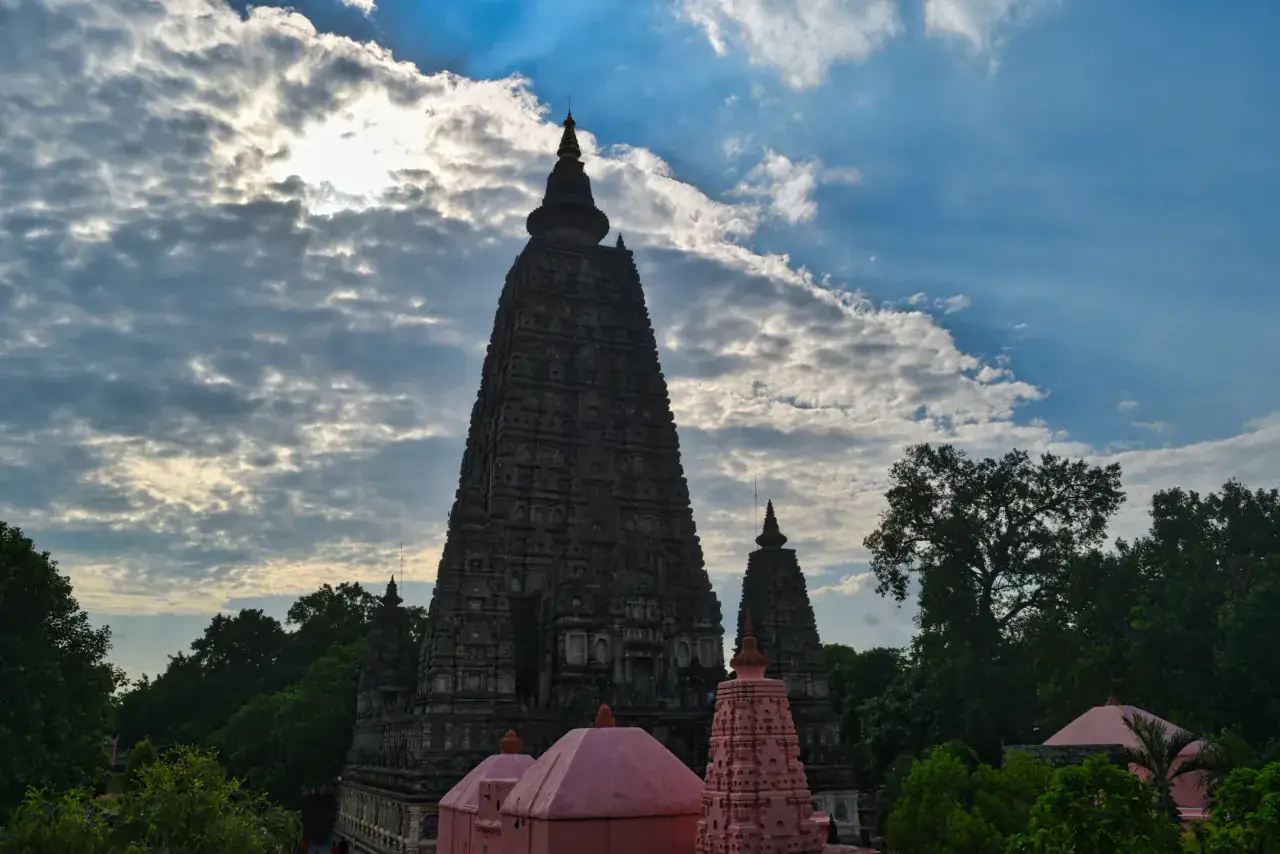
Bodhgaya is a separate sacred destination associated with the Buddha's awakening. Families who wish to visit may spend quiet time at the Mahabodhi Temple after completing the Gaya rites.
AT THIS STAGE
Visit the Mahabodhi Temple and Bodhi Tree, if chosen
Observe the site's silence, security and photography guidance
Keep unstructured time for prayer, reflection or rest
HOW WE PREPARE YOUR FAMILY
Optional visit timed only after the Gaya rites are complete
Transport and current entry conditions checked in advance
Rest at the hotel remains available whenever that better serves the family
Mahabodhi Temple illuminated at dusk in Bodhgaya
09
RAMESHWARAM THE CIRCLE CLOSES

Ganga Jal Abhishekam — completing the circuit at Rameshwaram

Gaṅgā-jala-abhiṣekaḥ
“Worship with Ganga water.” The offering of sacred water to Ramanathaswamy forms the concluding symbol of this customary circuit.
RAMANATHASWAMY TEMPLE TRADITION · FORM CONFIRMED WITH THE PANDIT

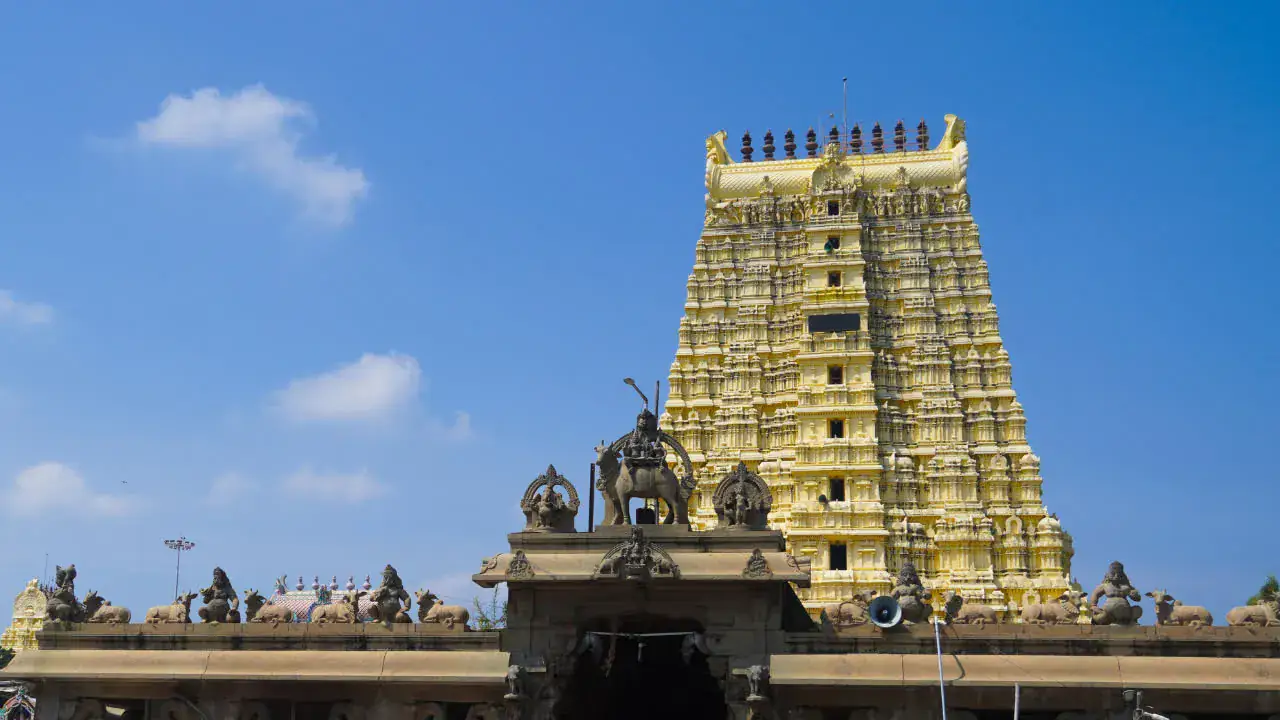
The family returns south carrying the sacred water collected in Prayagraj or Kashi, according to the agreed practice. At Rameshwaram, the concluding worship or abhishekam is performed in the form permitted by current temple practice and arranged with the officiating pandit.
AT THIS STAGE
Bring the sealed sacred water to the appointed ritual point
Participate in the concluding worship or abhishekam as permitted
Offer final prayers and receive Ramanathaswamy darshan
HOW WE PREPARE YOUR FAMILY
Current temple procedure and pandit confirmed before the final morning
Safe custody of the sacred water supported throughout the journey
Enough time kept for the concluding worship before departure
The gopuram of Ramanathaswamy Temple in Rameshwaram
The long carved-pillared corridor inside Ramanathaswamy Temple
THE SACRED PLACES OF THE CIRCUIT

Understand each sacred place before your family arrives.

Each place contributes its own religious meaning, temple customs, physical conditions and pace. These summaries prepare you for the journey; the dedicated city guides provide the fuller detail.
The long carved-pillared corridor inside Ramanathaswamy Temple
Ramanathaswamy Temple and pilgrims bathing at Agni Theertham
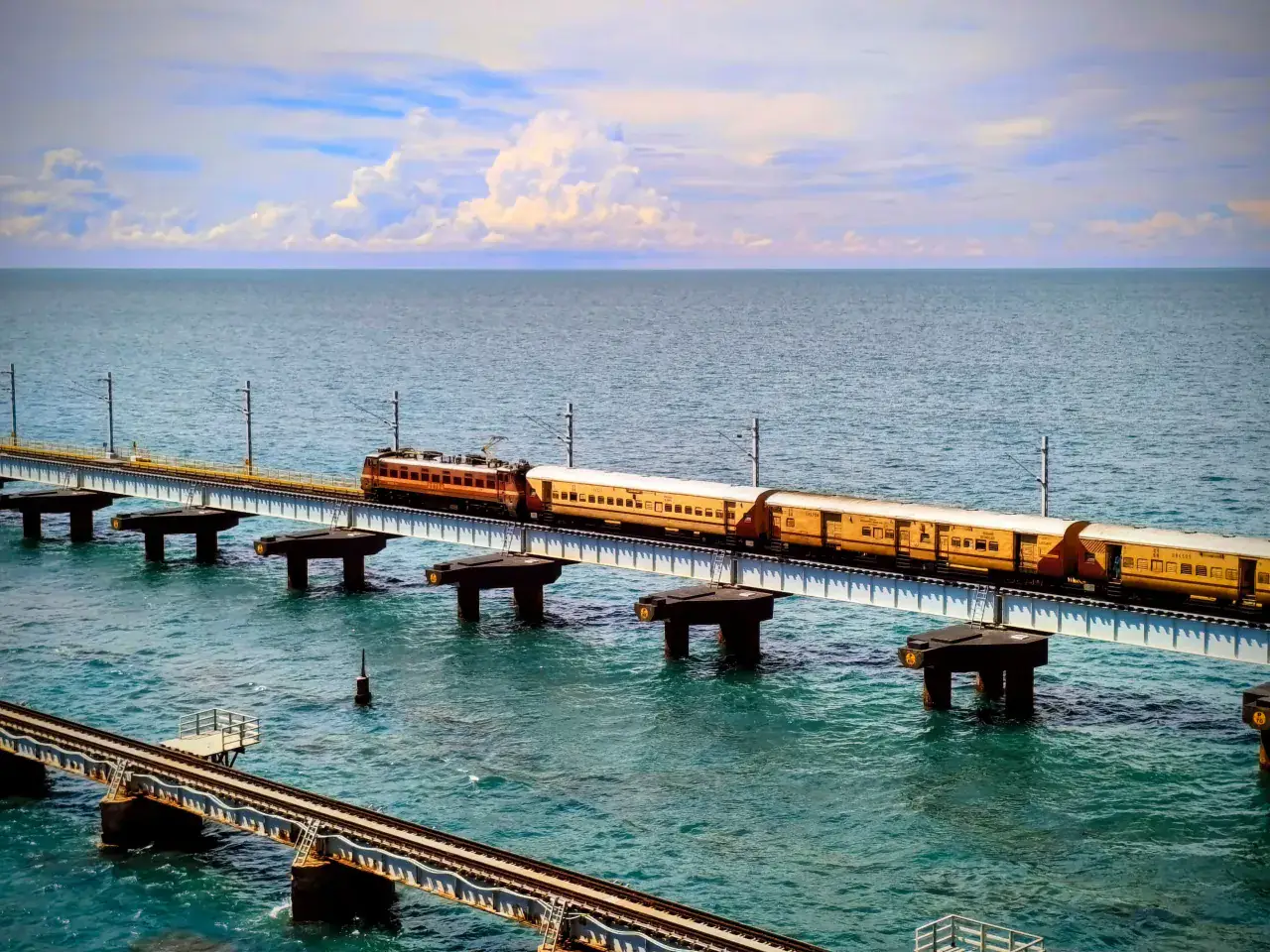
A train crossing the Pamban railway bridge over the sea

Rameshwaram

THE SOUTHERN BEGINNING AND RETURN

Rameshwaram is an island pilgrimage town in Tamil Nadu, connected to the mainland across Pamban and centred on Sri Ramanathaswamy Temple. In the customary circuit described here, it is both the opening and concluding tirtha.
SACRED CONTEXT
The Setu Mahatmya of the Skanda Purana celebrates the sacred landscape of Setu and the worship of Shiva associated with Sri Rama. Temple tradition reveres Ramanathaswamy as one of the twelve Jyotirlingas. Families may hear regional variations in the account; the shared centre is devotion to Rama, Shiva and the sanctity of the Setu.
THE TEMPLE ITSELF
Sri Ramanathaswamy Temple is known for its long pillared corridors and twenty-two internal theerthams. Access, bathing procedures and darshan arrangements are governed by current temple practice, so the ritual day is confirmed close to travel.
The long carved-pillared corridor inside Ramanathaswamy Temple
TEMPLES AND SACRED SITES TO CONSIDER
Ramanathaswamy Temple Agni Theertham The 22 theertham wells Panchamukhi Hanuman Kothandaramaswamy Dhanushkodi Pamban viewpoint
PLAN WITH CARE
Weather and season
October to March usually offers gentler weather. Heat, rain and wind vary, so current conditions are checked near travel.
Dress
Bring modest, easy-to-change traditional clothing and a separate dry set. Any current temple-specific requirement is confirmed before the visit.
Pace
Allow an arrival night before the principal rites and sufficient time for the concluding visit if your circuit returns here.
A priest raises a multi-tiered lamp during Ganga Aarti in Varanasi
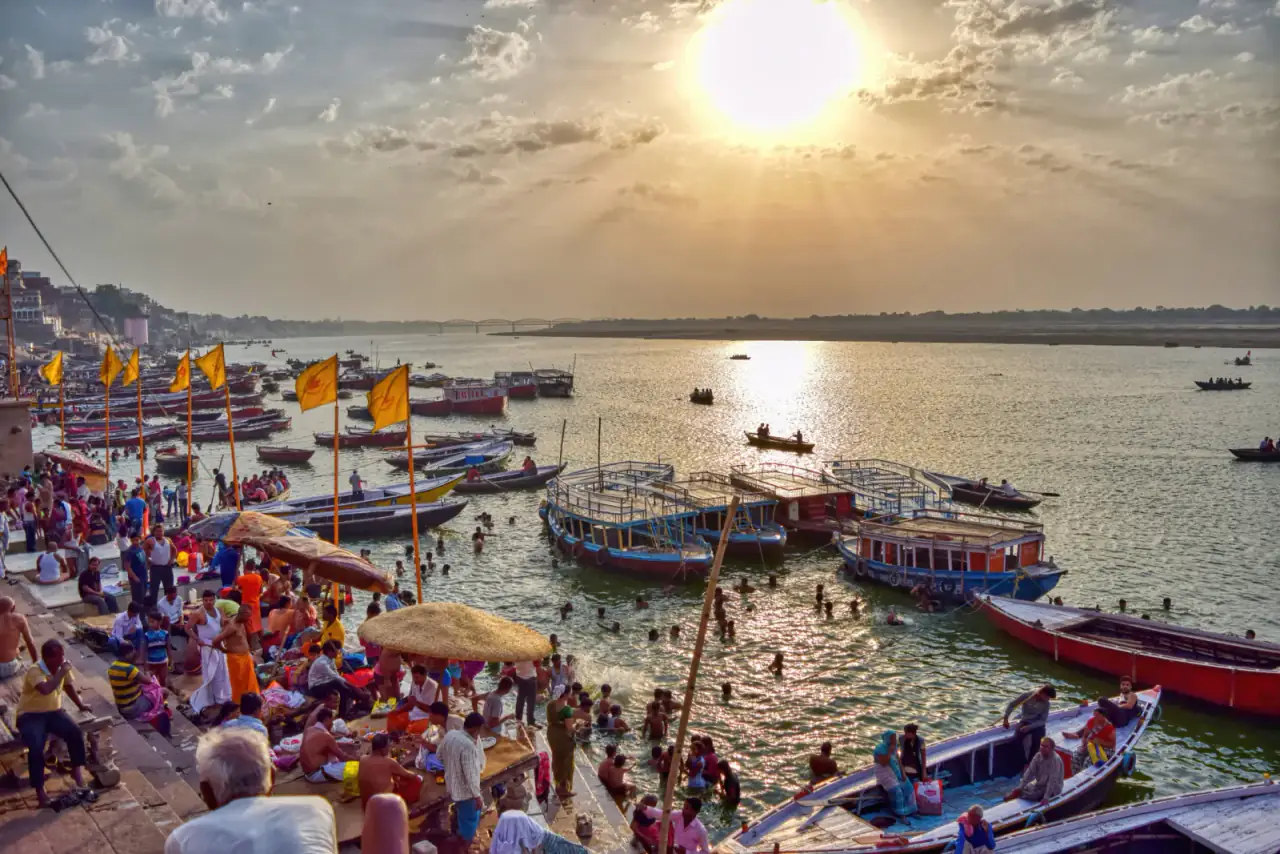
Boats and the Varanasi ghats in the soft light of dawn
A narrow old-city lane in Varanasi

Kashi · Varanasi

THE CITY OF LIGHT

Kashi, also known as Varanasi, is revered as Shiva's sacred city on the Ganga. For this yatra it brings together ancestral remembrance, river worship, Jyotirlinga darshan and the living traditions of the ghats.

SACRED CONTEXT
The Kashi Khanda of the Skanda Purana extols Kashi as Avimukta, the city never forsaken by Shiva. Its sacred geography gives special importance to the Ganga, Kashi Vishwanath and acts of remembrance performed with proper sankalpa.
THE TEMPLES
Kashi Vishwanath is the principal Jyotirlinga darshan. Annapurna Devi and Kaal Bhairav are commonly included, while other temples are selected according to family tradition, available time, current openings and walking capacity.
A priest raises a multi-tiered lamp during Ganga Aarti in Varanasi
TEMPLES AND SACRED SITES TO CONSIDER
Kashi Vishwanath Annapurna Devi Kaal Bhairav Mahalakshmi Durga Temple Tulsi Manas BHU New Vishwanath Dashashwamedh Ghat Manikarnika Ghat
PLAN WITH CARE
Weather and season
October to March is generally cooler; winter mornings on the river can be cold and foggy. Summer heat and monsoon conditions require a different pace.
Nights here
The number of nights is chosen around the rites, temple visits and any road journeys to Prayagraj or Gaya.
Photography and dignity
Photography is inappropriate or restricted at several ritual and cremation areas. Follow the coordinator's and local authorities' guidance.
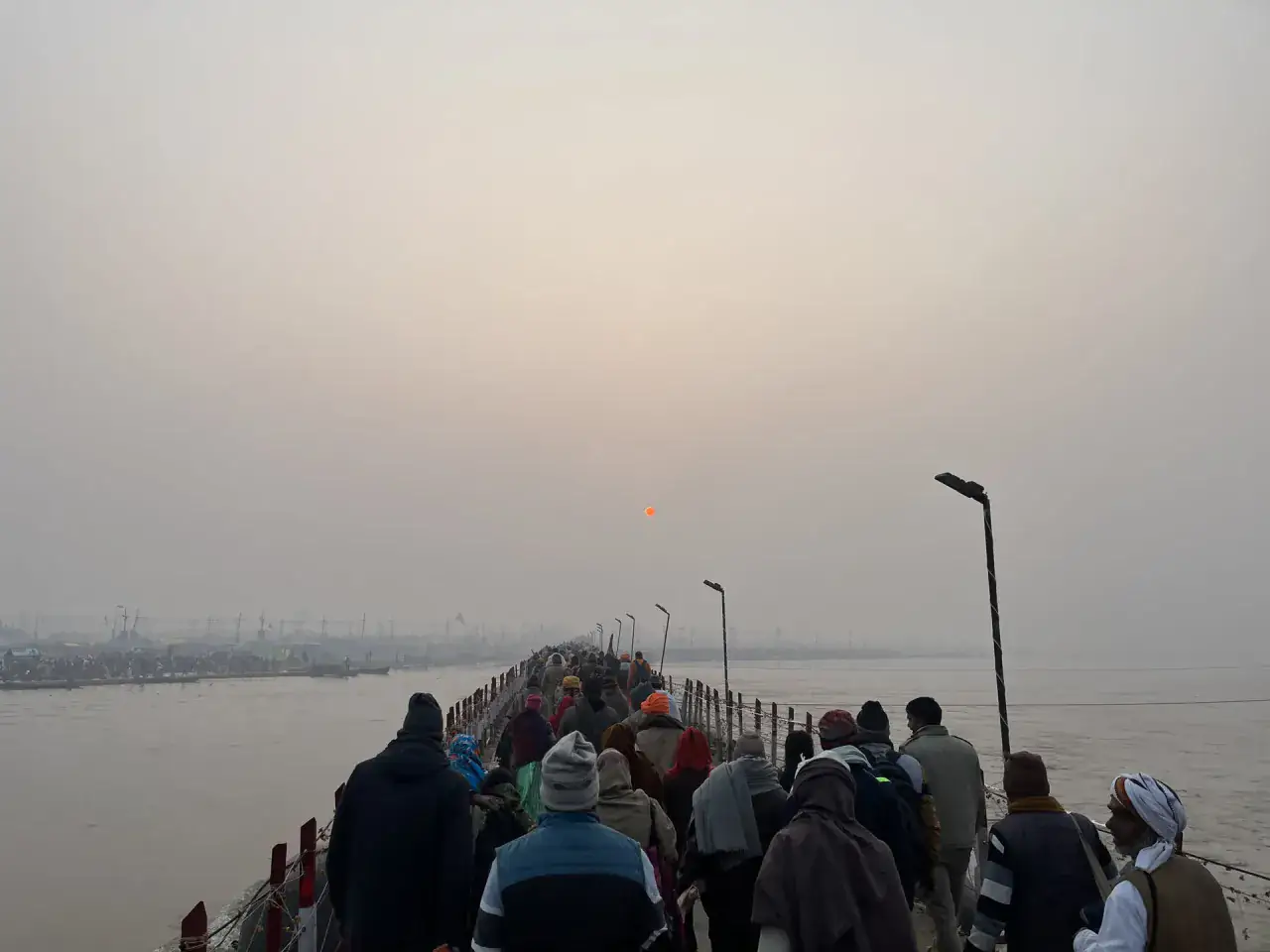
Pilgrims walking along a pontoon approach to the Sangam in morning mist
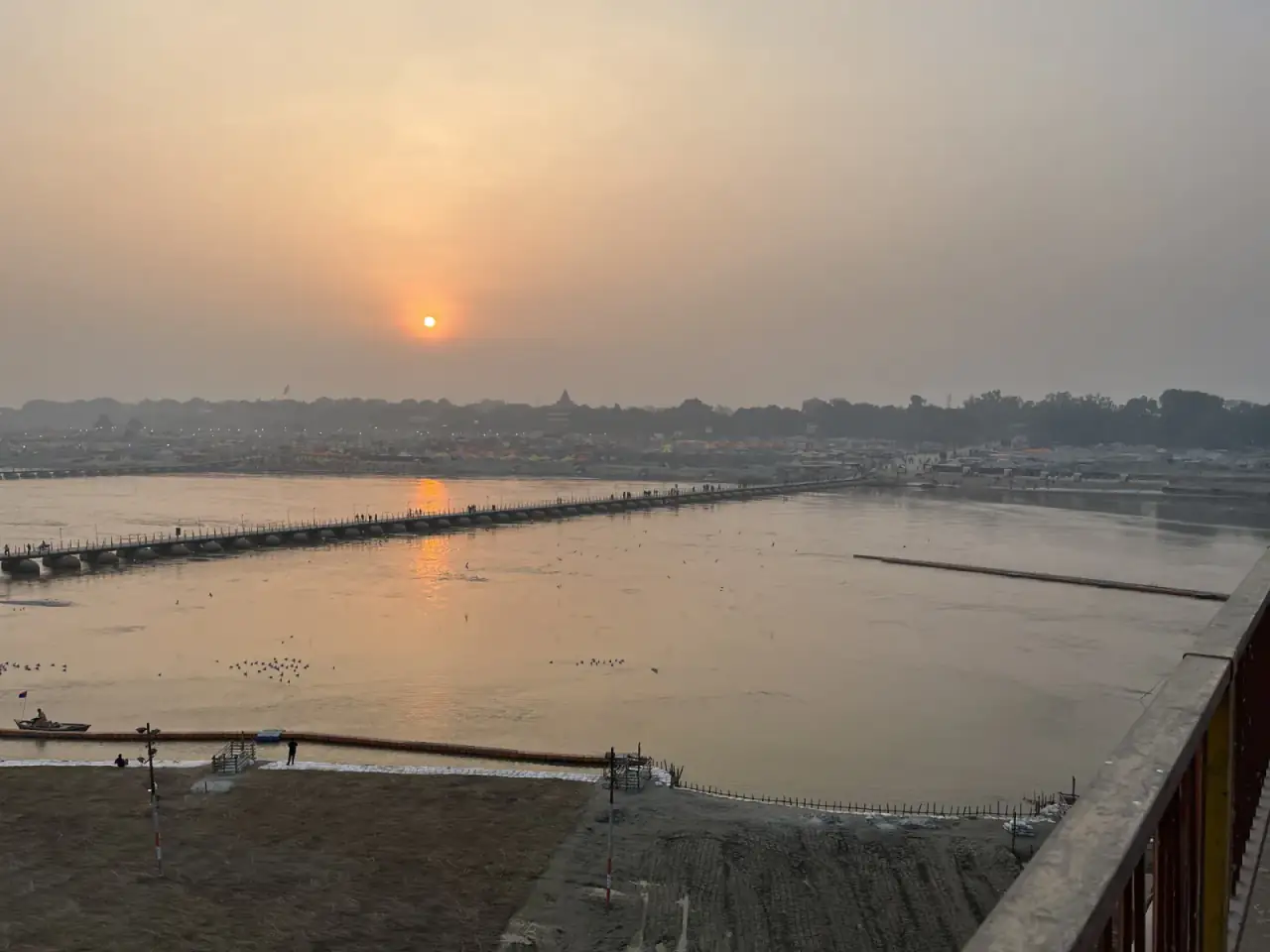
The Triveni Sangam at first light in Prayagraj
Pilgrims gathered on the Sangam sands in Prayagraj

Prayagraj

THE SACRED CONFLUENCE

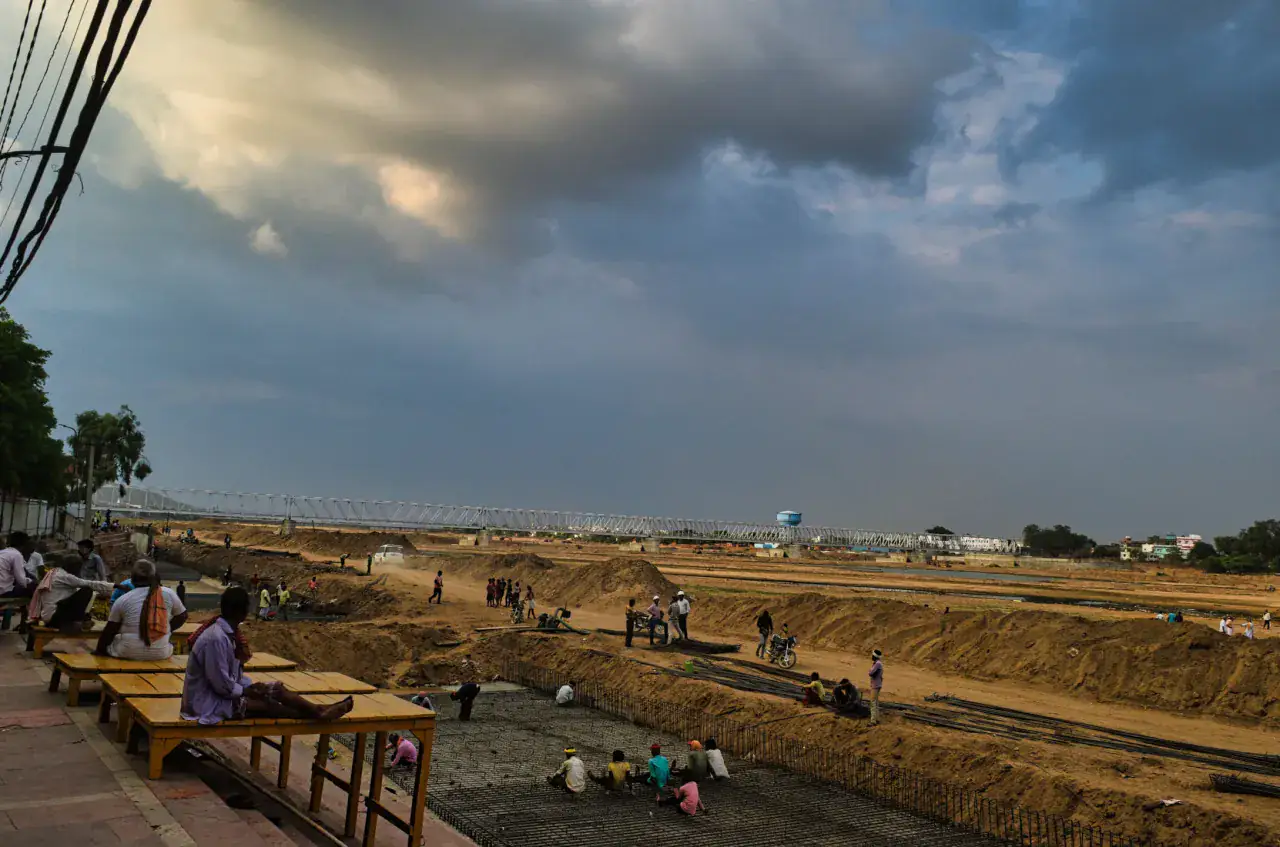
Prayagraj is home to the Triveni Sangam, where the Ganga and Yamuna meet and Saraswati is revered as present unseen. In this circuit, it is the point at which the northward offering is completed and sacred water may begin the return south.
SACRED CONTEXT
The Prayaga Mahatmya of the Matsya Purana praises Prayaga as Tirtharaja, foremost among tirthas. The confluence has long been a place for snana, dana, ancestral observances and pilgrimage, especially during Magha.
THE CONFLUENCE
Access to the Sangam depends on river level, weather and local rules. A pandit guides the sankalpa, offering and bathing observance at the safe, permitted point; families who should not enter the water can follow an appropriate alternative.
The Triveni Sangam at first light in Prayagraj
TEMPLES AND SACRED SITES TO CONSIDER
Triveni Sangam Veni Madhav Bade Hanuman ji Alopi Devi Akshayavat, Patalpuri Anand Bhavan
PLAN WITH CARE
Weather and season
October to March is generally comfortable, though winter fog and mela crowds can affect timings. Monsoon river levels may alter boat access.
Sangam access
Boat access is arranged where conditions and local rules allow. Boarding assistance is planned, and a land-based alternative is discussed when needed.
Mela periods
Magh Mela and Kumbh periods require a dedicated access and timing plan.
The stone exterior of Vishnupad Temple in Gaya
The broad, dry riverbed of the Phalgu at Gaya
Mahabodhi Temple illuminated at dusk in Bodhgaya

Gaya · Bodhgaya

THE SACRED LAND OF ANCESTRAL RITES

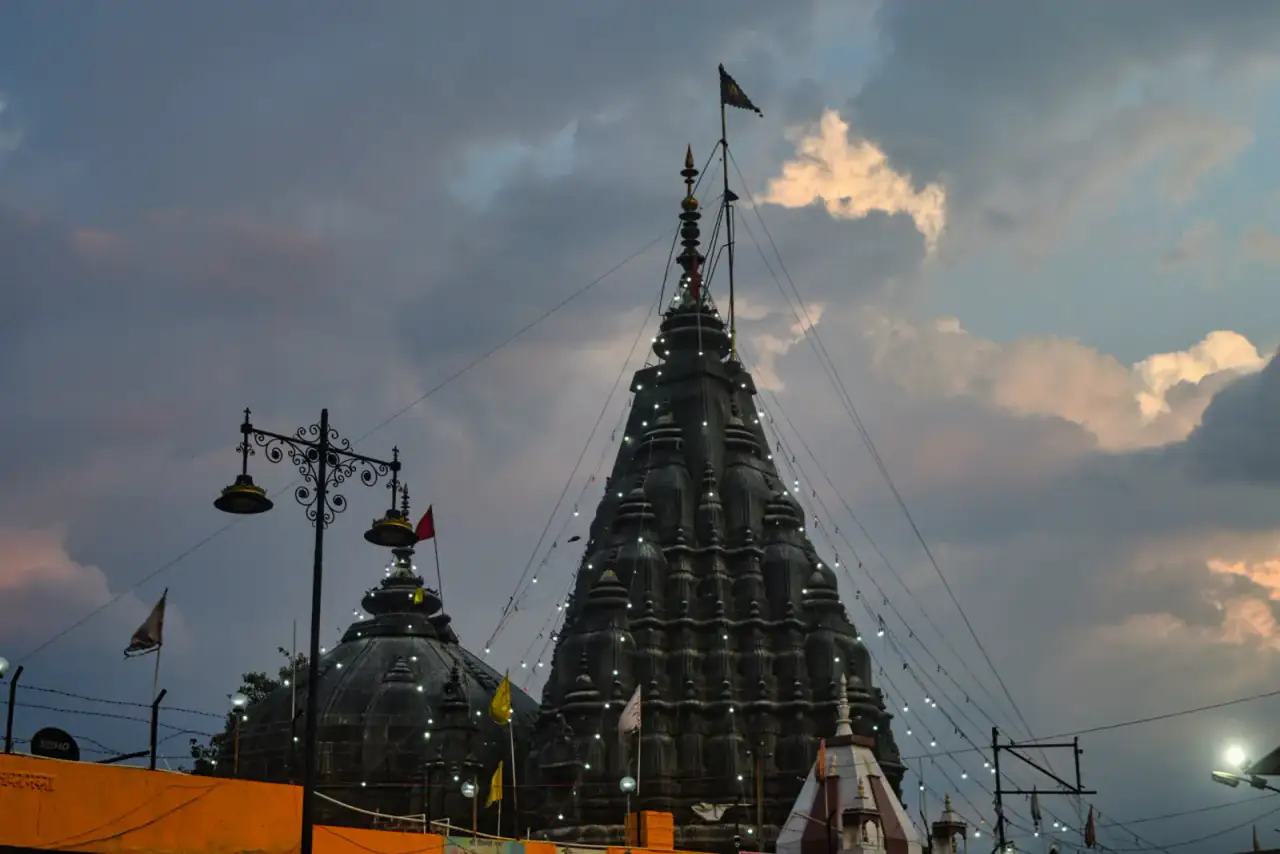
Gaya is one of the foremost places for ancestral rites, centred on Vishnupad, the Phalgu and the sacred vedis of Gayakshetra. Nearby Bodhgaya is a separate Buddhist pilgrimage centre that families may visit after the rites.
SACRED CONTEXT
The Gaya Mahatmya explains the sanctity of Gayakshetra and the importance of Gaya Shraddha. Vishnupad is revered as the footprint of Vishnu, while Akshayavat and other prescribed places may form part of the ritual according to sankalpa and family tradition.
THE RITUAL PLACES
The places used for a family's rite are chosen by the Gaya pandit. Vishnupad, the Phalgu and Akshayavat are widely known, but the exact sequence and number of vedis can vary. We confirm the plan before the ritual morning and allow the pandit's guidance to lead.
The stone exterior of Vishnupad Temple in Gaya
TEMPLES AND SACRED SITES TO CONSIDER
Vishnupad Temple Akshaywat Phalgu river bank Mangla Gauri Mahabodhi Temple Great Buddha statue Bodhi tree
PLAN WITH CARE
Weather and season
October to March is usually more comfortable. Peak summer heat calls for earlier rites and more rest.
Ritual pace
Allow an unhurried morning. Seating, shade and drinking water are considered wherever local conditions permit.
Pitru Paksha
Pitru Paksha brings exceptional crowds and a deeply devotional atmosphere. Travel and ritual arrangements must be planned specifically for that period.
A CUSTOMISABLE DAY-BY-DAY SHAPE

A practical way to complete the circuit in nine or ten days.

This sample nine-day plan keeps the connected circuit together while using Kashi as the northern base. It suits families comfortable with early starts, internal flights and several substantial road journeys.

DAY
1
Arrive in Madurai and settle into Rameshwaram
Your family is received at Madurai and guided on the road journey to Rameshwaram. The remaining day is kept for check-in, rest and a short briefing before the early ritual programme.
Arrival Private road journey Rest
DAY
2
Rameshwaram: opening rites and darshan
The family follows the Rameshwaram sequence confirmed with the pandit—commonly including Agni Theertham, the temple theerthams, Ramanathaswamy darshan and any Setu-sand observance agreed for the circuit. Onward travel is timed only after the sacred programme is complete.
Agni Theertham Temple theerthams Setu observance, if applicable
DAY
3
Travel north to Kashi
Travel north to Varanasi on the most suitable available air routing. After arrival and check-in, the evening can remain free or include a gentle first visit to the Ganga.
Air travel Arrival and settling in
DAY
4
Prayagraj: the Sangam stage
Proceed to Prayagraj at a time chosen for river conditions. The pandit guides the Sangam observances, the Setu-sand offering where applicable and collection of sacred water for the concluding worship. Stay in Prayagraj or return to Kashi according to the chosen pace.
Sangam observances Setu offering, if applicable Sacred water collected
DAY
5
Kashi rites and onward travel towards Gaya
The Kashi ritual programme is performed at the agreed place and time, followed by the principal temple darshan possible that day. Dampathi Pooja or another household observance is included only when advised. Onward travel towards Gaya is planned around the family's energy.
Kashi rites Pind Daan Household pooja, if advised
DAY
6
Gaya: the ancestral rites
The Gaya pandit leads Pind Daan and related ancestral offerings at the places prescribed for the family. Bodhgaya is an optional, separate visit after the rites. The night halt is chosen to avoid an unnecessarily exhausting return.
Vishnupad Akshayavat Phalgu Bodhgaya optional
DAY
7
Kashi darshan at a measured pace
Continue the Kashi darshan programme at a measured pace. Kashi Vishwanath, Annapurna Devi and Kaal Bhairav are commonly prioritised; other temples and Ganga Aarti are fitted around current access and the family's wishes.
Vishwanath Kaal Bhairav Ganga Aarti
DAY
8
Return south with the sacred water
Travel south on the most suitable available routing and return to Rameshwaram with the sacred water kept safely. The evening is reserved for rest and confirmation of the final temple procedure.
Air travel Private road journey
DAY
9
Concluding worship and onward journey
Complete the concluding worship at Ramanathaswamy in the form confirmed by the temple pandit. After darshan, travel to Madurai for the onward journey, with departure timing kept realistic.
Abhishekam Final darshan Departure
Your proposal is prepared after we understand the dates, family size, ritual requirements, hotel preference and preferred pace. It sets out the planned inclusions clearly, and every part can be discussed before confirmation. Request a family yatra plan
PERSONAL GUIDANCE FOR YOUR FAMILY

When you are ready, let us understand your family's yatra.

Share your starting city, preferred month, family size and the rites you wish to understand. A coordinator will speak with you, consult the appropriate pandits where needed and prepare a clear, customisable plan for your family.

Plan our Kashi Rameshwaram Yatra Call +91 77540 97777 Your details are used only to respond to this yatra enquiry.
Thoughtful guidance, shaped around your family and sacred purpose.