Skip to content
Kashi Rameshwaram Tour Packages Enquire
Home · Sacred cities · Rameshwaram
SOUTHERN TIRTHA · RAMANATHASWAMY · SETU TRADITION

Rameshwaram brings the yatra to the sea and to Ramanathaswamy.

In one customary Kashi–Rameshwaram circuit, a family begins with observances associated with the Setu and later returns with Ganga water for the permitted offering at Ramanathaswamy Temple. Other families make one Rameshwaram visit or undertake a darshan-led yatra. The form is confirmed before the route is fixed.
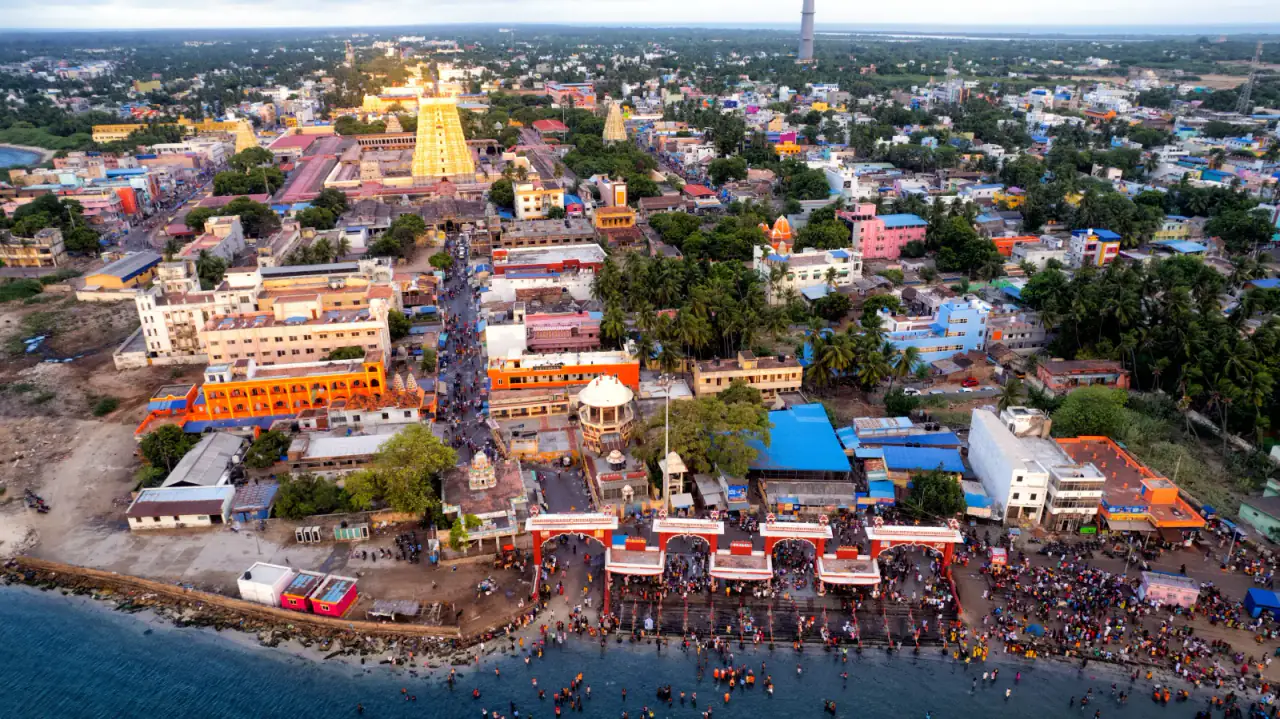
Aerial view of Ramanathaswamy Temple and Rameshwaram town beside Agni Theertham
ROLE IN THE YATRA
Southern sacred place; the order depends on your family
POSSIBLE OBSERVANCES
Sea, tirtha snanam, darshan and offerings as advised
ARRIVAL OPTIONS
Road and rail plans checked for your dates
WHEN TO COME
Sacred dates, weather and comfort considered together
Ramanathaswamy Temple and pilgrims bathing at Agni Theertham
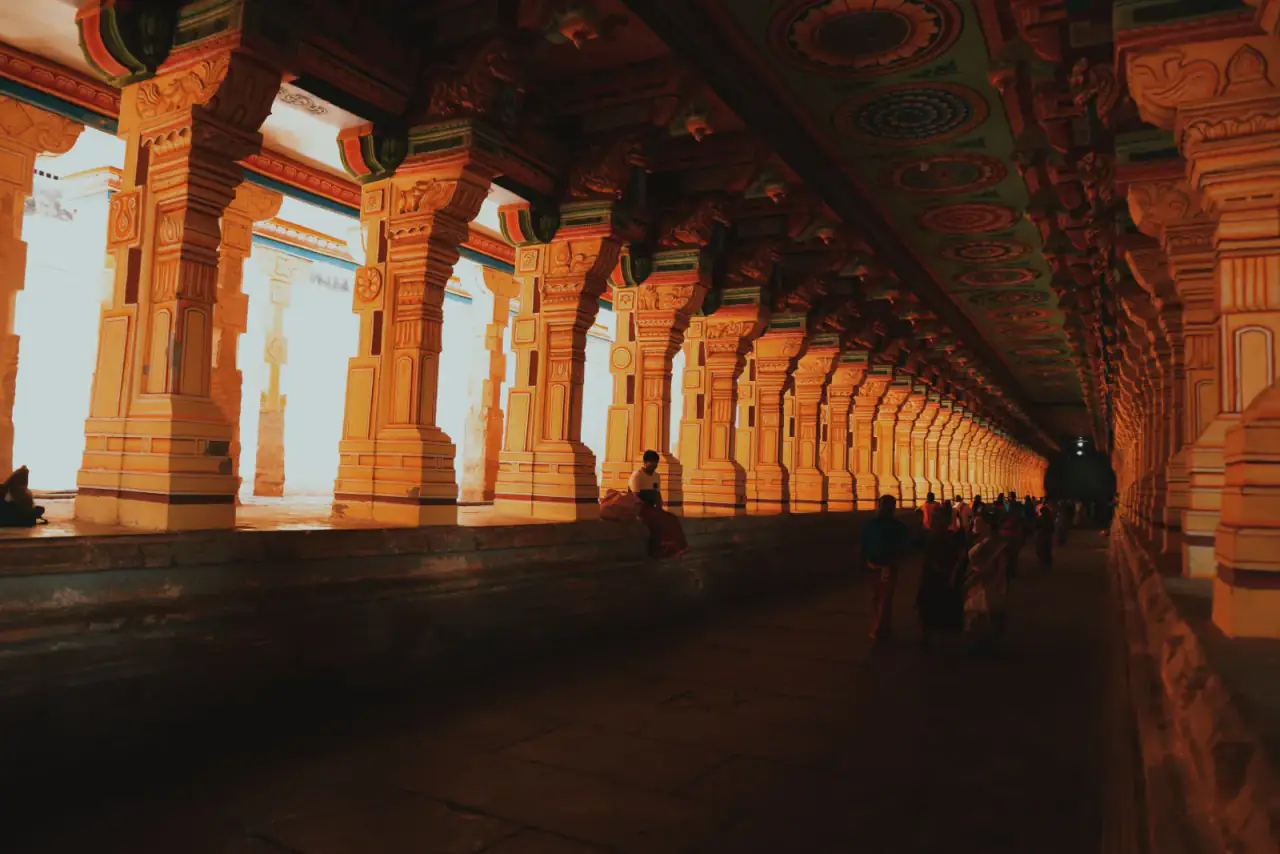
The long carved-pillared corridor inside Ramanathaswamy Temple
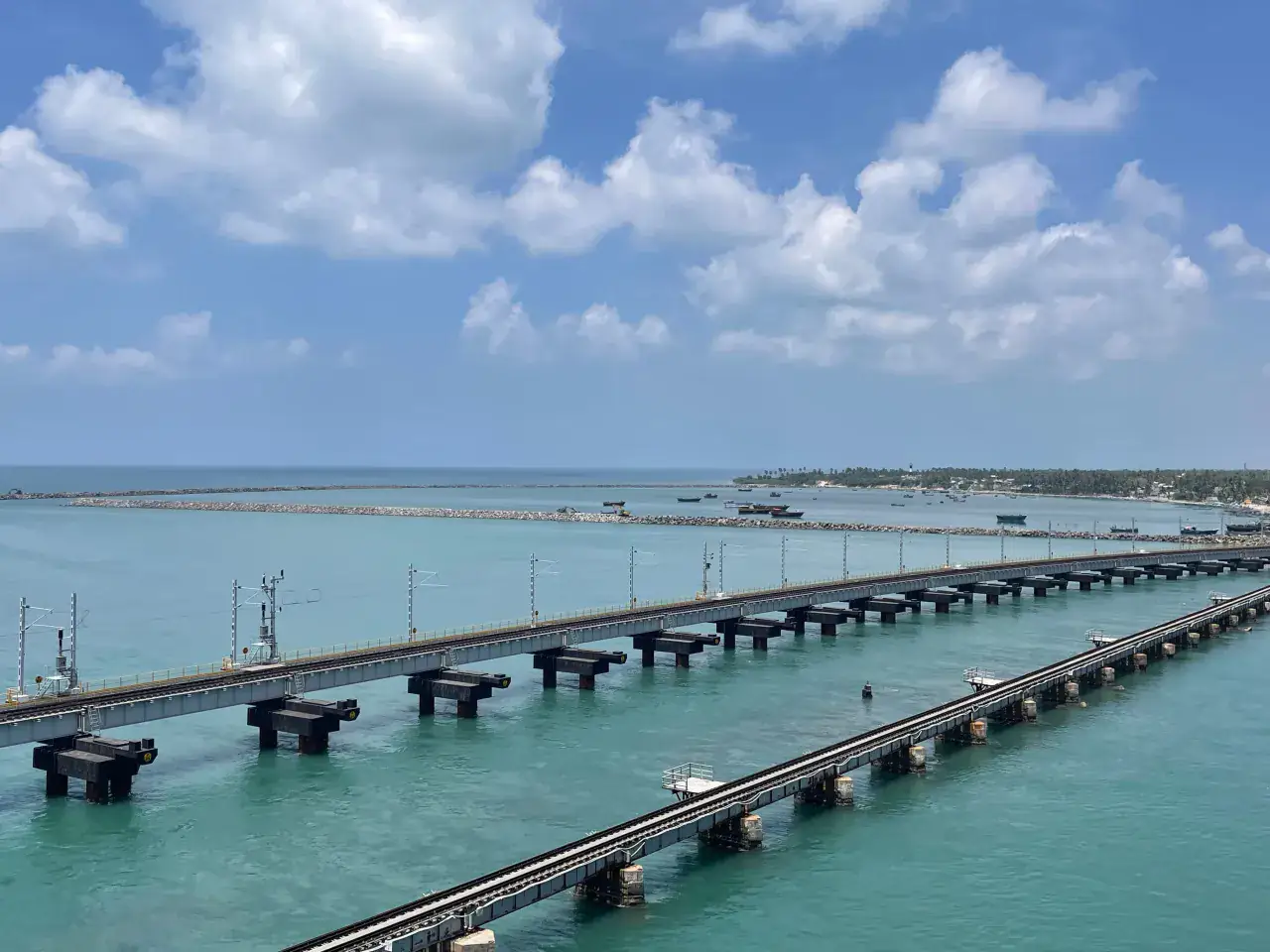
The Pamban railway bridge seen from the road crossing to Rameshwaram
RAMESHWARAM WITHIN THE YATRA

The southern sacred place within a route shaped for your family’s prayerful purpose

SACRED TRADITION

Rama, the Setu and the worship of Shiva at Rameshwaram

Rameshwaram's sacred memory joins Rama's passage towards Lanka, the Setu and devotion to Shiva. The Setu Mahatmya of the Skanda Purana praises this tirtha and the merit of remembering, beholding and worshipping at the Setu. A family's present-day observance should be understood within that sacred setting without claiming that every visitor must follow one identical ritual sequence.
The Setu is remembered before the ritual details
The Setu Mahatmya honours the sacred sight and remembrance of the Setu. This helps a first-time pilgrim understand why Rameshwaram is a tirtha in its own right, whether the journey includes an ancestral rite, a Ganga-jal offering or darshan alone.
SETU MAHATMYA · SKANDA PURANA
The long carved-pillared corridor inside Ramanathaswamy Temple
OBSERVANCES AT RAMESHWARAM

How a two-visit Setu–Ganga circuit may be arranged

Some traditions connect an opening stay at Rameshwaram with a later return carrying Ganga water from the north. The details below explain that recognised form. Your pandit will help decide the prayerful purpose (sankalpa), who leads the rites and their order, while the current temple instructions are checked before the visit.

OPENING STAY WHEN INCLUDED
The southern sankalpa and preparation
After adequate rest, the family undertakes the Rameshwaram observances agreed for its prayerful purpose. The pandit explains the timing and materials, and the latest temple instructions are checked before the morning begins.
The pandit confirms the purpose, performer and sankalpa before any sea observance
Agni Theertham and the temple tirthas are included only where appropriate, permitted and manageable for the family
Shraddha, Tarpana, Pind Daan or another observance is undertaken only when advised for this place and purpose
Any sacred sand, water or offering material is handled exactly as the chosen tradition and local rules require
Ramanathaswamy darshan follows the current dress, queue, ticket and temple-access arrangements
RETURN STAY WHEN INCLUDED
The Ganga-jal offering and concluding darshan
In a two-visit circuit, the family returns with Ganga water gathered through the prescribed northern observance. The permitted offering and darshan are arranged through the appropriate temple process rather than assumed from a generic itinerary.
The source, storage and intended use of the Ganga water are confirmed before the return journey
Abhishekam or another permitted temple service is booked only after the latest temple instructions are checked
Concluding Ramanathaswamy darshan is kept unhurried within the available access window
Optional island visits are added only after darshan, rest and onward travel are protected
The onward transfer is planned around the family's actual rail or flight connection
The ritual guidance explains the purpose of these observances, who may perform them and which details should be confirmed before travel. Read the ritual guidance →
THE TEMPLE AND SACRED ISLAND

Let Ramanathaswamy lead; include the island without rushing it

Ramanathaswamy Temple, Agni Theertham and the tirtha wells may form part of the sacred plan when advised. Other island visits are optional and depend on available time, weather, local access and the family's energy.
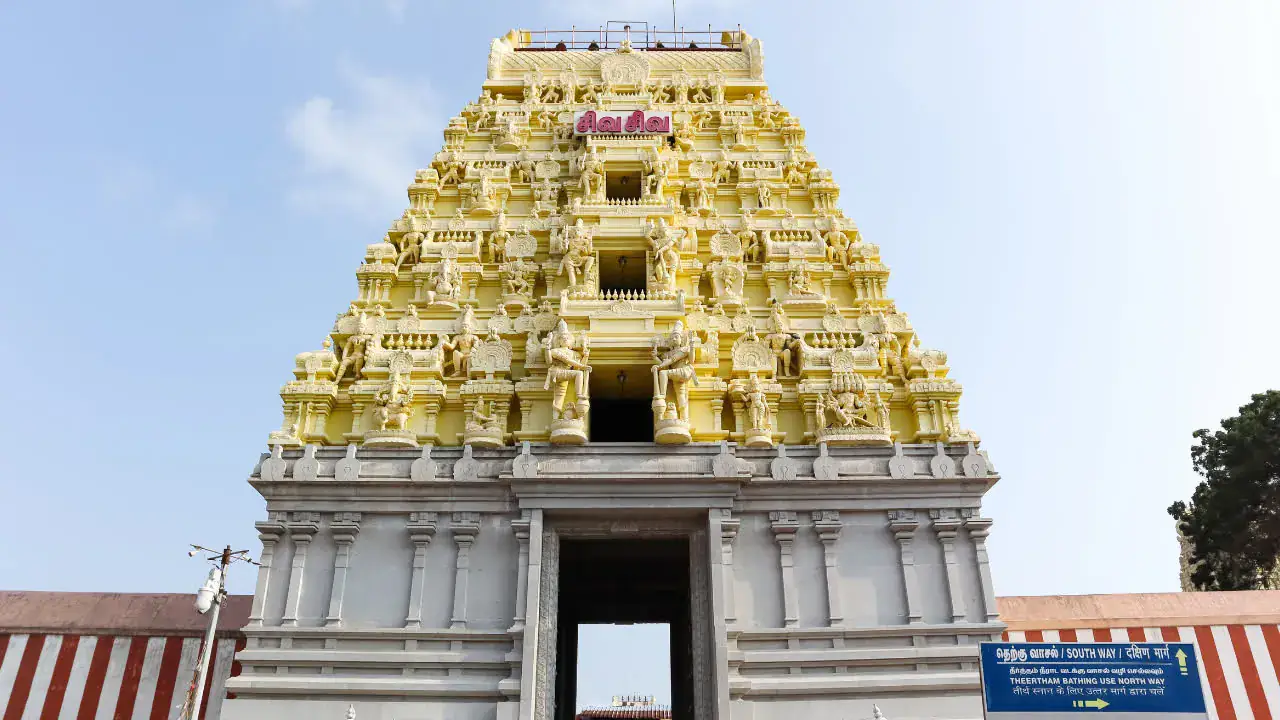
The entrance gopuram of Ramanathaswamy Temple in Rameshwaram
Ramanathaswamy Temple PRINCIPAL DARSHAN
Ramanathaswamy is revered among the twelve Jyotirlingas and within the Char Dham tradition. Its sacred complex, long pillared corridors and the temple tradition of the Ramalinga and Vishwalinga deserve patient darshan. Dress, seva, queue and visitor access are verified for the date.
Ramanathaswamy Temple and pilgrims bathing at Agni Theertham
Agni Theertham RITUAL PLACE
Agni Theertham is the sea-facing tirtha beside the temple and may be included for sankalpa or snanam according to the family's observance. Sea conditions, local instructions and physical ability govern entry. Elders and unsteady travellers receive a safer participation plan; standing waist-deep is never treated as compulsory.
The long carved-pillared corridor inside Ramanathaswamy Temple
The twenty-two temple tirthas RITUAL PLACE
The temple's tirtha snanam traditionally proceeds through twenty-two wells under an organised local sequence. Tickets, entry route, queues and accessibility can change. Wet floors, barefoot walking and repeated water pouring require honest planning for elders, children and anyone with a medical or mobility concern.
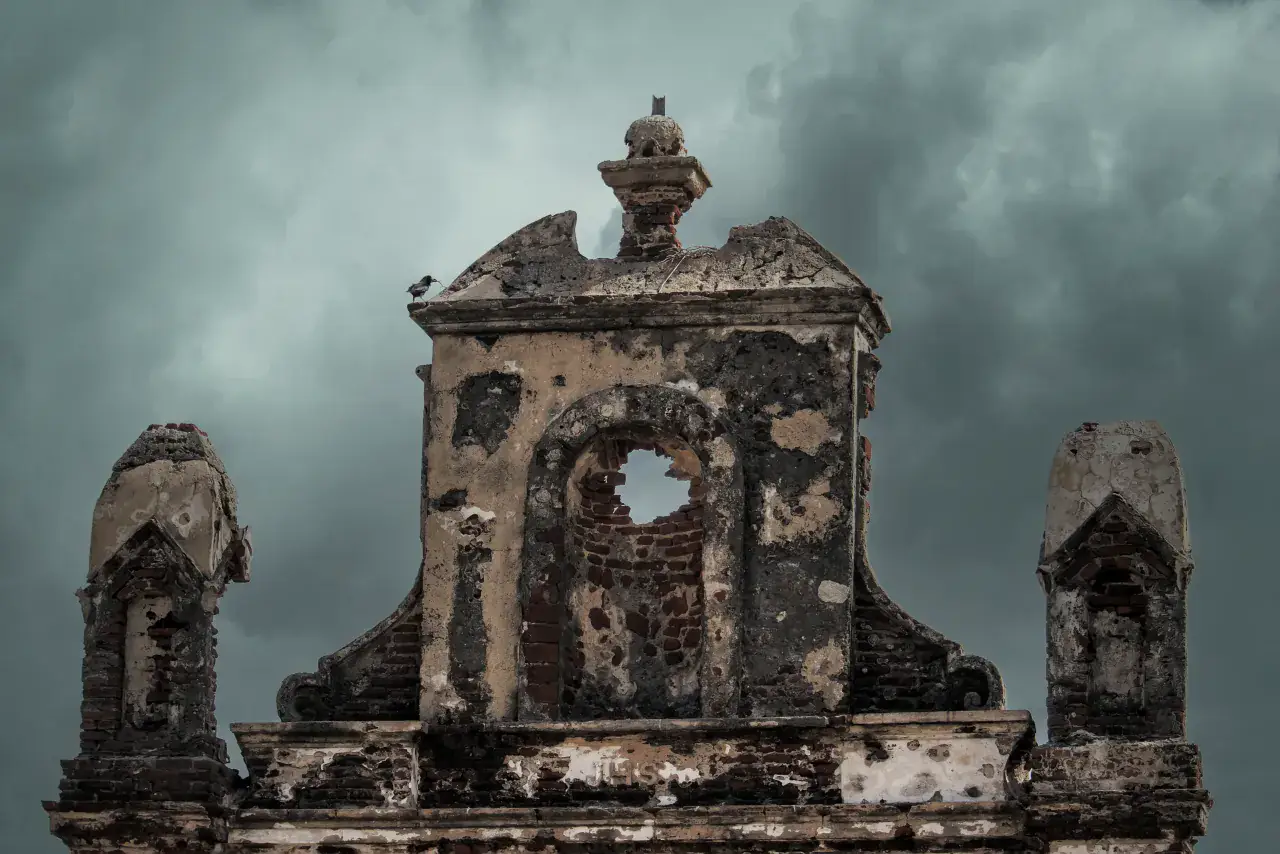
The weathered ruins of the old church at Dhanushkodi
Dhanushkodi OPTIONAL COAST VISIT
Dhanushkodi carries the memory of the town and railway devastated by the 1964 cyclone. The exposed coast is also associated with the sacred geography of the Setu. Visit only when wind, weather, road controls and family comfort permit; it should never displace the principal darshan.
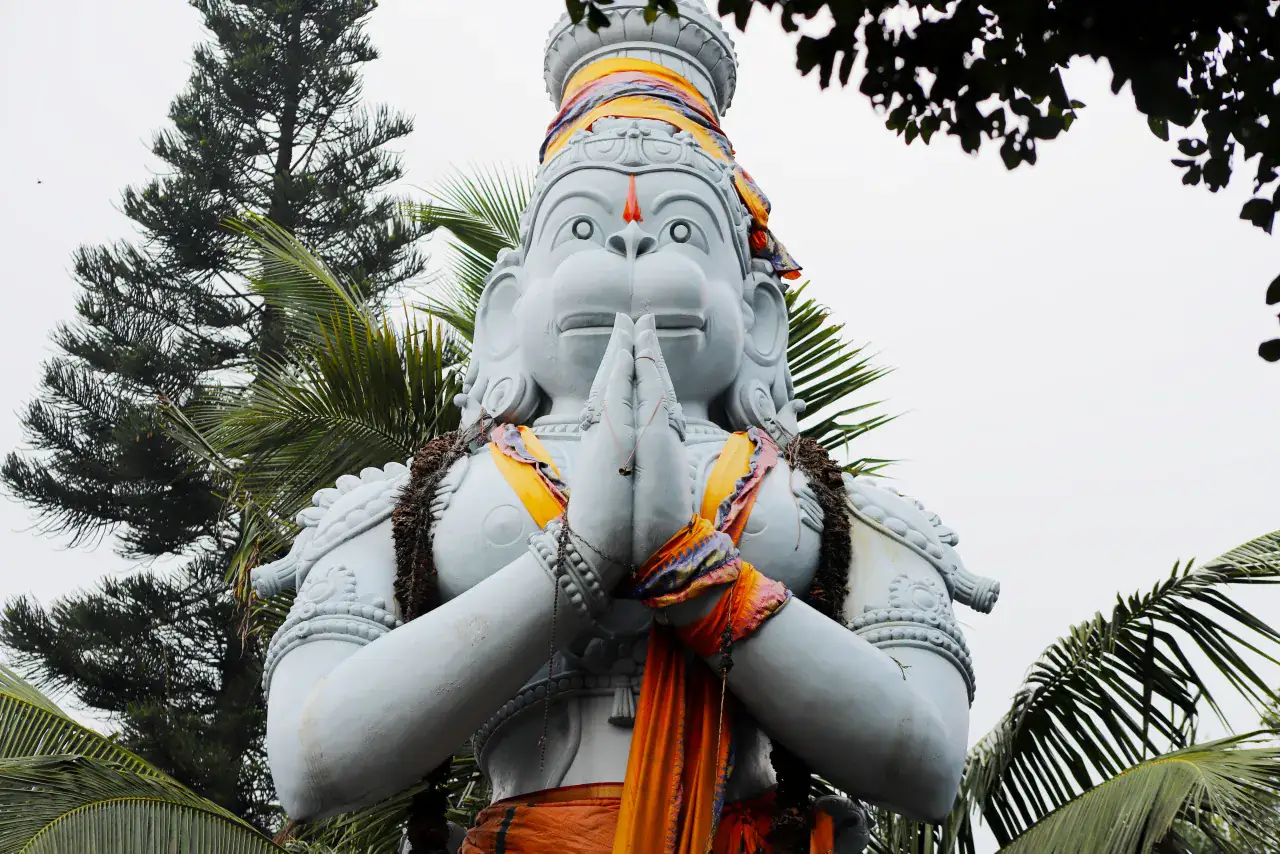
A large white image of Hanuman with folded hands among palm trees
Panchamukhi Hanuman Temple OPTIONAL TEMPLE
This Hanuman temple displays stones locally associated with the Setu tradition. It can be included as a devotional visit when current opening, queues and the family's available time allow, without presenting the display as a scientific claim.
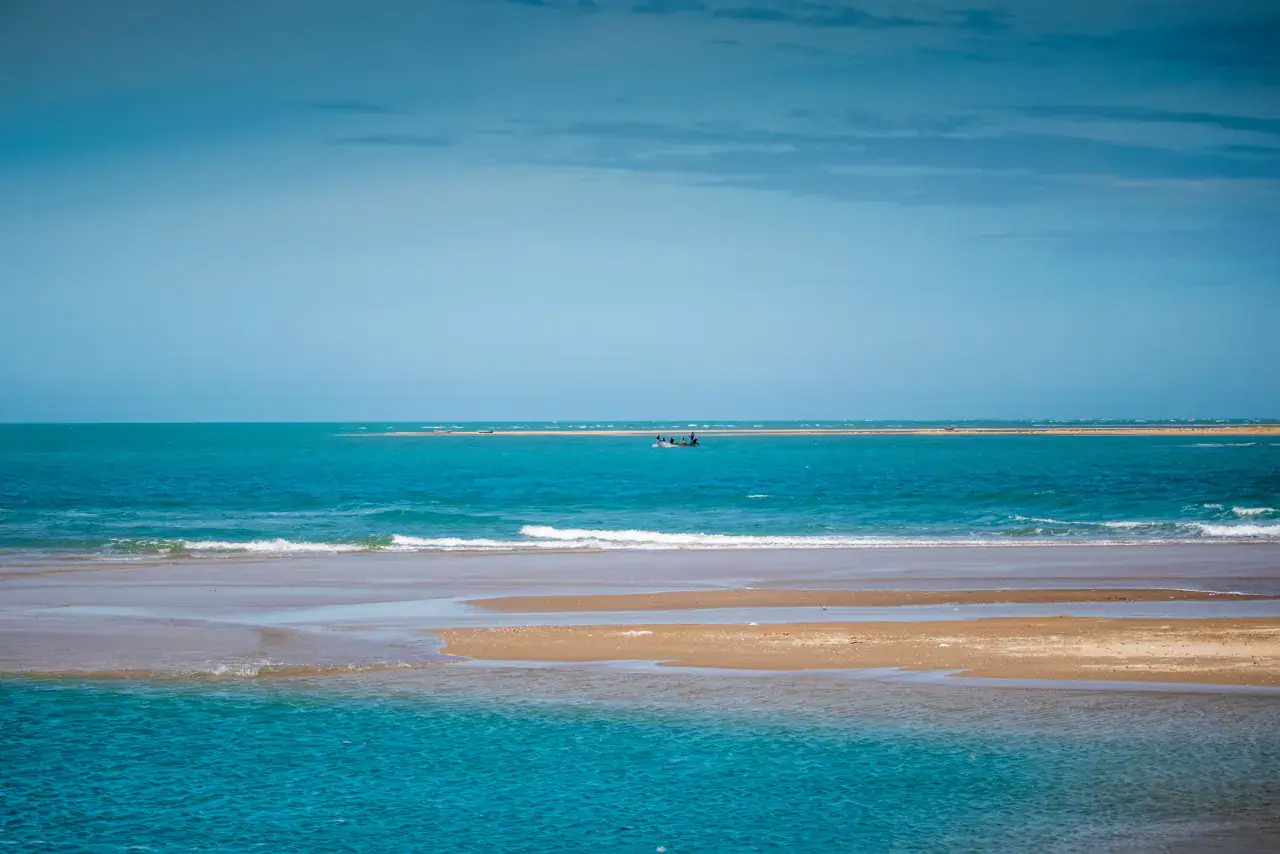
The turquoise sea and sandbars along the Dhanushkodi coast
Kothandaramaswamy Temple OPTIONAL TEMPLE
The coastal temple is associated in local sacred tradition with Vibhishana's surrender to Rama. Its remote setting deserves time and current access verification; weather or road controls may make the visit unsuitable on a particular day.
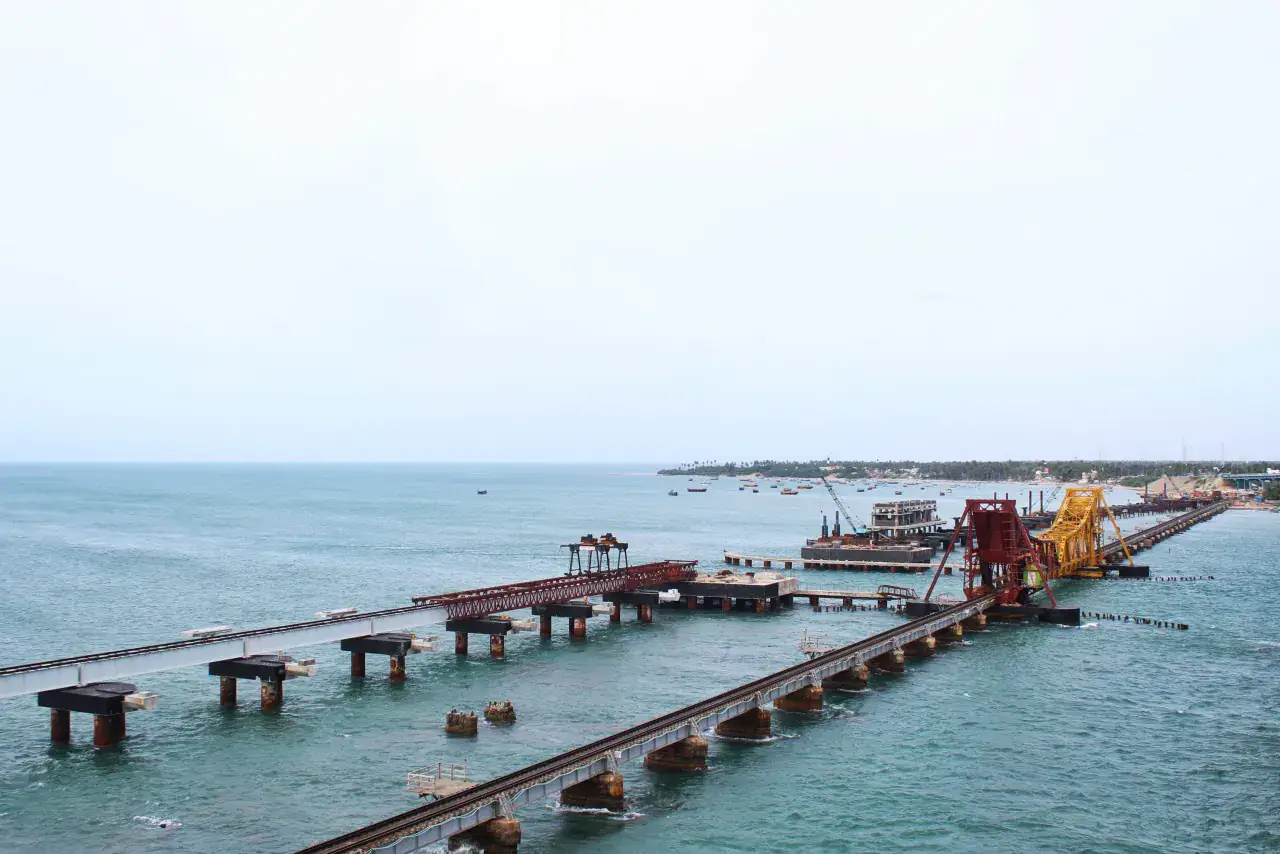
The Pamban railway crossing between mainland Tamil Nadu and Rameshwaram
Gandhamadhana Parvatham OPTIONAL SACRED SITE
This elevated shrine is associated with a footprint revered as Rama's and offers a wider view across the island. Steps, heat, crowding and current access should be considered before adding it for elders or a tightly timed day.
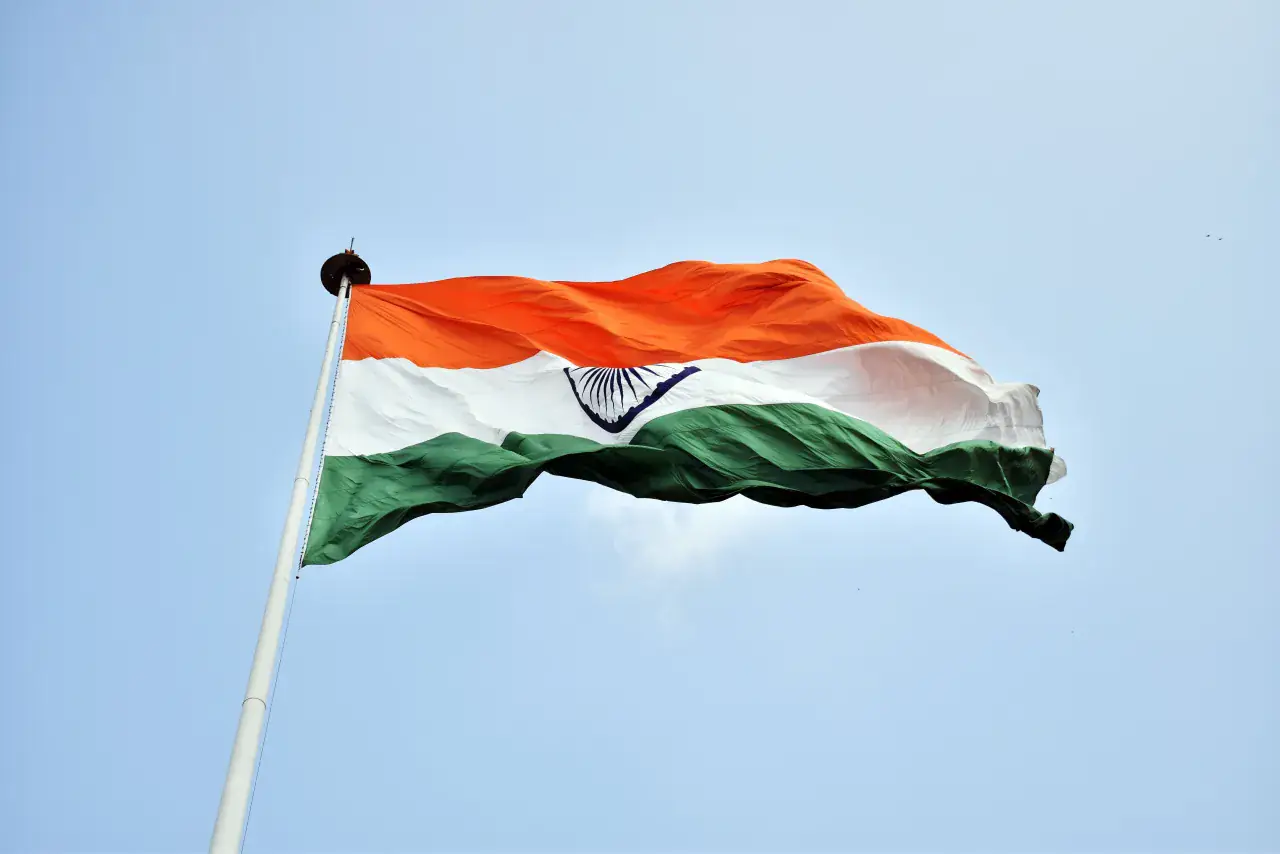
The Indian national flag flying against a clear sky
Dr APJ Abdul Kalam Memorial OPTIONAL MEMORIAL
The memorial honours Dr A.P.J. Abdul Kalam, who was born in Rameshwaram, through exhibits on his life and work. It is a worthwhile civic visit when opening hours and the family's priorities leave sufficient time after the sacred programme.
FOOD

Keep meals simple around temple and ritual mornings

Rameshwaram offers familiar South Indian vegetarian meals and light tiffin. We confirm satvik, fasting, allergy and medical dietary needs in advance, arrange an appropriate meal where included, and avoid assuming what a family wishes to eat during the pilgrimage.
Idli and pongal A warm, simple meal before or after the temple visit, timed according to the family's fasting practice and medical needs.
South Indian meals Rice with sambar, rasam, kootu or poriyal can make a familiar midday meal. Ingredients and spice level are confirmed where needed.
Filter coffee A customary local drink for those who take caffeine and dairy. It remains optional around fasting or early ritual mornings.
Satvik cooking Food without onion or garlic is arranged only after the family's requirement, meal time and kitchen availability are confirmed.
Curd rice and light meals Simple food can be helpful after travel, heat or repeated bathing. Medical dietary advice always takes priority over a general menu suggestion.
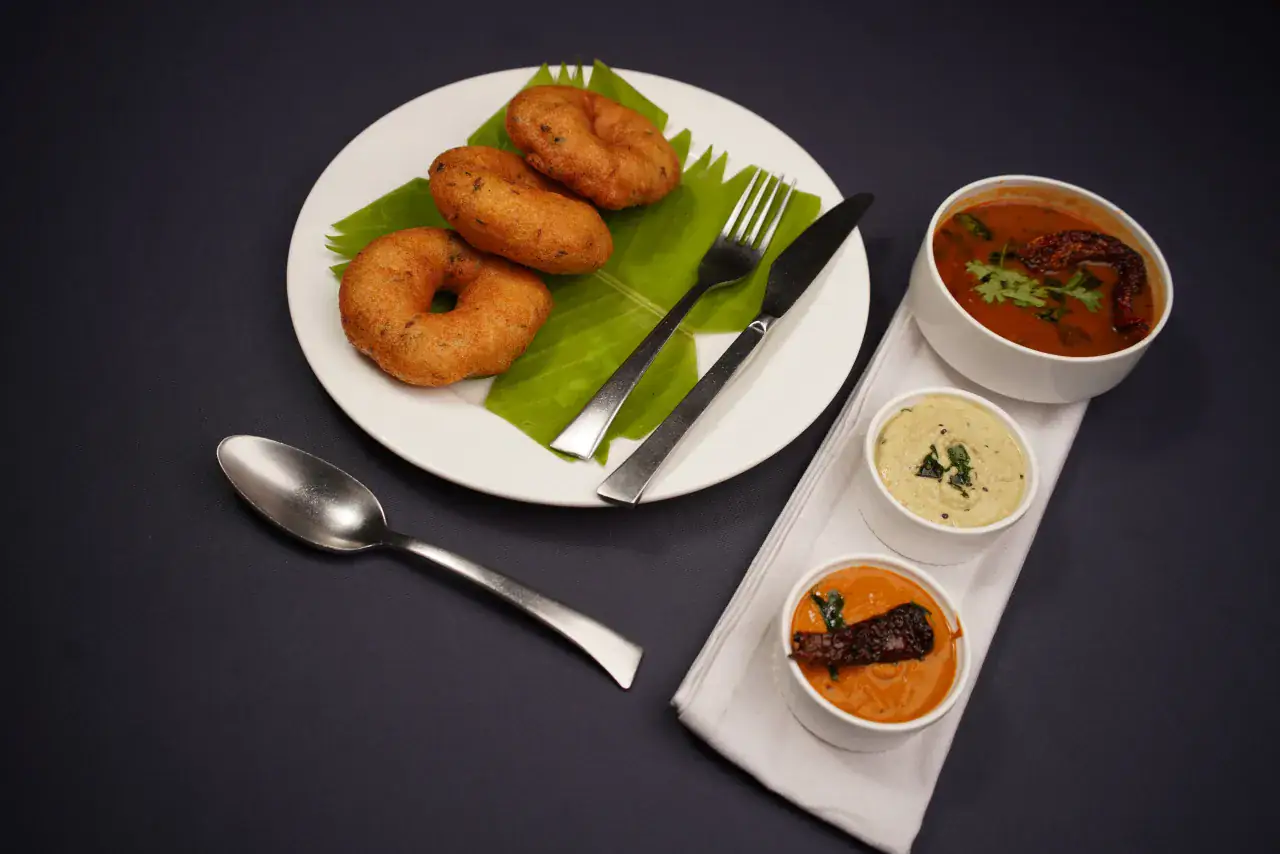
Vadai served with sambar and chutneys on a banana leaf
GETTING HERE AND AROUND
Road from Madurai
The distance is roughly 170 km. Traffic, weather, stops and the chosen approach affect travel time, so the day is not promised as a fixed three-and-a-half-hour transfer.
Arriving by air or rail
Madurai is often convenient, while a train or another regional arrival city may suit some dates better. Current schedules and the wider itinerary decide the route.
Around the island
Travel time changes with crowd controls, temple-zone drop points and the location of the stay. Mobility and an early reporting time are considered before selecting accommodation.
Towards Dhanushkodi
This exposed coastal road is subject to weather and local controls. Access is checked on the day, and the visit is dropped without hesitation if conditions are unsuitable.
SEASONS, FESTIVALS AND CROWD WINDOWS

Choose dates with sacred purpose, coastal weather and family comfort together

December to March POPULAR
Often chosen for relatively gentler coastal conditions, but festivals, school holidays and changing weather can still produce crowds or disruption.
Mahashivaratri DATE VARIES
A major Shaiva observance with special temple arrangements and heavy demand. The year's date, access plan and crowd tolerance must be considered together.
Thai Amavasya DATE VARIES
A locally important ancestral-observance window that can bring substantial crowds. Confirm the relevant panchanga date and pandit guidance for the family.
Aadi period DATE VARIES
Local observances, especially around Fridays, may change crowd patterns. The actual calendar and temple notices are checked for the travel year.
Northeast monsoon period USUALLY LATE YEAR
Rain, wind and coastal-weather alerts can affect road and sea plans. Official forecasts and local restrictions take priority over a seasonal generalisation.
Hotter months OFTEN APR–JUN
Heat and humidity may be difficult for some travellers. Suitability depends on the individual, not age alone; rest, hydration and medical advice shape the plan.
MONTH BY MONTH
MONTH
WEATHER
CROWDS
WHAT IT MEANS FOR PLANNING
January
Generally warm; mornings may feel gentler
Variable
Thai Amavasya and holiday dates can increase demand. Confirm the year's panchanga date, sea conditions and temple arrangements.
February
Often warm with relatively drier spells
Variable
Mahashivaratri may substantially change access and crowds. Compare its date with the family's purpose before choosing the month.
March
Heat and humidity usually begin to build
Variable
Do not assume the sea is calm: local conditions and safety instructions are checked on the ritual morning.
April
Often hot and humid
Variable
Plan shorter outdoor periods and more rest. Regional festivals and school holidays may affect roads, stays and temple queues.
May
Often among the hotter periods
Variable
Suitability depends on each traveller's health and heat tolerance. A lighter programme may be more important than lower crowd expectations.
June
Warm; wind and weather can vary
Variable
Coastal conditions can affect exposed-road visits. Follow official and local access instructions rather than a fixed seasonal assumption.
July
Warm and often breezy; rain patterns vary
Variable
Regional monsoon conditions can still affect connecting travel. Verify forecasts across the complete route, not Rameshwaram alone.
August
Warm and humid with variable showers
Variable
Aadi observances may change Friday crowd patterns. Check the year's calendar and temple notices before setting the day.
September
Often humid; conditions remain variable
Variable
Pitru Paksha may overlap this period in some years and can increase ancestral-rite travel. It is revered, but not the only possible window.
October
Rain and wind may become more frequent
Variable
Monsoon onset is not identical every year. Keep flexibility for sea, road and exposed-coast visits.
November
Often within the wetter coastal period
Variable
Official rain, wind and cyclone advisories may require route changes. Flexible bookings and a conservative coastal plan matter.
December
Often warm with changing late-monsoon conditions
Variable
A popular travel period, especially around holidays. Verify weather, rooms, temple access and onward connections for the exact dates.
HEALTH AND SAFETY

Plan sea, wet-stone and medical needs before the ritual morning

Rameshwaram's sea bath, barefoot corridors, heat and distance from larger medical centres deserve advance thought. Families should carry prescribed medicines, discuss significant conditions with their clinician and insurer, and tell us the mobility or emergency support their plan may require.

Know the medical plan before arrival
Local facilities and transfer options should be verified for the travel date. Anyone with a significant condition should ask their clinician and insurer what level of care, transport and documentation they require.
Carry prescribed medicines
Bring an adequate supply in original packaging with prescriptions and keep essential doses in hand luggage. Do not assume that a specific medicine or brand will be locally available.
Sea and tirtha snanam
Conditions, depth, currents and local instructions can change. Enter only as advised and within your ability, use a trusted companion where needed, and ask the pandit about an appropriate alternative when full bathing is unsuitable.
Wet stone and bare feet
Parts of the tirtha route can be slippery. State any balance or mobility concern in advance so pacing and permitted assistance can be checked; never rely on an improvised promise at the entrance.
Heat and humidity
Plan hydration, shade and rest according to medical advice and any fasting restriction. Temple or pandit timing may limit flexibility, so health constraints must be discussed before the day is fixed.
Drinking water and meals
Use safely packaged or properly treated water and freshly prepared food from a dependable source. Allergy, fasting and medical requirements are confirmed rather than left to a last-minute restaurant choice.
Mobility and accessibility
Wheelchairs may be used through most of the dry corridor and darshan route, with care at occasional steps, level changes and uneven portions. East Gate chairs remain subject to availability. Wheelchair suitability is not confirmed for the wet twenty-two-well circuit, and our wheelchair arrangement does not include a dedicated helper, so one family companion must provide hands-on assistance.
Travel and medical cover
Choose cover suitable for your origin, age, conditions and planned activities, and understand exclusions and emergency contacts. Compare the policy carefully and seek professional advice where suitability is uncertain.
PRACTICAL PLANNING

What to know before sea bathing and the temple wells

Dress and temple rules
Carry modest clothing suitable for a living Hindu temple and a separate set appropriate for snanam. The current temple-specific dress requirement is verified for all family members before the visit.
Dry clothes and towel
If sea or tirtha snanam is included, carry a towel, secure bag and sufficient dry clothing. The number of changes depends on the confirmed observance, not a universal two-bath rule.
Carry only what is permitted
Minimise valuables and follow current temple rules for footwear, leather items, bags and security screening. Keep essential documents in a secure arrangement agreed before entry.
Phones, cameras and valuables
Photography and device restrictions may apply. Use the hotel safe, authorised locker or another secure option confirmed in advance rather than handing valuables over casually.
Morning reporting time
Reporting time depends on the selected observance, temple access, crowd window and pandit's advice. We protect rest beforehand without promising one fixed pre-dawn hour.
Time on the island
One stay, two stays or a longer pause may be appropriate. Optional visits are placed only after ritual timing, rest and the onward connection are protected.
PLAN YOUR FAMILY'S YATRA

Tell us what brings your family to Rameshwaram.

Share the family's purpose, likely dates and starting city. We will separate what can be planned immediately from what the pandit or current temple procedure must confirm.

The itinerary is adapted to your family rather than forcing every enquiry into one fixed sequence.
Ritual details and current temple procedures are confirmed before they are presented as final.
01 PURPOSE
02 JOURNEY
03 CONTACT
Which intention best describes your family's yatra?
Choose the nearest description. We will clarify earlier observances and place ritual questions before the appropriate pandit.
NEXT ON THE CIRCUIT

From Rameshwaram, the chosen circuit continues towards the northern tirthas.

For many routes, Kashi is the next principal base; other sequences may include Prayagraj or Gaya differently. Read the Kashi guidance, or share your family's purpose so the order can be confirmed rather than assumed.

Plan Rameshwaram around sacred purpose, current rules and family comfort.