
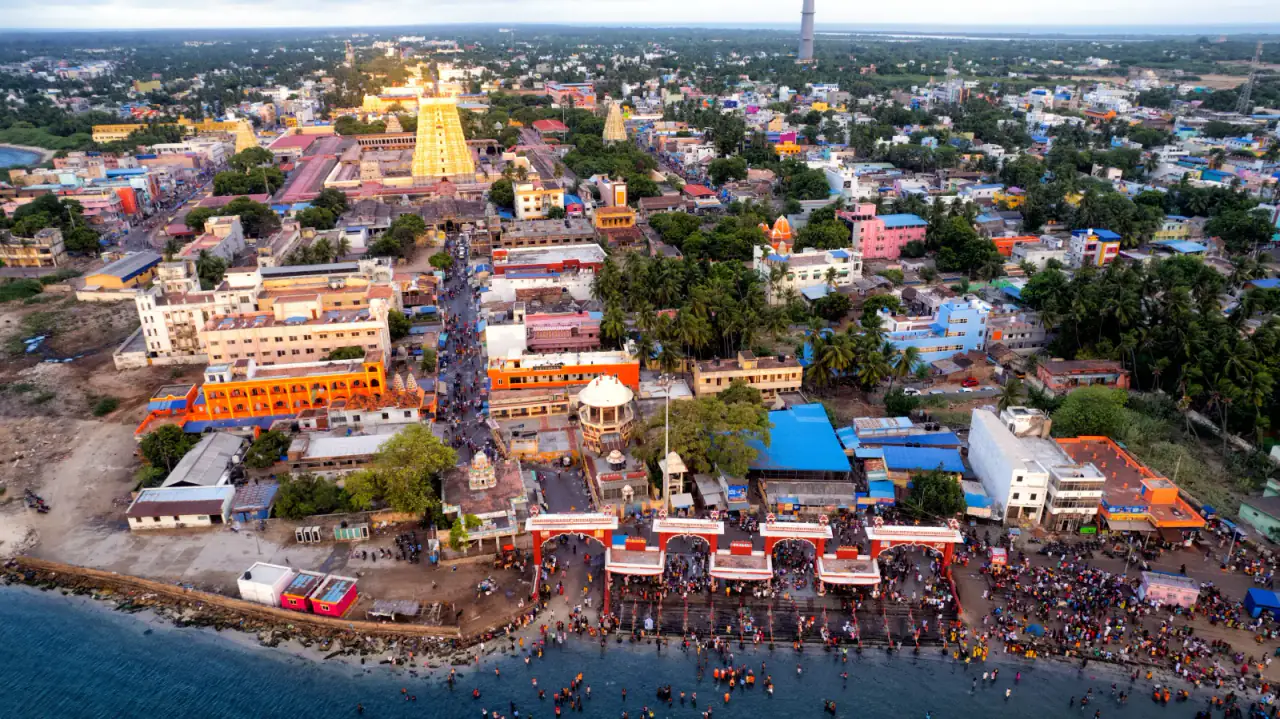
For the complete Setu–Ganga form of the Kashi–Rameshwaram Yatra described on this website, Rameshwaram comes first. The family opens the pilgrimage beside Setu, carries the designated sacred sand north, undertakes the northern tirthas included in its sankalpa, and returns with Ganga water for the concluding worship at Ramanathaswamy Temple.
The name “Kashi–Rameshwaram Yatra” places Kashi first in speech, but the name does not decide the route. A family may also have an inherited instruction from its kula-purohita, or family priest, or from its sampradaya, its living tradition. Such guidance takes precedence. In the southern-opening form arranged for many families, the journey begins at Setu, turns through the northern tirthas and returns to Rameshwaram for completion.
The complete circuit at a glance
The sacred anchors and the hotel order are not exactly the same. The complete form opens at Rameshwaram, includes the advised northern tirthas and returns to Rameshwaram. Within the north, Kashi commonly serves as the base for road journeys to Prayagraj and Gaya, and the order of Kashi darshan, Sangam observances and Gaya rites can be arranged around the family's sankalpa, tithi, travel and rest. In this form, the designated Setu offering reaches the Sangam before the sacred water begins its journey south.
The sand marks the northward half of the pilgrimage; the Ganga water marks the return. For a family choosing this returning form, the final Rameshwaram visit is not a sightseeing repeat of the first day. It is where the outward journey is gathered into its concluding act of worship.
- 01
Rameshwaram
Sankalpa, opening worship and designated Setu sand.
- 02
Kashi
Kashi becomes the northern base for Ganga snan, Vishwanath darshan and the family's arranged observances.
- 03
Prayagraj
The designated Setu offering reaches the Sangam and sacred water is received for the southern return.
- 04
Gaya
Ancestral rites are performed when they belong to the sankalpa.
- 05
Rameshwaram
Ganga water returns for the concluding abhishekam or worship.
Why families undertake this yatra
There is no single compulsory reason shared by every pilgrim. Some families come for the darshan of Shiva across Rameshwaram and Kashi. Some fulfil a vow handed down by an elder. Some wish to remember their ancestors with gratitude. Others undertake the journey after a major change in life, for spiritual renewal, or after a pandit has advised prayaschitta, an act of atonement and correction. A family may hold more than one of these purposes at the same time.
The Vedic tradition gives this pilgrimage its inner language: reverence for sacred waters, prayerful resolve and remembrance of the pitrus, the ancestors through whom a family continues. The Puranic traditions illuminate Setu and Rameshvara, the sacred field of Kashi, the confluence at Prayaga and the ancestral sanctuary of Gaya. The circuit brings those meanings into one lived journey without claiming that every family must perform every rite.
At Rameshwaram, the opening begins with a sankalpa: a prayerful statement of who is undertaking the yatra and why. Depending on the family’s tradition and health, the agreed sequence may include a bath at Agni Theertham, the temple theerthams, darshan and selected rites. The officiating pandit confirms what belongs in that sequence.
The Skanda Purana's Setu Mahatmya honours the sacredness of Setu and its relationship with sacred water and worship. The carrying of designated Setu sand north and returning Ganga water south is followed as a living pilgrimage practice in the complete form explained here. The sand is not taken as a souvenir: the appropriate place, quantity, vessel and handling are decided under ritual guidance.
Why these four sacred places matter
A tirtha is a sacred crossing place: somewhere a pilgrim approaches the divine with greater attention. Rameshwaram, Prayagraj, Kashi and Gaya do not form a list in which one is superior to the others. Each contributes something the full circuit needs—resolve, confluence, darshan, ancestral gratitude and return.
Rameshwaram · Jyotirlinga, Setu and completion
The Shiva Purana's Kotirudra Samhita includes Rameshwaram in the twelve-Jyotirlinga tradition, while the Skanda Purana's Setu Mahatmya praises the sacred landscape of Setu. Pan-Indian pilgrimage tradition also counts Rameshwaram among the four Char Dham. Here Sri Rama's devotion to Shiva is remembered, the sankalpa is opened, designated sand begins its northward journey, and Ganga water is offered on the return where that practice belongs to the family.
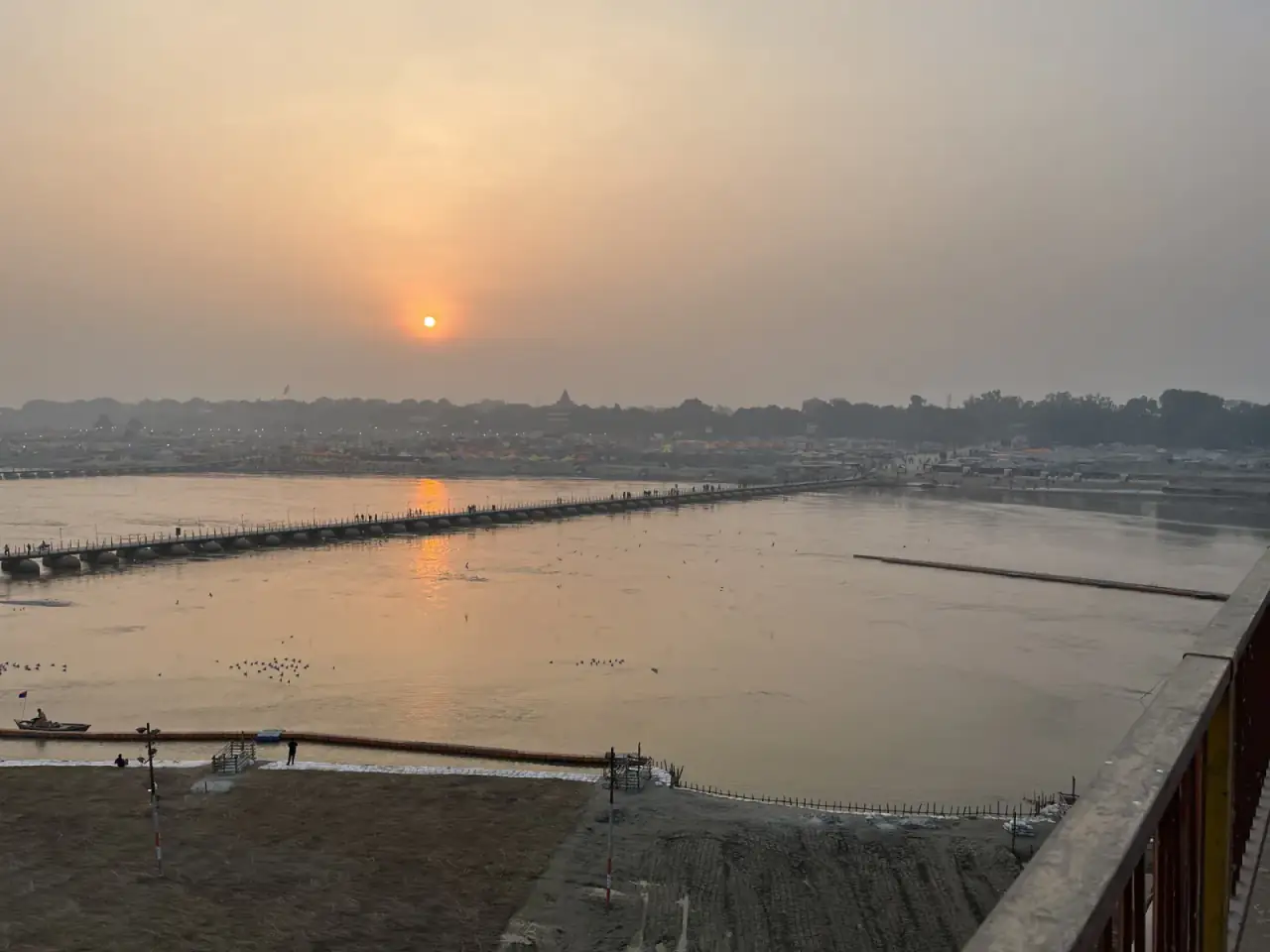
Prayagraj · Tirtharaja and the turning point
The Matsya Purana’s Prayaga Mahatmya honours Prayaga as Tirtharaja, the foremost among tirthas. At the Triveni Sangam, the Ganga and Yamuna meet the revered unseen Saraswati. For this circuit, the guided sand offering and collection of Ganga water make Prayagraj the hinge between going north and returning south.
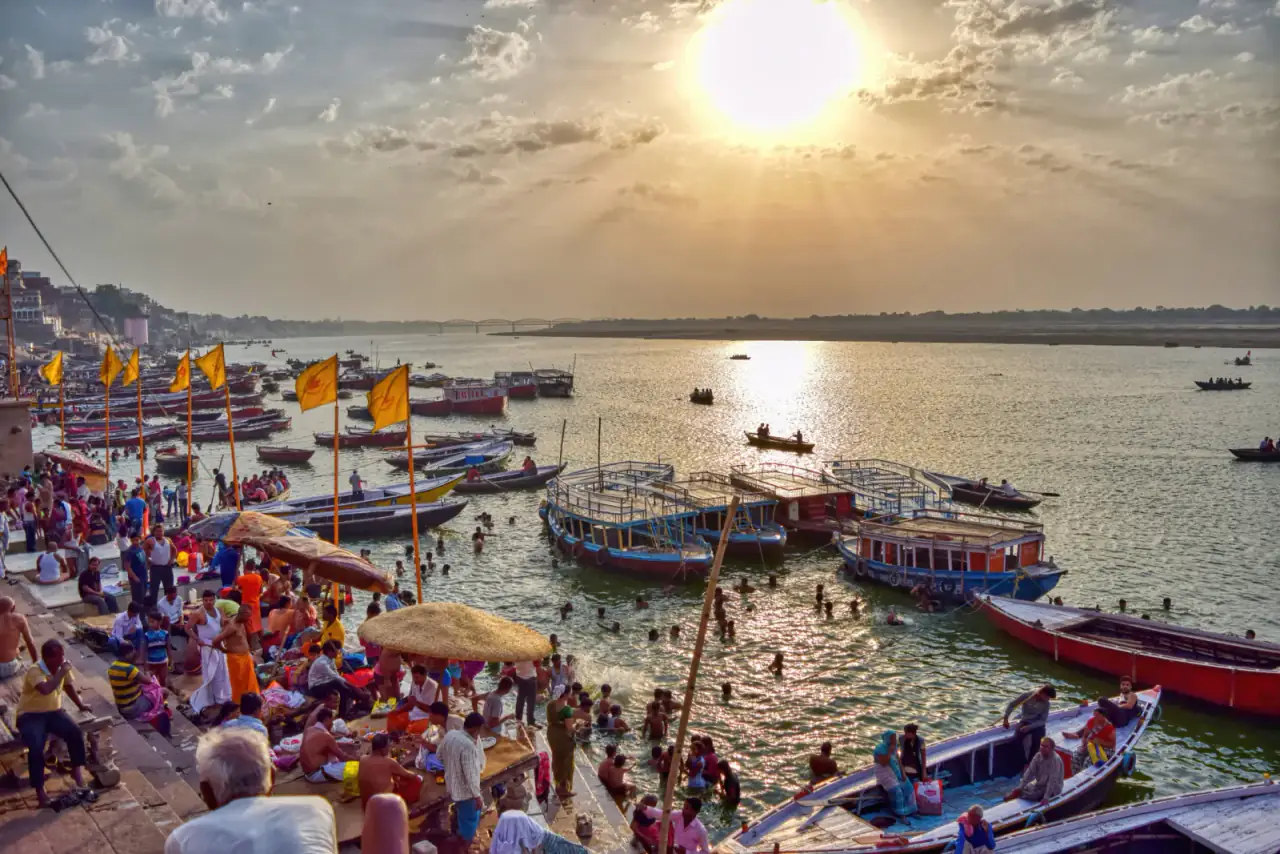
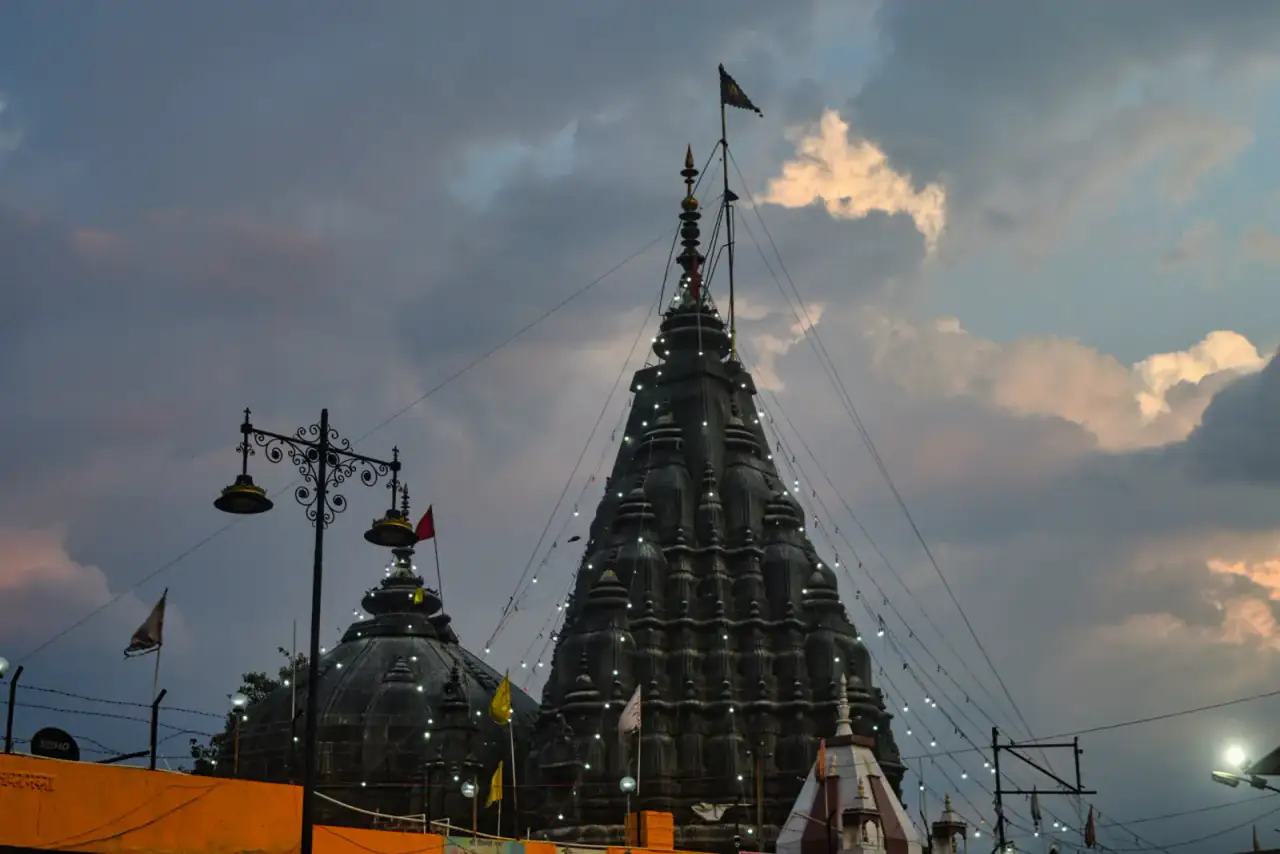
Kashi · Avimukta, Vishwanath and darshan
The Skanda Purana’s Kashi Khanda celebrates Kashi as Avimukta, the city never forsaken by Shiva, and as a vast sacred field of light. Kashi Vishwanath stands at the heart of the living Jyotirlinga tradition. A family’s time here may include Ganga snan, Vishwanath darshan and, where arranged, rites connected with its sankalpa.
Gaya · The principal Pitru Kshetra
The Vayu Purana’s Gaya Mahatmya preserves Gaya as a great Pitru Kshetra, or sacred field for the ancestors. Vishnupad, the Phalgu and Akshayavat shape its ritual geography. Families whose sankalpa includes ancestral rites come here for carefully guided Pind Daan and related offerings.
Ancestral rites in plain language
Pitru means ancestor. Pind Daan is an offering made for departed ancestors, while Shraddha refers more broadly to rites performed with faith and remembrance. These are serious family acts, not sightseeing activities, but they are also not identical for every pilgrim. A person may travel for darshan and blessing without undertaking ancestral rites that are not part of the family’s sankalpa.
When Pind Daan or another ancestral rite is intended, the pandit first understands who wishes to perform it, for whom it is being offered and what has already been done. The appropriate locations, number of offerings and form may vary with family tradition, circumstances and the purpose of the present journey. Ask the pandit who should lead the rite and how other family members may participate.
If a rite was previously completed at Gaya, Kashi, Prayagraj or Rameshwaram, do not decide on your own that it must be repeated—or that it can never be repeated. Note the place, approximate year, person remembered and any instruction received. The officiating pandit can then distinguish between remembrance, completion of an earlier sankalpa and a genuinely new family purpose.
When ancestral rites are part of the yatra
Keep the family information ready for a private pandit conversation and follow the sequence confirmed for that sankalpa.
When the journey is for darshan
Say so clearly. The route can be shaped around worship and sacred places without presenting Pind Daan as compulsory.
When the family history is incomplete
Share only what is honestly known. Approximate dates and earlier locations are more useful than guessed ritual names.
How the sand and water complete the circle
The sand-and-water exchange is the clearest way to understand why this is a circular pilgrimage. The outward object and the returning object are different, yet both belong to one sankalpa. The family does not need to master the procedure beforehand, but it should know what is being carried, why it matters and where the yatra is considered complete.
The exact collection point should not be chosen casually from a beach. The officiating tradition decides the suitable place and ritual method. Before travel, the family should also confirm the quantity, container, sealing and transport handling with the pandit and coordinator. Local procedures and airline rules can affect the practical arrangement.
Completion means returning to Ramanathaswamy Temple and offering the Ganga water through the abhishekam, the ritual bathing of the deity, or other concluding worship confirmed for that family. The form may differ according to temple procedure and sankalpa, but a northward visit that simply ends after Kashi or Gaya has not completed this returning form of the circuit.
At Rameshwaram · The resolve takes form
The family opens the sankalpa and receives guidance for the designated Setu sand.
At Prayagraj · The direction turns
The sand is offered at the Sangam and Ganga water is collected for the return.
Through Kashi and Gaya · The water is protected
It remains securely stored while darshan and the family’s selected rites are completed.
Back at Rameshwaram · The sankalpa closes
The Ganga water is offered through the arranged concluding worship.
Pace, physical demands and the practical route
The circuit involves more than temple queues. It normally includes road travel between Madurai and Rameshwaram, flights between south and north, early ritual starts, wet temple floors, ghat steps, Sangam boat boarding and long transfers between Kashi, Prayagraj and Gaya. A comfortable plan makes room for these realities rather than measuring success only by the number of places covered.
The current 8-night/9-day journey is the more compact shape. The 9-night/10-day journey gives additional breathing space and is often the better starting point for elders, children or anyone who tires easily. Either route can be customised around the family’s dates, tithi, an important lunar date, and the ritual sequence confirmed by the pandit.
Your proposal may bring together accommodation with breakfast, a private air-conditioned vehicle for the listed road journeys, priest coordination, worship materials, arranged rites, a Sangam boat and boarding assistance, local guidance and coordinator support. Airfare, most meals, offerings (dakshina), personal and medical expenses, insurance, optional visits, outside entry charges and taxes remain separate unless your written proposal includes them.
For elders and reduced mobility
Request lift-access rooms, fewer hotel changes, rest after flights, close vehicle access where permitted and assistance for boat boarding. Temple or ghat access cannot always be made step-free, so limitations should be discussed before booking.
For medicines and comfort
Carry regular medicines in hand luggage, a dry change after baths, light layers, easy footwear for approaches and only a small bag on ritual mornings.
For a clear quotation
Price changes with season, flights, hotel category, room choice, number of travellers, rites and customisation. Ask for a detailed proposal prepared for your family’s actual dates and choices.
For additions to the route
Madurai, Ayodhya, Chennai connections, extra temple time or additional rest can be considered. The final travel plan should support—not disturb—the family’s confirmed ritual order.
What to prepare before you enquire
The first enquiry should remain simple. Share the travel month or possible dates, departure city, number of travellers, approximate ages, preferred pace and whether the journey is mainly for darshan, ancestral rites or both. This is enough to discuss the route and prepare the next questions. Sensitive ancestor details do not belong in the first public form.
For the later private conversation with the officiating pandit, prepare a short written family note. It need not use perfect Sanskrit. Clear names, relationships and remembered facts are more valuable than uncertain ritual terminology. You do not need to resolve every ritual question before enquiring; the purpose of the conversation is to confirm them carefully.
Likely ritual performer
Note who expects to sit for the rite and their relationship to the departed. The pandit will confirm the appropriate role rather than relying on a general internet rule.
Family lineage and tradition
Keep the gotra, or ancestral lineage, and sampradaya ready if known, along with instructions received from a family priest or elder.
Ancestors being remembered
For private discussion, prepare names and relationships, together with the tithi or date of death if known. Do not guess information the family does not have.
Earlier rites and journeys
Record the place, approximate year, performer and purpose of any earlier Kashi, Gaya, Prayagraj or Rameshwaram rite. Bring old notes or priest records if they exist.
Health and travel needs
Share walking limits, food needs, medicines, room preferences, assistance requirements and the amount of rest the family needs between ritual days.